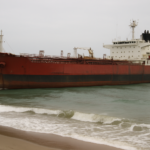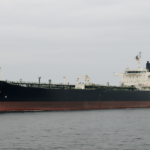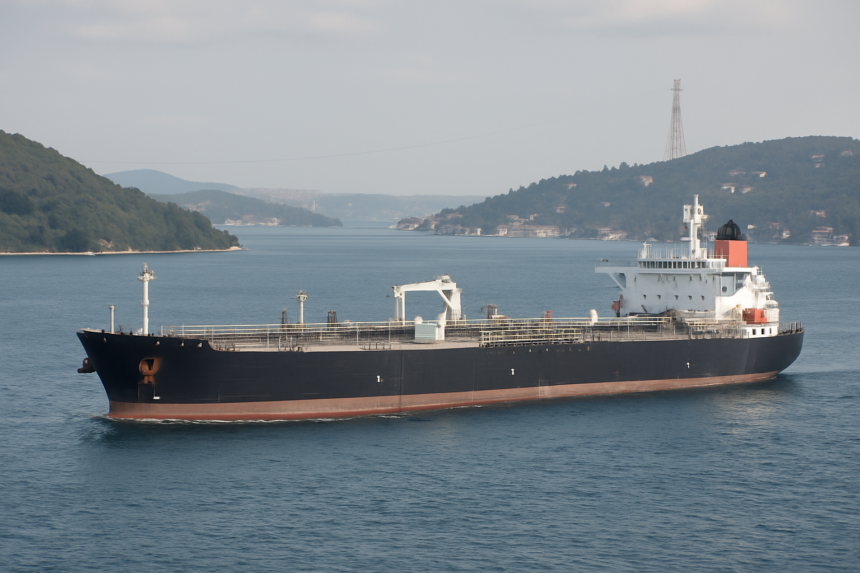
Japan’s crude oil supply from the Middle East is poised for recovery, as two Japanese-owned supertankers exited the Strait of Hormuz on Tuesday, shipping data indicates. This movement of vessels contributes to a larger trend, with a total of approximately 16 million barrels of crude oil now departing the strategic chokepoint this week.
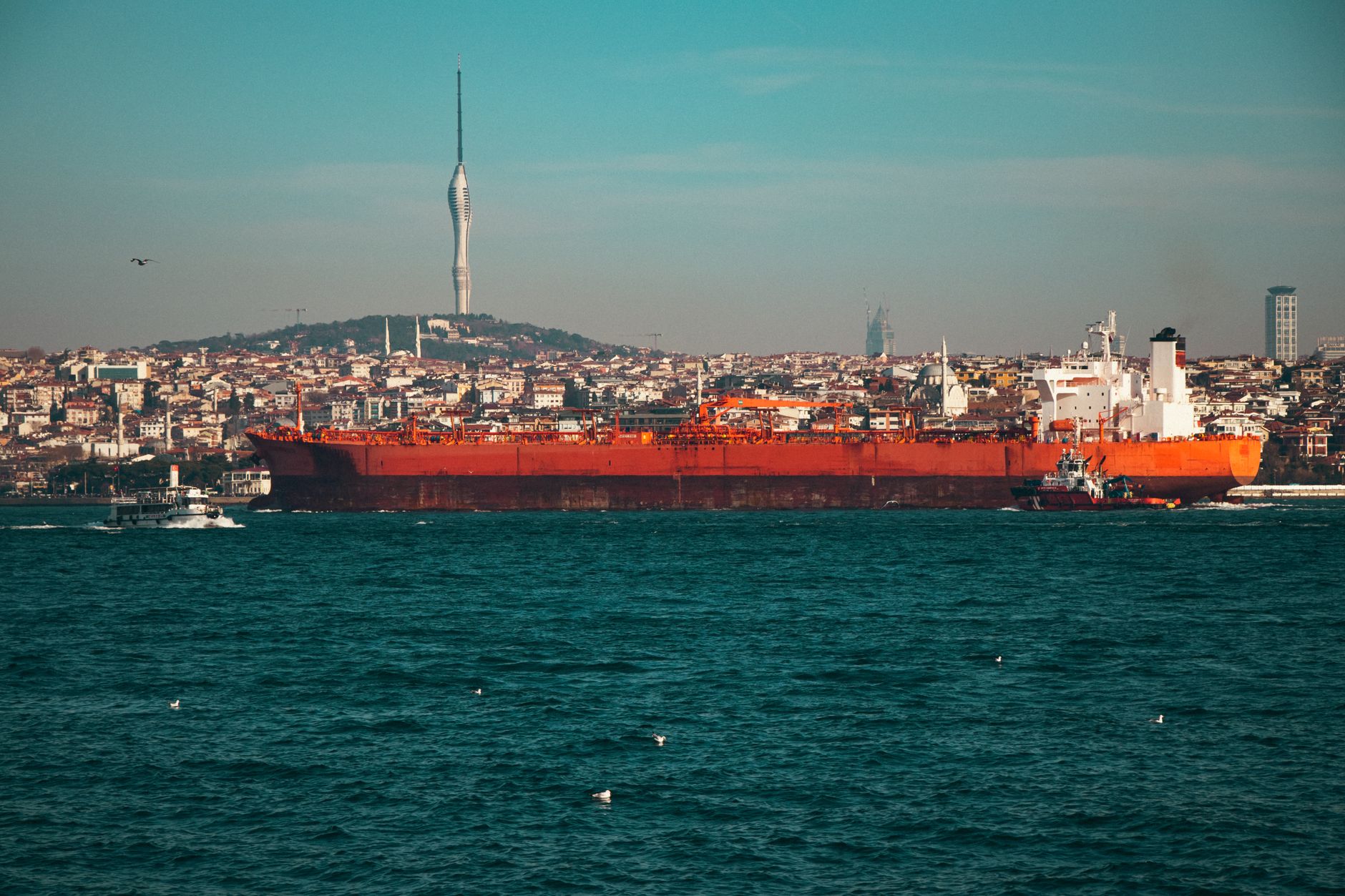
Tanker Movements
Shipping data reveal that one of the supertankers is owned and managed by Nippon Yusen KK, while the other is affiliated with Kawasaki Kisen Kaisha. Each vessel had loaded 2 million barrels of Saudi crude on March 1. This exit follows the departure of another group of tankers just a day earlier, ultimately reducing the backlog of oil supplies previously stranded in the Gulf.
Market Implications
A spokesperson for the Japanese Shipowners’ Association reported a significant decline in the number of Japanese-related vessels still in the Gulf, which fell from 45 to 26 since the onset of the conflict in February. On Monday, a total of six very large crude carriers (VLCCs) loaded with 12 million barrels of Middle Eastern crude departed, alongside various other vessels linked to Japan.

In addition to these movements, five VLCCs from Saudi Arabia are tentatively signaling for Japan as the Kingdom resumes loadings at its largest Gulf port, Ras Tanura. Prior to the conflict, Japan had depended on the Middle East for approximately 94% of its crude oil supply, but imports dropped sharply in April, hitting their lowest levels in over 60 years as supplies from the region tumbled by 68% year-on-year.
Behind the Headline
The exit of these tankers from the Strait of Hormuz reflects a critical moment for Japanese energy security. With a heavy reliance on crude oil from the Middle East, operators must remain vigilant regarding geopolitical developments that could further disrupt oil supply chains. As Japan works to stabilize its crude imports, the impact on global shipping patterns and pricing is likely to continue evolving. The forthcoming shipments from Saudi Arabia will be crucial in determining the balance of supply and demand in the Asian energy market, particularly as tensions in the region persist.