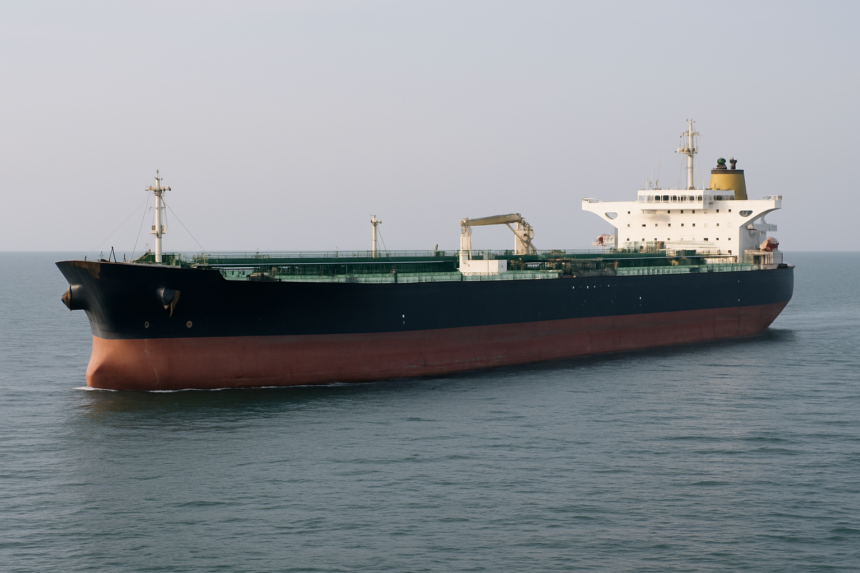
Sinokor Group has rapidly expanded its operations in the tanker market, becoming a pivotal player in the transport of Emirati crude amid ongoing tensions in the Strait of Hormuz. As the UAE government seeks to restore oil export levels, the Sinokor fleet has emerged as a vital asset for shuttle runs that circumvent traditional shipping protocols.

The Tactical Shift
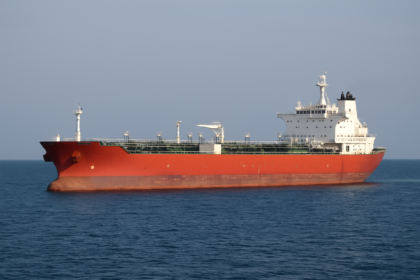
Following the onset of conflict, the UAE adopted unconventional tactics to transport oil. Utilizing a network of supertankers, many of which are chartered from Sinokor Group, the Emirati authorities undertook operations referred to as ‘dark’ transits, where vessels operated without transponders. This approach allowed tankers to navigate the strait under the cover of darkness, offloading crude into waiting vessels outside the waterway.
By leveraging these methods, the UAE was able to maintain significant flow rates of crude oil, nearing pre-war levels even at the peak of conflict. Sinokor’s aggressive leasing strategy allowed Abu Dhabi National Oil Company (Adnoc) to effectively scale its export operations by mid-April, increasing its reliance on Sinokor-controlled vessels.


Market Dynamics
The tanker market is experiencing unprecedented rates of profitability as geopolitical tensions drive up shipping costs. Reports suggest that some tankers engaged in shuttle runs could command rates three to four times higher than pre-war levels. Shipbrokers estimated that just a trio of operational supertankers during this period could yield profits between $60 million to $120 million for Sinokor, underscoring the lucrative nature of these contracts.
As tensions eased following an interim agreement between the U.S. and Iran, there has been a noticeable shift back to more conventional shipping practices, with tankers now operating with transponders. However, the groundwork laid by Sinokor has positioned it as a substantive force in the regional tanker market, alongside its new co-owner, MSC Group.
The Operational Read
The operational landscape for tanker operators has shifted dramatically with the emergence of intensified competition and strategic leasing agreements. The reliance on Sinokor Group’s fleet highlights a multifaceted approach to crude transport in volatile regions. As geopolitical tensions continue to influence market conditions, operators must remain agile, adapting to changing regulatory environments and navigating the complexities of fluctuating oil demands. Future developments in the region will likely dictate shipping patterns, necessitating a continual evaluation of risk and operational efficiency for all stakeholders involved.