Saudi Aramco has resumed oil loadings from Ras Tanura, marking a significant development in the global oil market. After nearly four months of suspension, the world’s largest oil exporter began exporting crude once again, capitalizing on the swift recovery of demand in Asia.

The Resumption of Exports
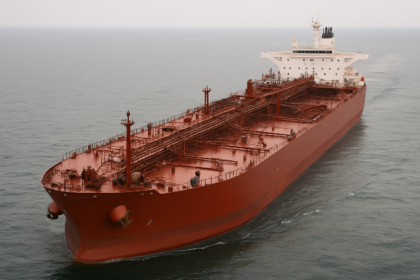
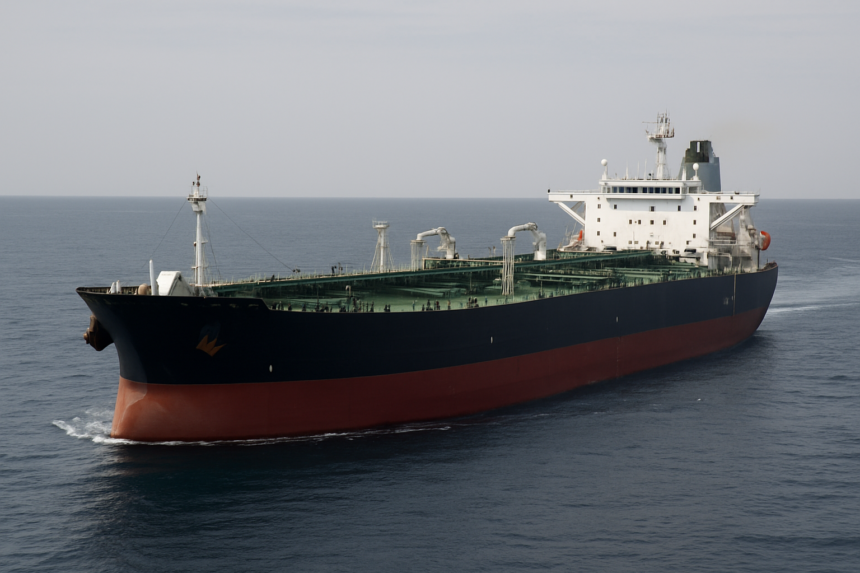
On July 2, five very large crude carriers (VLCCs) departed from the Strait of Hormuz, transporting a collective total of 10 million barrels of oil. This renewed shipping activity comes as Saudi Aramco shifts its pricing strategy to spot sales, aiming to compete effectively in a saturated market. This decision is critical as other Middle Eastern producers have started offering discounts on their cargoes in response to the recent U.S.-Iran peace discussions.
Market Dynamics
With Brent crude’s price declining to approximately $70 per barrel from nearly $120 in March, Saudi Aramco is now keen to stimulate demand through competitive pricing. The company typically conducts sales through long-term contracts at official selling prices (OSPs). However, for July, its OSPs are reported at premiums of $6 to $10 per barrel, indicating an attempt to capture immediate market share despite the high cost factors.


Specifically, two VLCCs are set for delivery to Japan, while two others are en route to China, with the Quanzhou refinery receiving 2 million barrels and another 2 million barrels headed to Shenghong Petrochemical in Lianyungang. Furthermore, several vessels remain docked at Ras Tanura, highlighting the port’s pivotal role in oil exports.
Future Implications
As Saudi Aramco seeks to reclaim its position in the Asian market through spot sales, traders anticipate potential cuts to OSPs for August deliveries. This strategic response underscores the pressure on Aramco to remain competitive amidst fluctuating global dynamics and the shifting preferences of refiners, many of whom have secured sufficient supplies into August.
The Operational Read
The operational realities for operators and charterers involved in crude oil transport suggest a growing emphasis on flexibility in pricing strategies amidst geopolitical tensions and demand fluctuations. The rapid transition by Saudi Aramco toward spot pricing signifies an adaptive approach in an evolving market landscape, compelling other producers to reconsider their pricing structures. As Aramco ramps up exports, attention will likely shift to how these developments will influence long-term contracts and pricing benchmarks within the industry.