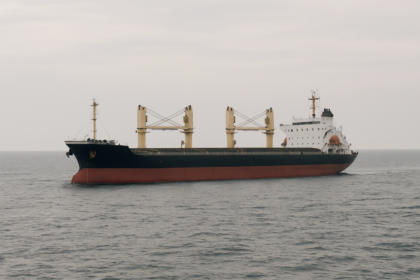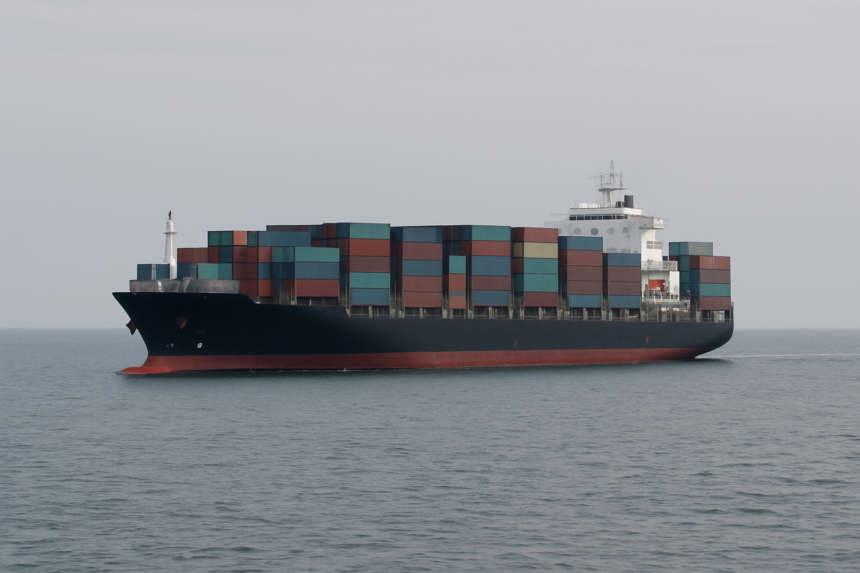
The Strait of Hormuz is currently facing operational challenges characterized by heightened tensions and restricted commercial activity. Although technically open, vessel transits have fallen dramatically to an average of approximately 13 daily, which is around 90% below pre-war levels. This situation follows two significant kinetic incidents within a short time frame, raising concerns about the safety and viability of maritime activities in the region.
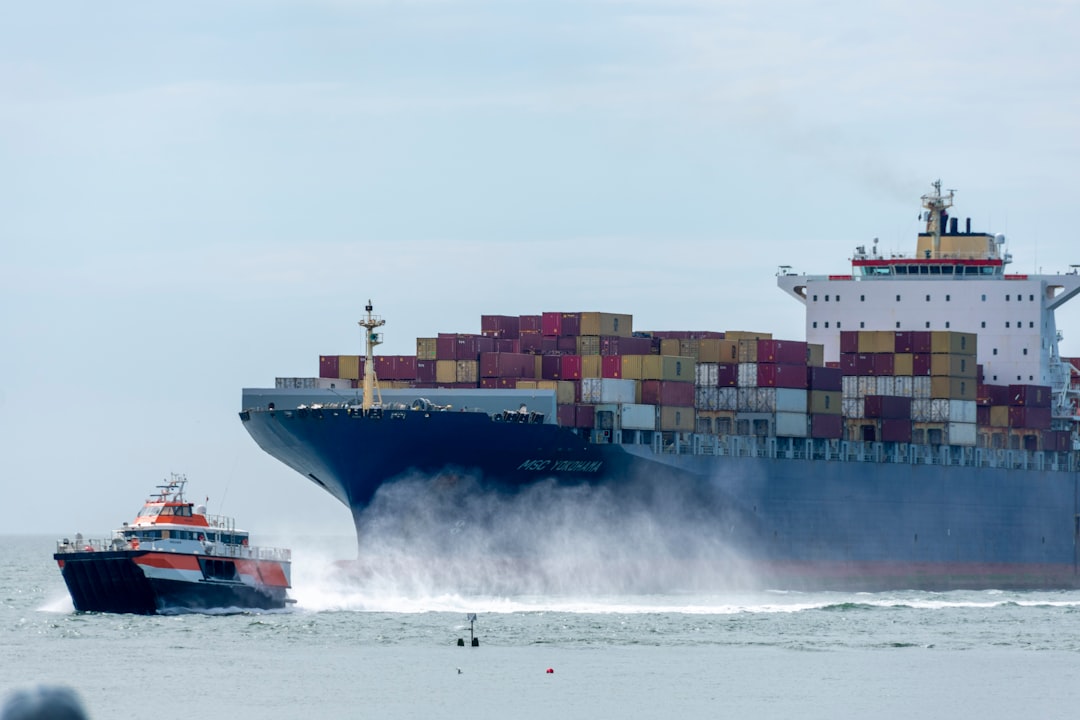
The Recent Incidents
On June 25, the Singapore-flagged cargo vessel EVER LOVELY (IMO 9629110) was struck by a projectile approximately 7.5 nautical miles southeast of Dahit, Oman. This attack resulted in damage to the ship’s bridge but did not lead to casualties or environmental fallout. In reaction to this incident, the International Maritime Organization (IMO) suspended its vessel evacuation plan, reflecting operators’ heightened sensitivities.
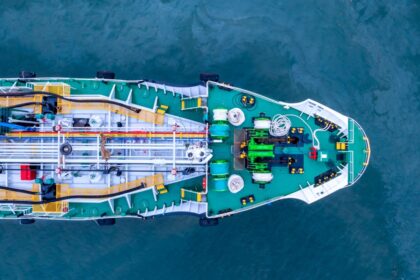
Shortly after, on June 27, a drone attack targeted the Panama-flagged Very Large Crude Carrier KIKU (IMO 9329796) about nine nautical miles north of Khasab, Oman. Although the UAV struck the vessel’s starboard bridge, resulting in minor damage, it remained seaworthy and continued its passage laden with Qatari crude. The attack on a commercially neutral vessel carrying legitimate cargo marks an alarming escalation in targeting parameters, indicating a shift in operational risk dynamics.


Current Operational Environment
The operational environment in the Strait of Hormuz is now marked by competing pressures, with Iranian enforcement intensifying on one side and active U.S. military oversight maintaining a corridor on the other. Following recent incidents, ships have increasingly concentrated along the northern and southern coastal edges, reflecting a strategic withdrawal from the central lane that remains within the crosshairs of hostile activities.
The U.S.-assisted southern corridor, implemented under Project Freedom, continues to support maritime operations. On June 29, a Saudi-flagged tanker was successfully transiting this corridor under active U.S. air cover, showcasing the importance of military collaboration in maintaining some level of operational continuity. However, the UAV attack on the KIKU, which emerged from a previous period of broadcast silence, highlights the potential vulnerabilities inherent in navigating this strategically vital waterway.
In addition, the Iranian Revolutionary Guard Corps has reportedly intensified restrictions, warning against routing outside Iranian-designated lanes. This enforcement stance poses significant risks for commercial vessels, particularly those attempting to utilize less secure passageways in this highly monitored region.
The Operational Read
The ongoing situation in the Strait of Hormuz underscores a critical operational reality for shipping operators: the gap between the corridor’s technical openness and functional commercial throughput continues to widen. The combination of heightened Iranian enforcement and a complex U.S. military presence complicates navigation decisions for charterers and operators. The need for robust risk assessments is paramount, as vessels may encounter not only direct attacks but also increased scrutiny surrounding routing legitimacy. Moving forward, operators should remain vigilant and consider alternative routing or enhanced security measures to mitigate the growing risks within this essential global shipping corridor.