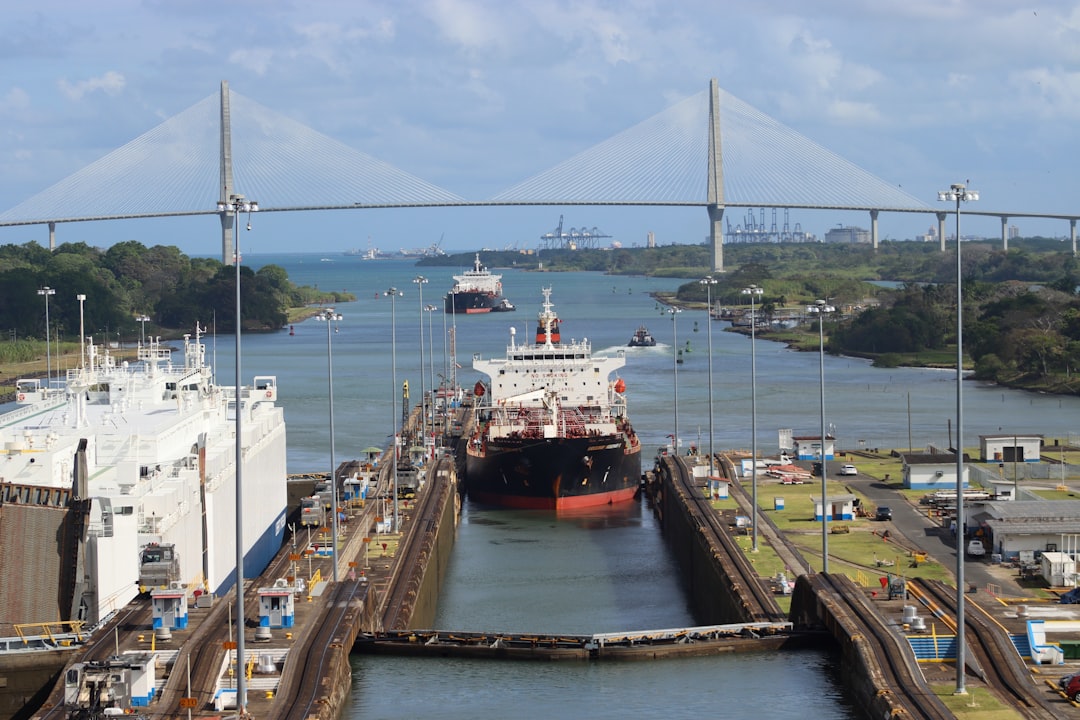
The Panama Canal is poised to exceed its fiscal year revenue forecast of $5.2 billion, driven by increased maritime traffic as disruptions in the Strait of Hormuz prompt a significant rerouting of vessels. Ilya Espino de Marotta, the incoming chief of the Panama Canal Authority, indicated that rising numbers of ships utilizing the canal are due to a shift towards U.S. suppliers of liquefied natural gas (LNG) and crude oil, particularly from buyers in Japan, China, and Korea.
Impact of the Hormuz Closure
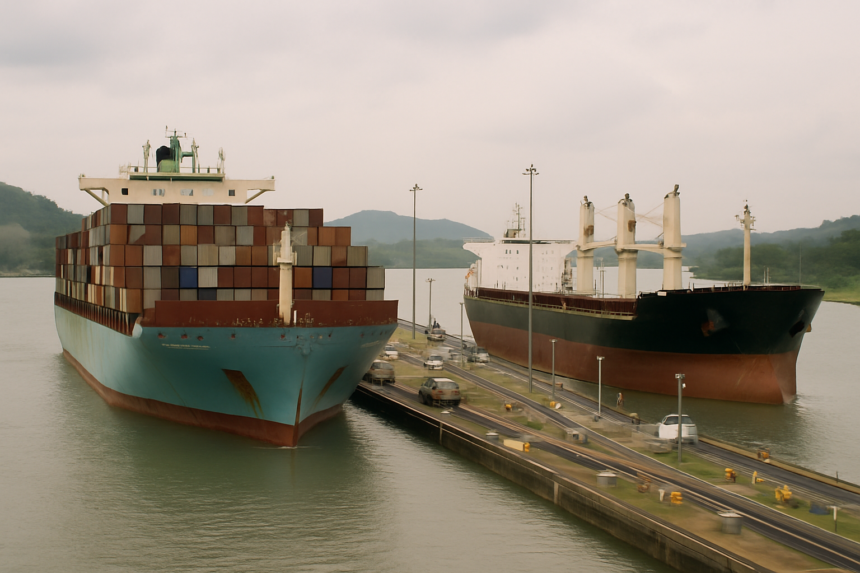
The closure of the Strait of Hormuz, a crucial artery for global energy transport, has resulted in heavy traffic through the canal, especially for LNG carriers and oil tankers. During peak periods of the closure, the canal reported handling between 40 to 41 vessels per day, above the regular level of 34 to 35 ships. This uptick is not a fleeting phenomenon; with a projected daily throughput of approximately 36 to 38 vessels, traffic remains elevated. Bookings for the coming months indicate sustained strong traffic, positioning the canal for higher revenue.
Financial Maneuvers and Future Projects
The shifting dynamics of global energy supply are reflected in recent transit premiums, with vessels reportedly paying up to $4 million for expedited passage through the canal as wait times for unbooked crossings grew. Espino de Marotta confirmed that the canal is facilitating an average of one LNG tanker daily as U.S. exports regain traction in Asian markets, further affirming the canal’s strategic importance as an alternative route following geopolitical tensions in the Middle East.

Looking ahead, the Panama Canal is in the midst of a strategic overhaul under Espino de Marotta’s leadership. Scheduled projects include the construction of a new dam and reservoir, two port developments, and an LPG pipeline. The total projected investment for these initiatives is around $8.5 billion, with construction anticipated to commence between late 2027 and early 2028.
The Operational Read
The Panama Canal’s rising traffic amidst geopolitical turmoil underscores its critical role in the global shipping landscape. With operators increasingly routing LNG and crude oil via the canal due to supply constraints in the Middle East, the operational dynamics are shifting. The premium payments for expedited transits highlight the urgency many companies feel to adapt to these conditions. Future infrastructure improvements are essential for maintaining efficiency and capacity as global energy trade patterns evolve. Watch for how the canal manages its increased traffic and the progress of planned developments, as they will significantly shape its operational capabilities and financial health in the coming years.