The International Maritime Organization (IMO) has temporarily suspended its coordinated evacuation of stranded vessels and seafarers in the Persian Gulf following an attack on a Singapore-flagged container ship. This development significantly disrupts efforts to safely evacuate thousands of seafarers in the conflict-affected region.
The Incident
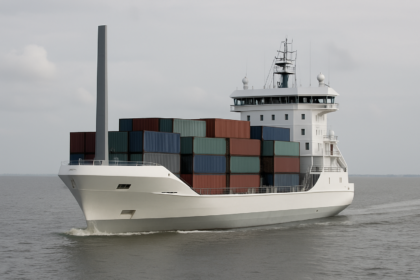
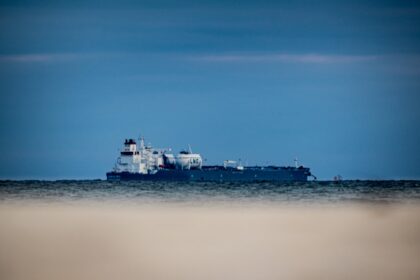
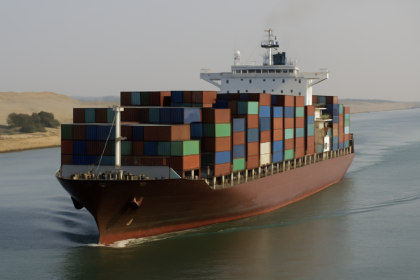
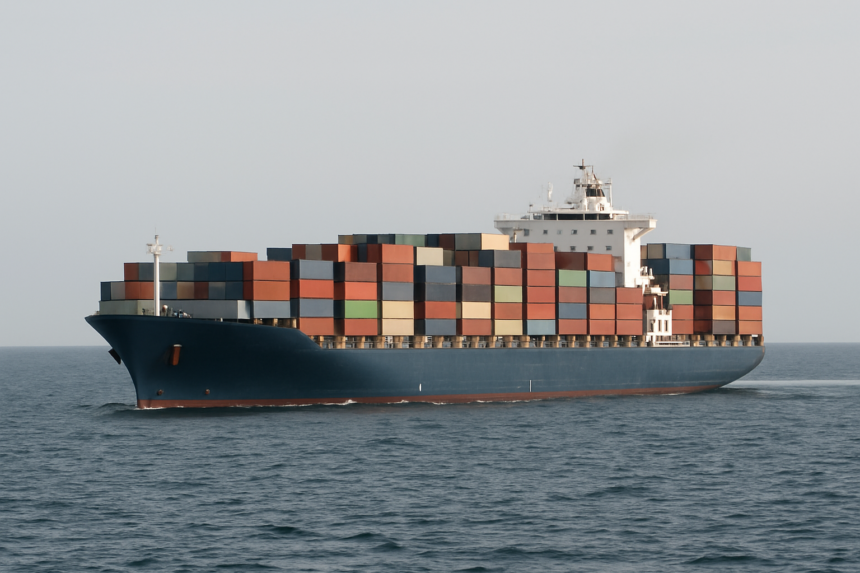
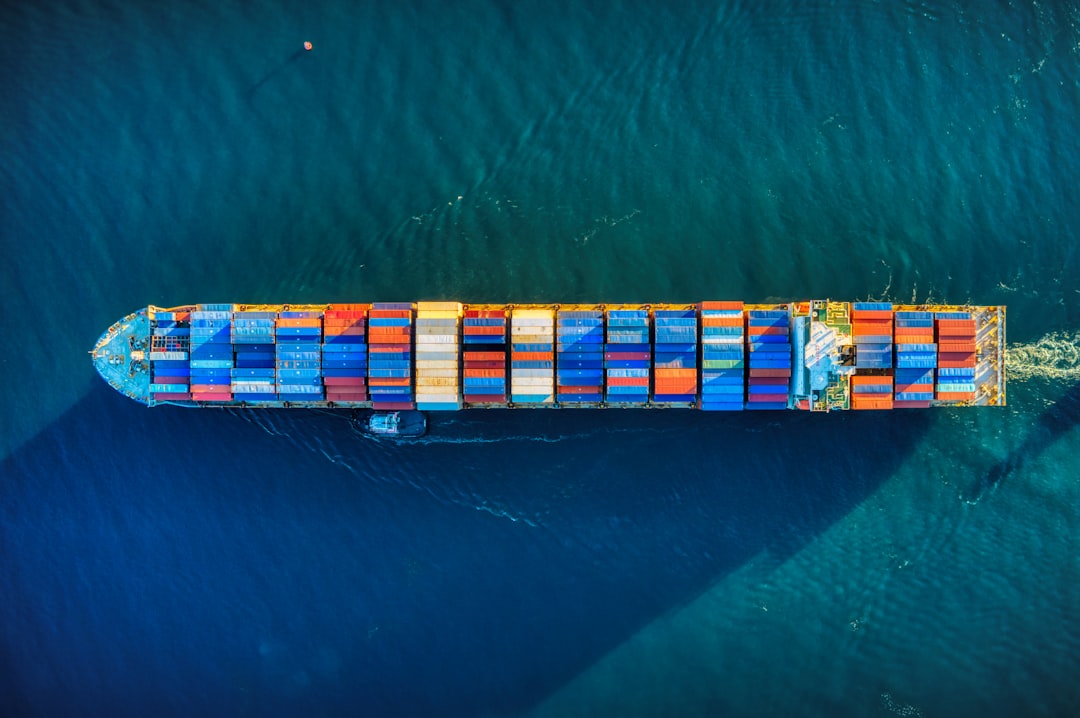
The decision to pause evacuation operations was made after the container ship was struck by an undisclosed projectile while transiting approximately 7.5 nautical miles southeast of Dahit, Oman. The attack resulted in damage to the vessel’s bridge; however, no casualties or environmental impacts were reported. IMO Secretary-General Arsenio Dominguez confirmed that the attacked vessel was not part of the IMO’s evacuation plan, emphasizing concerns about seafarer safety.
Market Impact
This attack comes just a day after the IMO initiated a phased movement plan aimed at evacuating hundreds of merchant vessels and more than 11,000 seafarers stranded due to escalating tensions in the region. The pause in operations has been communicated to the shipping industry via the UK Maritime Trade Operations (UKMTO), which indicated that no notifications regarding vessel inclusion in the IMO framework will be made while the situation remains uncertain. Shipping groups, including BIMCO, have voiced deep concern regarding the incident, stating it poses a setback to plans for resuming maritime traffic through the critical Strait of Hormuz.

Industry Response
Industry stakeholders are now urged to reassess their risk strategies in light of the recent attack. BIMCO’s Chief Safety & Security Officer, Jakob Larsen, noted the necessity for clearer agreements between the U.S. and Iran, stating that the current memorandum of understanding lacks the clarity needed to ensure maritime safety. Operators are advised to continuously monitor communications from the IMO, coastal state guidance, and security assessments to navigate the increased risks associated with transits in the area.
The Operational Read
The resumption of maritime operations through the Strait of Hormuz is now uncertain as the IMO’s evacuation plan faces significant delays. Shipping operators are advised to closely monitor developments and adjust their voyage planning accordingly to mitigate risks. With a substantial number of vessels and seafarers awaiting evacuation, the market will be affected by potential disruptions in logistics and increased insurance premiums. Companies must ensure compliance with the best management practices for maritime security to safeguard their interests amid escalating tensions in the region.