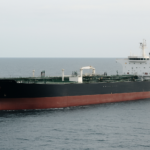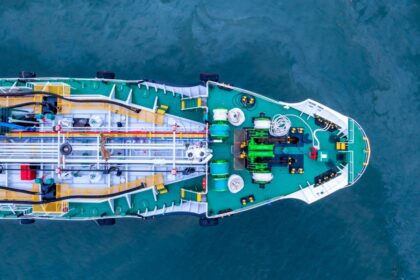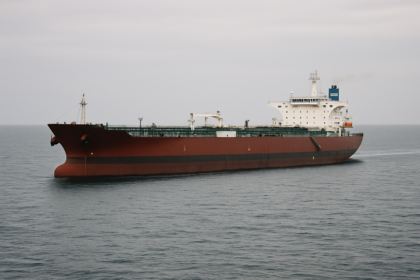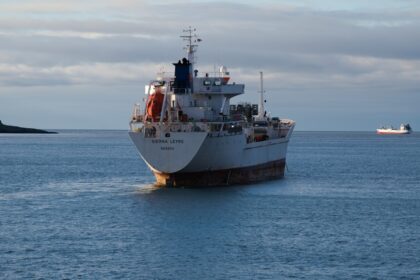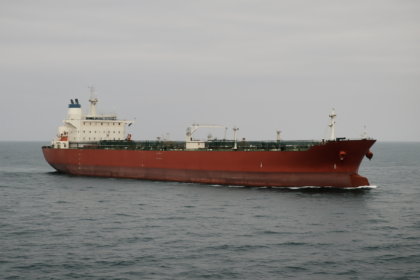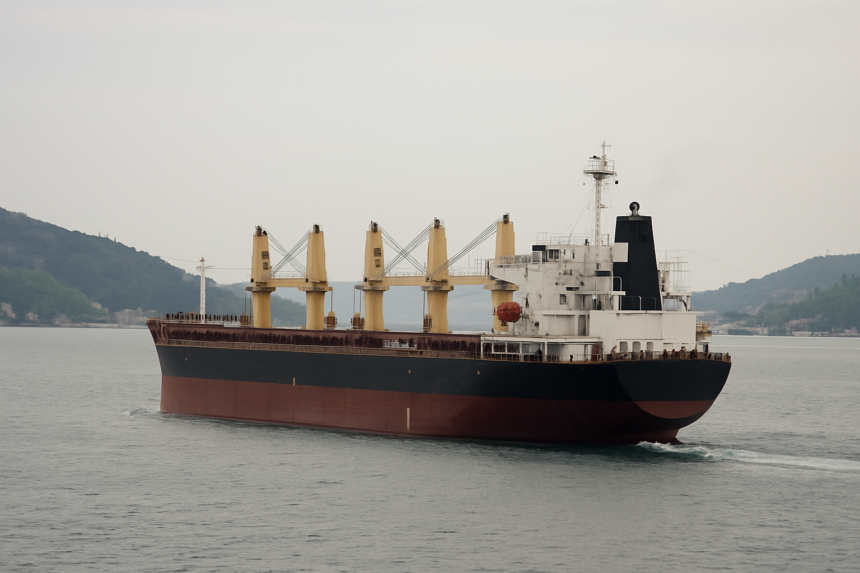
Vessel traffic through the Strait of Hormuz is experiencing a significant uptick, marking a noteworthy shift towards normal operations after a period of substantial disruption. According to maritime risk specialist Windward, recent data demonstrates a marked increase in vessel movements, reflecting a gradual recovery in this critical maritime corridor.
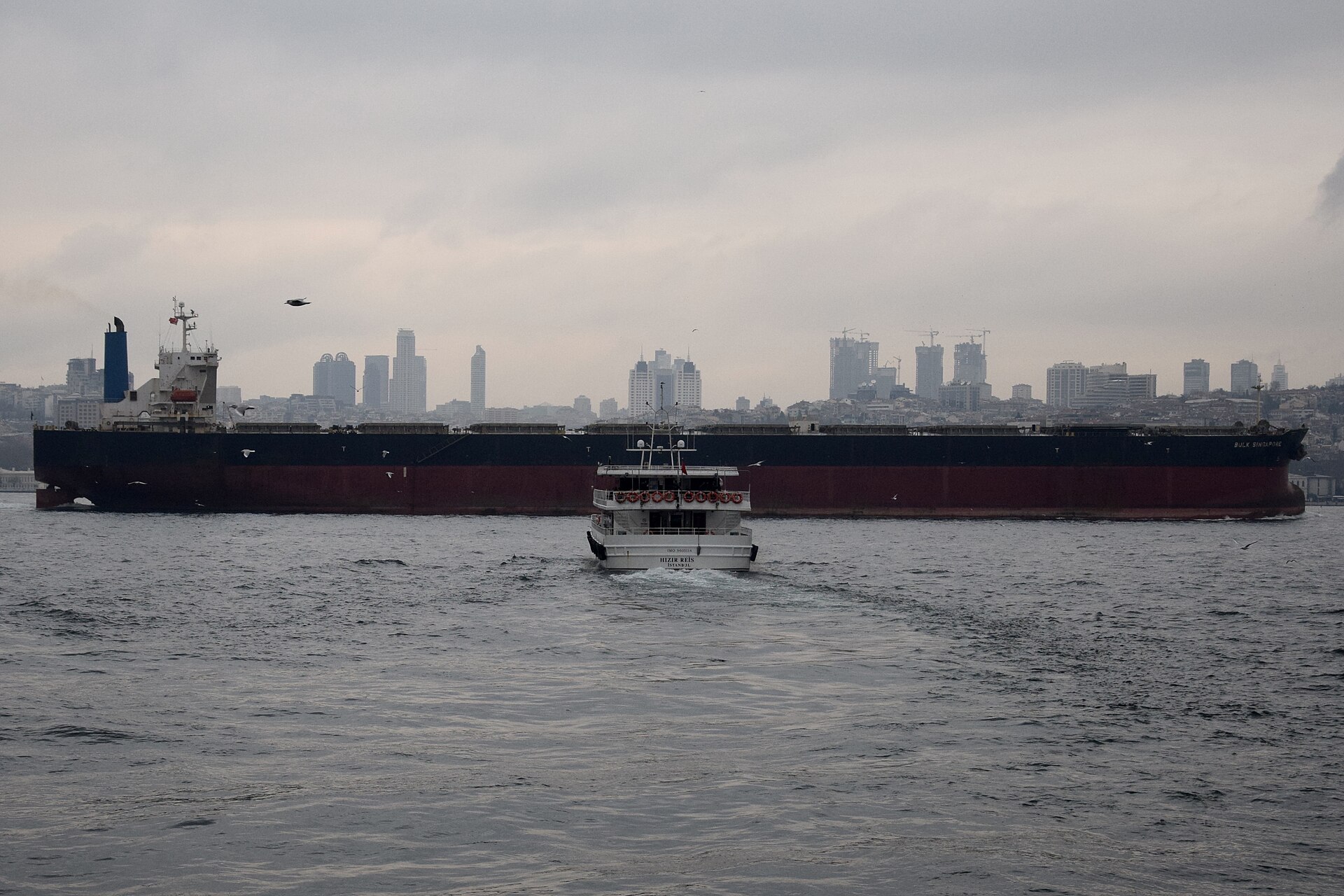
Current Traffic Trends
The resurgence in activity comes as commercial shipping attempts to navigate ongoing challenges that have affected operational reliability in the region. Despite the growing traffic, the Strait continues to face extraordinary operational restrictions that are reshaping navigational dynamics. The restrictions have led to delays and increased voyage planning complexity for operators.
Ongoing Challenges for Seafarers
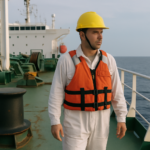
While traffic levels are improving, a significant number of seafarers remain stranded due to the disruptions. This situation not only complicates crew rotations but raises concerns over the welfare of those still waiting at sea. Shipping companies are urged to find solutions for crew changes amid these complicating factors.

Market Stability and Future Outlook
Market analysts are cautiously optimistic, noting that stabilization in vessel traffic could lead to further economic activity in the region. However, the lingering restrictions necessitate a careful approach to ensure the operational safety of vessels transiting the area.
Why It Matters
The normalization of vessel traffic through the Strait of Hormuz has profound implications for the maritime industry, given its role as a vital transit point for global commerce. The enduring restrictions highlight the operational risks that ship operators and seafarers face. The existing situation may prompt stakeholders to reassess risk management strategies and operational protocols. Companies will need to remain adaptable as they navigate this evolving environment, closely monitoring developments that could impact shipping lanes and crew welfare.