On Monday, the U.S. Treasury Department announced a temporary sanctions waiver authorizing the production, sale, and shipment of Iranian oil, marking a significant departure from the previous ‘maximum pressure’ campaign. This change is seen as a strategic pivot amid ongoing negotiations in Switzerland regarding Iran’s nuclear program.
Treasury Secretary Scott Bessent stated that Iran has committed to maintaining ‘free and open transit in the Strait of Hormuz’ and allowing inspectors from the International Atomic Energy Agency (IAEA) back into the country. The authorization, detailed under Iran General License X, encompasses a wide range of maritime services essential for oil production and export.
Scope of the Waiver
The issued waiver is exceptionally inclusive, permitting not only the export of crude oil and petroleum products but also activities necessary for these transactions such as vessel management, crewing, bunkering, pilotage, registration, and even insurance. Notably, it allows for U.S. dollar-denominated transactions related to authorized oil sales, which reverses a core component of U.S. strategy aimed at isolating Iran economically.

This waiver comes on the heels of an interim memorandum of understanding between Washington and Tehran, aimed at lifting a maritime blockade and expediting sanctions waivers for Iranian oil exports. The reversal in policy contrasts sharply with the stringent measures implemented during President Trump’s first term, which sought to minimize Iranian oil exports significantly.
Market Response and Implications
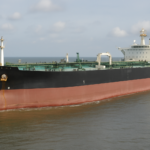
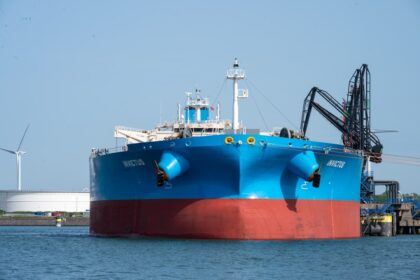
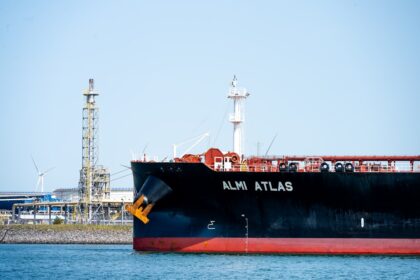
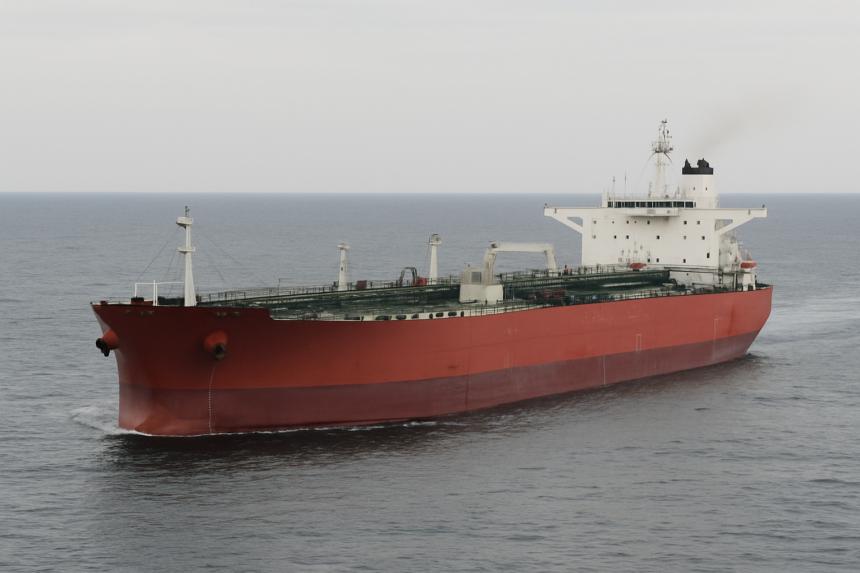
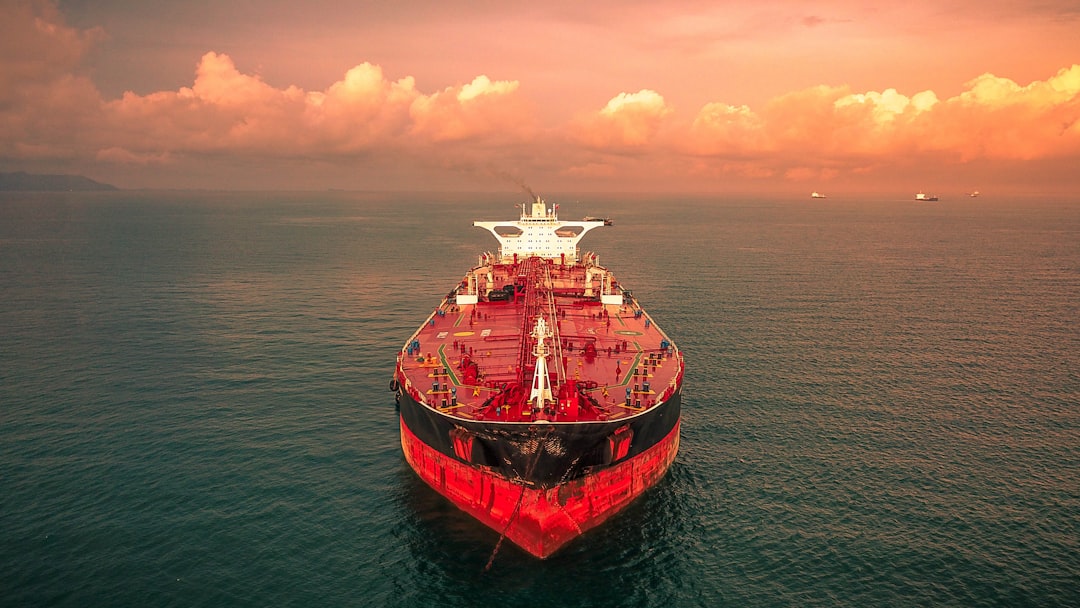
Since June 15, Iranian oil exports have surged, with estimates indicating the export of around 36 million barrels, complemented by substantial amounts still stored on maritime vessels. According to reports, three supertankers previously under U.S. sanctions are currently transporting Iranian crude from Kharg Island, suggesting substantial interest and demand in Asian markets.
Maritime operators are now faced with new operational dynamics as the policy shift could enhance shipping activities through the Strait of Hormuz, traditionally one of the world’s most critical chokepoints for oil transportation. Analysts will be closely monitoring how this move influences global oil supply chains and regional security.
The Operational Read
This waiver alters the operational landscape for maritime operators involved in Iranian oil transport. The breadth of services now permitted signals potential reintegration of Iranian oil into global markets, affecting supply routes and pricing structures. Shipping firms may need to recalibrate strategies to accommodate increased Iranian exports, while insurers and financial institutions must navigate compliance risks associated with the recent changes. As diplomatic efforts continue, the focus will be on how these waivers are leveraged in negotiations and their impact on overall maritime security in the Strait of Hormuz.