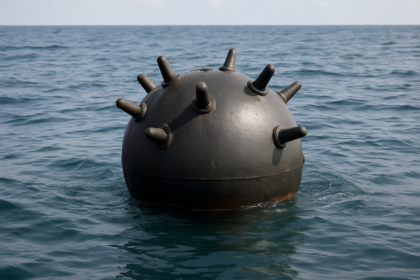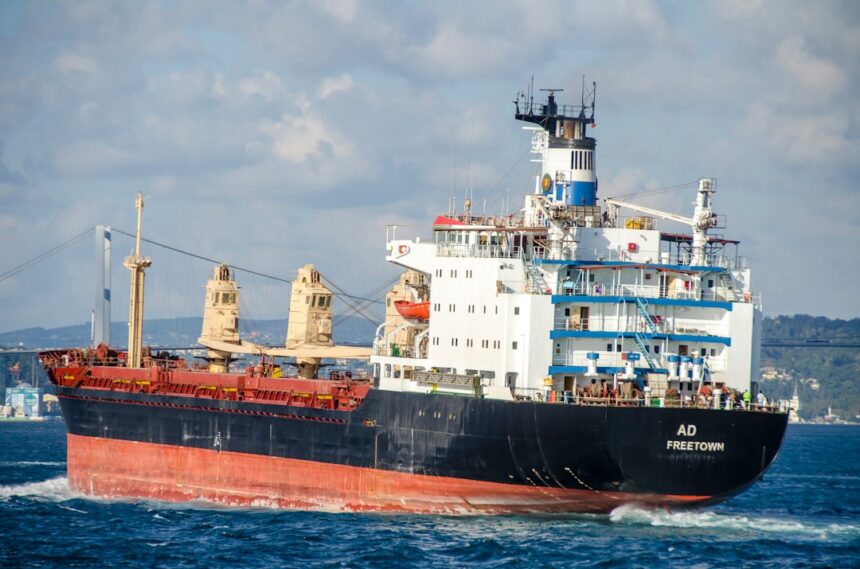
Renewed tensions between Iran and the United States have been marked by a series of missile attacks, disrupting the previously calmer maritime atmosphere in the Strait of Hormuz. On Tuesday, US Central Command reported that multiple ballistic missiles launched by Iranian forces targeted American military positions, though all projectiles were successfully intercepted.
In a proactive response, Jordan reported that its air defense forces destroyed five Iranian missiles, highlighting the effectiveness of regional defense measures. This surge in hostilities has generated significant concern among shipping operators reliant on the Strait of Hormuz, a crucial artery for global oil and cargo transport.
The Context of Increased Hostilities
The Strait of Hormuz is of vital importance for international shipping, often designated for transporting approximately one-fifth of the world’s oil supply. The recent missile attacks disrupt the relative peace that had allowed vessels to navigate this strategic chokepoint with less apprehension. As ships traverse this narrow waterway, the implications of military action can lead to increased operational costs and heightened risks of disruption.

Shipping companies are now faced with assessing the potential for renewed threats and evaluating their risk management strategies. The prospect of military conflict poses a formidable challenge to shipping schedules and could lead to increased laytime and demurrage costs, particularly if vessels need to reroute or delay transit through the area.
Market and Operator Implications
In response to these developments, shipping operators are urged to enhance their threat assessment protocols. Navigational routes may require adjustments, and operators should consider the implications of changes in risk premiums on insurances and freight costs. Furthermore, as maritime insurance underwriters recalibrate their risk models based on renewed military threats, increased premiums will likely follow, further inflating operational costs.
With the volatility of the region at the forefront of discussions, shippers should remain vigilant and prepared for rapid changes. Analysts suggest that maintaining flexibility in deployment and advancing contingency plans are essential in navigating the aftermath of these hostile actions.
The Operational Read
The operational landscape for maritime transport through the Strait of Hormuz has shifted dramatically with the return of hostilities. Shipping operators must now grapple with the dual challenge of maintaining operational efficiency while enhancing safety protocols in light of new risks. The potential for increased insurance premiums may compel some operators to reconsider their throughput strategies, weighing direct passage through the strait against alternate routes, potentially leading to longer transit times and increased fuel costs. Stakeholders should keenly monitor developments, as geopolitical dynamics will heavily influence shipping traffic and cost structures in the coming weeks.