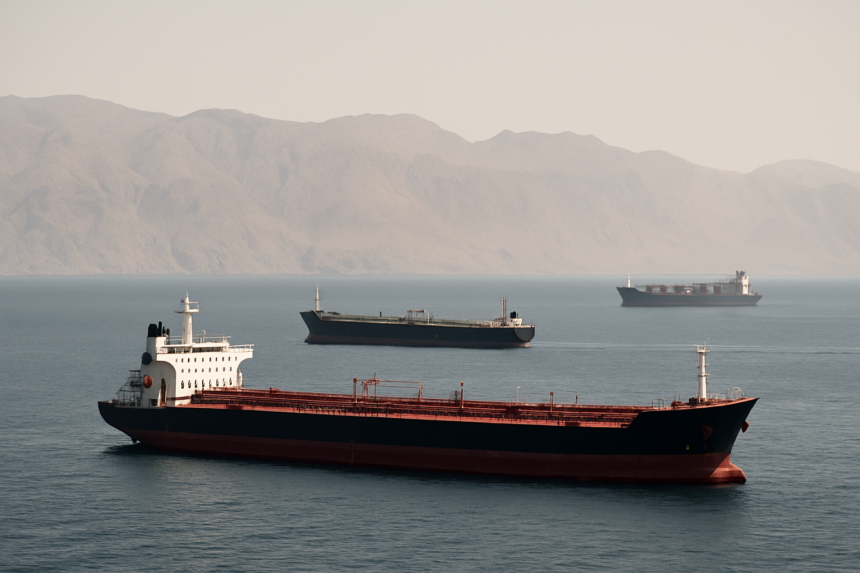
Maritime organizations are pressing for immediate clarity from the U.S. administration on ensuring safe navigation for vessels stranded in the Strait of Hormuz. During a recent Lloyd’s List webinar, INTERTANKO Marine Director Phillip Belcher highlighted the precarious situation, noting that the primary traffic route through the strait is compromised by an alarming number of mines.
The Current Situation
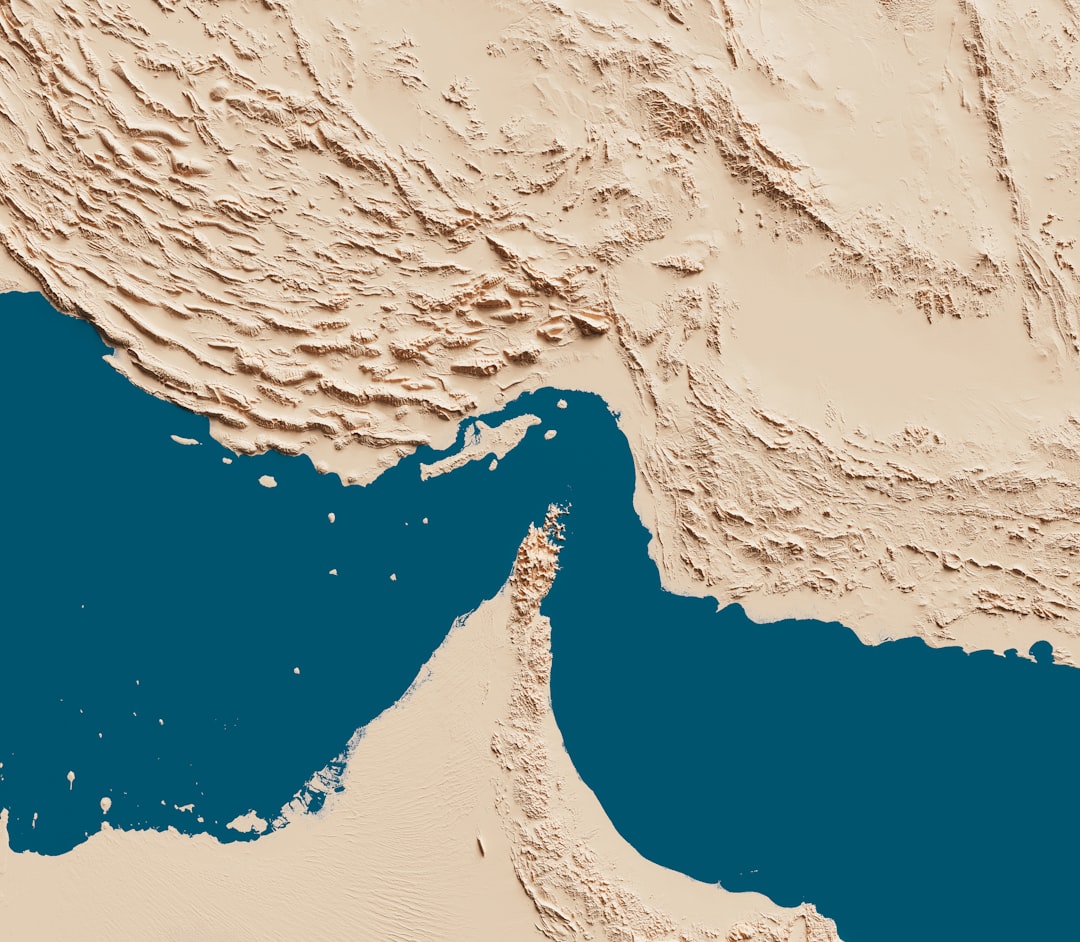
As of the latest reports, approximately 80 mines have been found in and around the Traffic Separation Scheme of the Strait of Hormuz, severely limiting vessel movement and presenting significant navigational hazards. The channel, which previously supported a throughput of 130-140 ships per day, is currently closed. The alternative routes established—primarily the U.S. routes and the Omani route—are only capable of accommodating roughly 30 vessels combined, highlighting the urgent need for operational clarity from authorities.
Belcher elaborated on the operational limitations of these alternative pathways, underscoring that the Southern Route is effectively acting as a breakdown lane, not a solution to the logistical challenges posed by the disruption. This rerouting has prompted discussions about the urgent need to restore a safe ‘maritime highway’ for commercial shipping.

Safety and Navigational Risks
Amid these developments, safety concerns persist. The Southern Route is fraught with risks of running aground due to its proximity to rocky outcrops, while there is also an elevated risk of vessel collision in the narrower pathways. Additionally, interference with GPS signals has rendered satellite navigation unreliable, exacerbating the danger for ships operating in this congested area.
Belcher cautioned that an influx of traffic spurred by renewed confidence could lead to further complications if navigation is not adequately controlled. The strait, measuring approximately 21 miles at its narrowest point, is divided into two primary lanes for inbound and outbound traffic but is currently limited to a six-mile-wide corridor actively used by vessels.
Future Implications
Operators express concern over the implications of a Memorandum of Understanding (MoU) recently established concerning the management of the Strait of Hormuz. Significantly, the agreement stipulates that Iran will play a pivotal role in future dialogues about the waterway’s management, raising questions about adherence to international maritime law since Iran is not a party to the United Nations Convention on the Law of the Sea (UNCLOS).
As the maritime community grapples with these evolving challenges, stakeholders are demanding that clarity on navigational safety be prioritized to mitigate ongoing risks. The safe reopening of the main channel is essential not only for the smooth operation of shipping activities but also for maintaining stable oil and energy markets that significantly rely on this vital chokepoint.
Behind the Headline
The current crisis in the Strait of Hormuz exemplifies the delicate balance between maritime safety and geopolitical tensions. Operators must navigate through a looming mine hazard zone while grappling with diminished capacity in alternative routes, which represents a substantial operational challenge. The potential reopening of main transit routes depends heavily on demining efforts and the geopolitical landscape. Observers should monitor developments in negotiations surrounding the MoU, as Iran’s enhanced regulatory role could further complicate shipping operations in the region.