On Monday, two U.S. senators introduced bipartisan legislation designed to limit the presence of Chinese and Russian government-linked vessels in Arctic waters. The Arctic Security and Diplomacy Act prohibits adversarial nations from conducting research activities within the U.S. Exclusive Economic Zone (EEZ) and on the continental shelf, reflecting heightened security concerns amid escalating strategic competition in the region.
Senator Mike Lee, a Republican, and Senator Jeanne Shaheen, a Democrat, emphasized the necessity of this legislative effort, underscoring that the United States cannot allow China to exploit scientific research as a pretense for intelligence gathering. Lee articulated the importance of protecting American waters from adversaries attempting to exert influence and conduct espionage. Meanwhile, Shaheen highlighted ongoing cooperation between Russia and China in the Arctic, reinforcing the bipartisan nature of the bill.
Increased Foreign Activity
The need for this legislation follows a notable rise in Chinese research vessel operations near Alaska. In August 2025, the U.S. Coast Guard monitored a total of five vessels, including the Xue Long 2, marking an unprecedented Chinese research presence in the region. These vessels have engaged in extensive submersible operations and deep-water research missions, activities that not only enhance scientific understanding but also generate critical data with military applications.


Maritime security analysts express concerns that the capabilities demonstrated by these Chinese vessels could improve their insight into underwater terrain, communications infrastructures, and submarine operation environments. Furthermore, the legislative move is a response to broader patterns of Chinese-Russian cooperation observed in recent years. For instance, a flotilla comprising Russian and Chinese vessels conducted joint operations near Alaska in 2024 and traversed the Bering Strait multiple times, illustrating the increasing military and maritime coordination of these nations.
Implications for U.S. Maritime Security
Russia’s strategic control of over half of the Arctic coastline has allowed it to reinforce military bases and infrastructure in its northern territories significantly. Concurrently, China has augmented its fleet, including icebreakers and research vessels capable of operating in polar conditions. U.S. officials have issued warnings about a record number of Chinese and Russian military and research vessels operating in or near American Arctic waters in recent years.
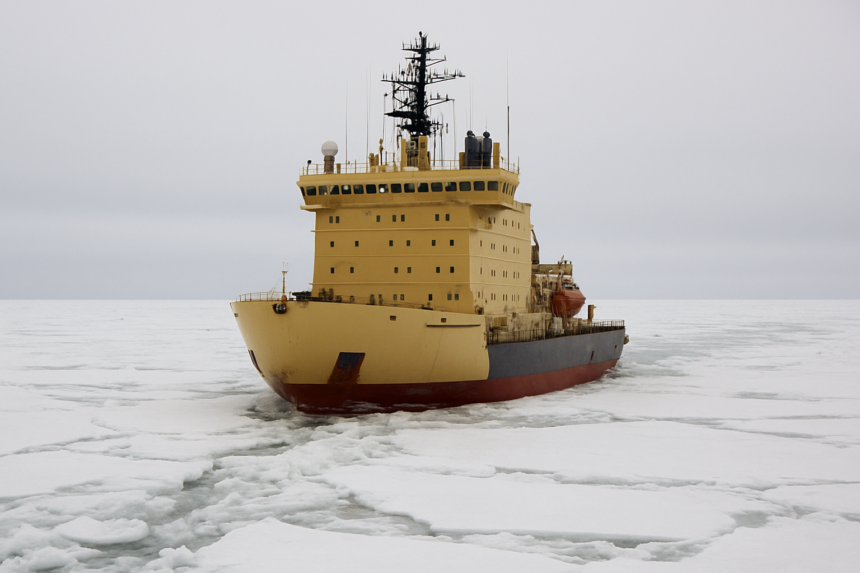
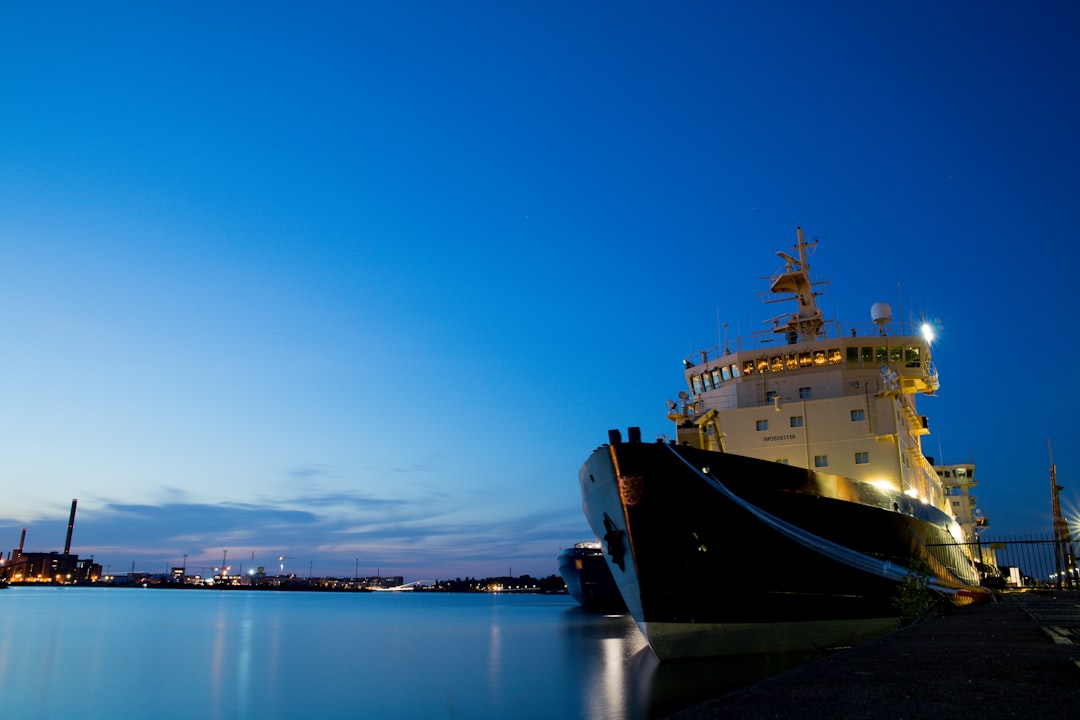
The U.S. Coast Guard’s ability to respond to these challenges is currently supported largely by its heavy icebreaker fleet, notably the Healy and the recently commissioned Storis, which have actively monitored foreign vessel activities off the Alaskan coast.
The Operational Read
The introduction of the Arctic Security and Diplomacy Act highlights a larger strategic imperative for the U.S. as foreign adversaries expand their influence in critical regions. For operators and stakeholders in the maritime sector, understanding the implications of this legislation is essential. Should this bill pass, it could reshape research operations conducted by foreign vessels in U.S. waters, compelling a reevaluation of nautical research methodologies. Additionally, enhanced monitoring and potential rerouting of research efforts by foreign vessels could lead to operational adjustments in terms of costs and logistics for international marine operations. This scenario emphasizes the need for vigilant maritime security measures as geopolitical dynamics continue to evolve in the Arctic.