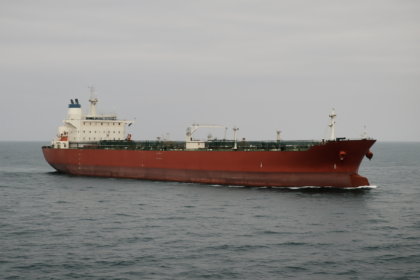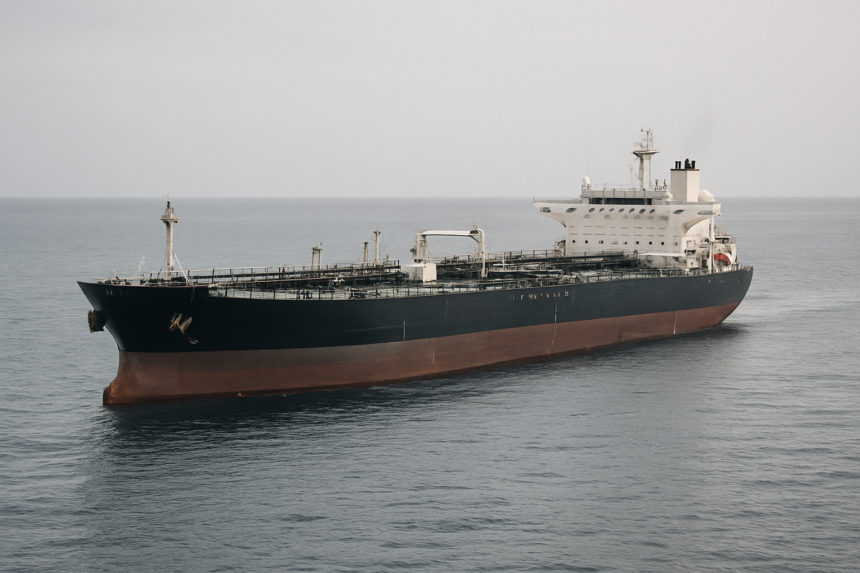
On Monday, the European Union imposed sanctions on two Iranian individuals and the Hormozgan Provincial Command of the Islamic Revolutionary Guard Corps (IRGC) Navy due to its role in enforcing a stringent toll system that restricts freedom of navigation through the Strait of Hormuz. This strategic waterway is vital for global energy trade, with approximately one-fifth of the world’s oil and LNG flowing through it.
The Accusations
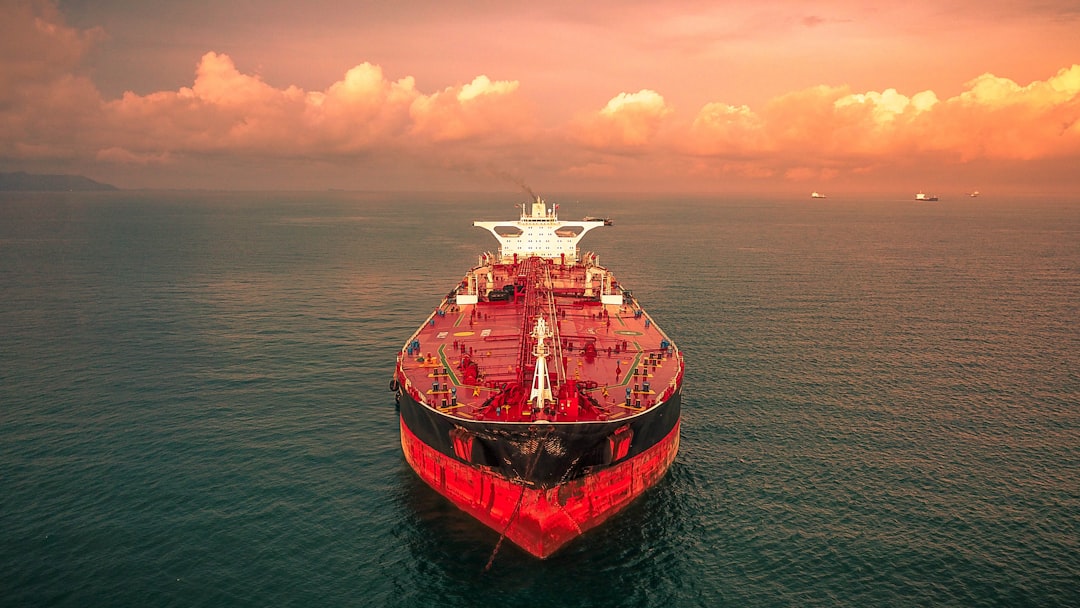
The Council of the EU has accused the IRGC Navy unit of operating a toll regime that mandates vessels submit detailed identifying documents, cargo information, and destination data. These requirements allow Iranian authorities to screen vessels, and in certain instances, access is granted only after payment of transit fees. The sanctions also target key figures including Mohammad Akbarzadeh, deputy commander for political affairs of the IRGC Navy, who has been linked to actions undermining navigation safety and threatening commercial vessels, and Hamid Hosseini, a representative advocating for the toll system.
Geopolitical Context
This action follows closely on the heels of sanctions imposed by the U.S. Treasury Department against Iran’s Persian Gulf Strait Authority, which was accused of enforcing a permission-based transit regime to control maritime traffic. The U.S. has cautioned that violations related to the IRGC Navy’s toll practices could expose shipowners, insurers, and other maritime service providers to sanctions risk.

Market Implications
The EU’s sanctions, which include asset freezes and a prohibition on providing economic resources to those listed, represent a significant escalation in the international effort to challenge Iranian activities that threaten maritime navigation. Following the expanded sanctions framework initiated on May 22, industry stakeholders are scrutinizing the increased operational risk and compliance burdens for vessels transiting the Strait of Hormuz.
The Operational Read
Shipping operators navigating through the Strait of Hormuz now face heightened scrutiny and potential operational costs due to enforced tolls by Iranian authorities. The implementation of these sanctions means vessel operators must ensure that their compliance measures are robust, particularly regarding documentation and routing instructions. It is essential for industry participants to track developments closely, as any failure to adhere to these new requirements could lead to significant penalties. The situation underscores the broader challenge of maintaining freedom of navigation in a region marked by geopolitical tensions and regulatory complexities.