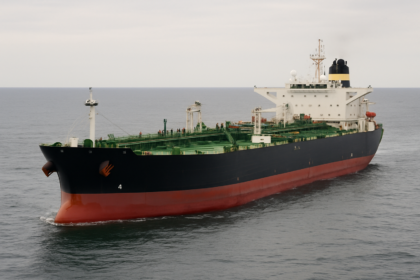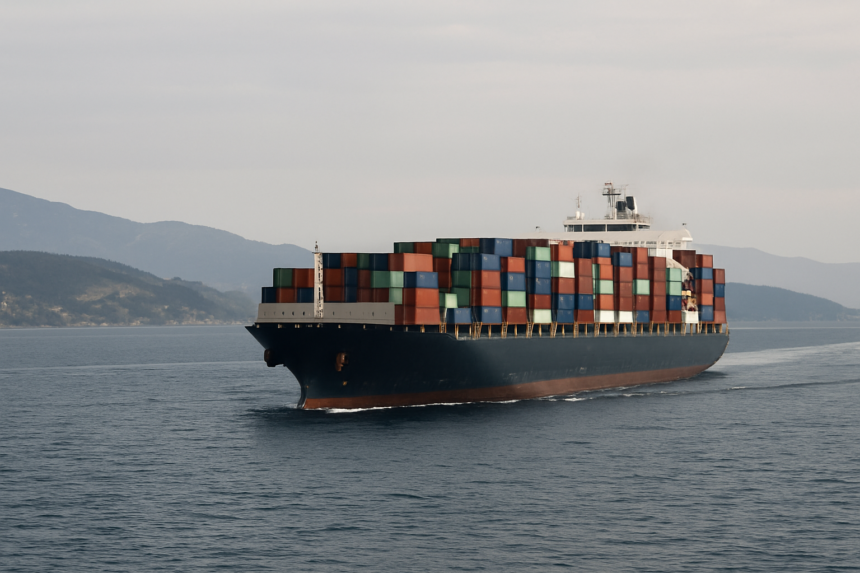
The ongoing conflict in Iran threatens to complicate maritime traffic in the Strait of Hormuz, a critical chokepoint for global oil supply. Experts, during a recent webinar hosted by the Council on Foreign Relations, have indicated that even after hostilities cease, control over shipping may remain uncertain, which could result in long-term reductions in traffic through this vital waterway.
Potential Gray Zone Scenario
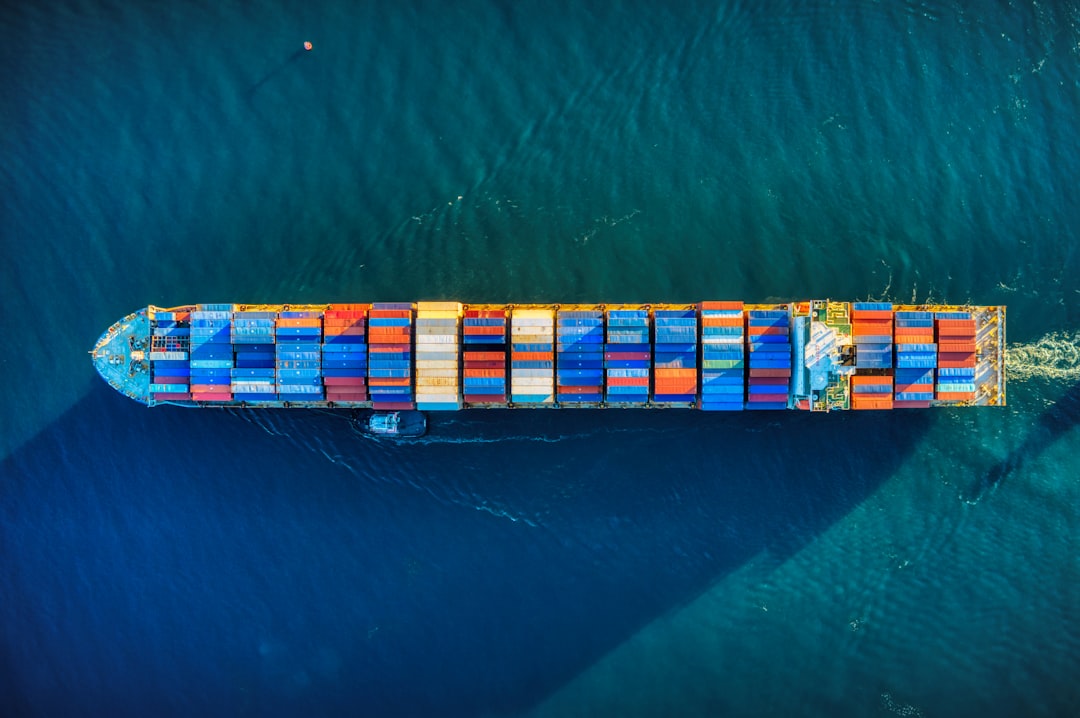
Daniel Yergin, Vice Chairman of S&P Global, highlighted the potential for a ‘gray zone’ where the strait is neither fully open nor completely closed. This creates a precarious environment for shipping operators. Edward Fishman, a senior fellow at the Council on Foreign Relations, elaborated on this scenario, positing that Iran may enforce a system where vessels must pay tolls to transit the strait. However, he noted that many shipping companies could be hesitant to comply due to the associated sanctions risks.
Impact of U.S. Sanctions
The U.S. Treasury Department’s sanctions against the Persian Gulf Authority add another layer of complexity. The sanctions aim to limit Iranian influence in the region but simultaneously create an environment of uncertainty for maritime operations. Fishman pointed out that companies could face significant legal repercussions, further complicating the decision-making process for transiting vessels.

Helima Croft, managing director and global head of commodity strategy at RBC Capital Markets, suggested that certain nations might be willing to pay the proposed tolls to ensure passage. Still, it remains ambiguous whether Western operators would follow suit, considering the potential sanctions implications. This dilemma could lead to a stalemate in traffic flows, echoing previous patterns observed in the Red Sea, where freight volumes have struggled to recover despite diplomatic engagement with local forces.
Historical Context and Future Projections
Croft speculated that February 27, 2026, might represent a peak in transits through the Strait of Hormuz, casting doubt on the sustainability of current shipping levels. The lingering effects of geopolitical tensions and evolving legal frameworks will likely keep operators on high alert. Analysts are cautious, predicting that maritime flows may continue to struggle once conflicts de-escalate.
The Operational Read
The operational landscape in and around the Strait of Hormuz remains fraught with uncertainty, impacting shipping companies’ logistical strategies. Operators must navigate significant geopolitical risks, particularly in the context of sanctions and potential tolls. The likelihood that flows could remain depressed even post-conflict necessitates a reevaluation of routing and compliance strategies for vessels transiting this crucial chokepoint. Stakeholders should closely monitor developments regarding Iranian toll policies and U.S. sanctions to accurately forecast traffic trends and adapt operational readiness accordingly.