Trafigura, a leading commodity trading company, has issued a stark warning regarding the ongoing energy crisis, which it describes as the largest in history. The trader’s half-year financial report indicates that more than 1.1 billion barrels of oil have been removed from global markets due to prolonged conflicts in the Middle East, significantly impacting supply levels.

The Supply Shock
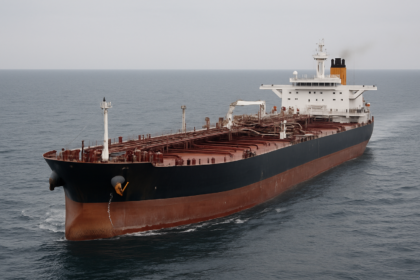
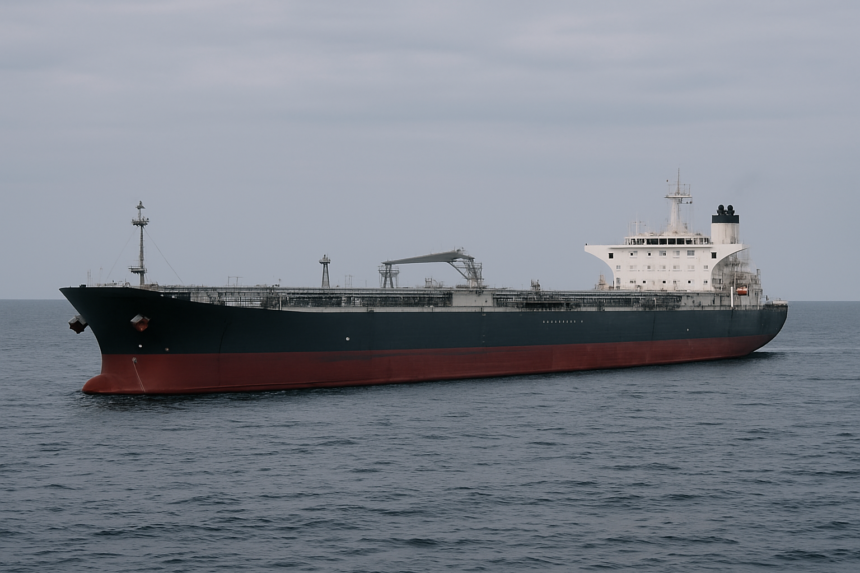
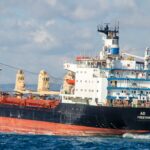
According to Trafigura, the effective closure of the Strait of Hormuz has contributed to a staggering ongoing loss of approximately 14 million barrels per day in oil supply, despite alternative export routes and pipelines being utilized to mitigate the disruption. Without these rerouted supplies, the loss could exceed 20 million barrels per day. The threat of attacks on commercial vessels in this critical chokepoint has led to near-zero shipping volumes, while oil production and export activities have been heavily curtailed.
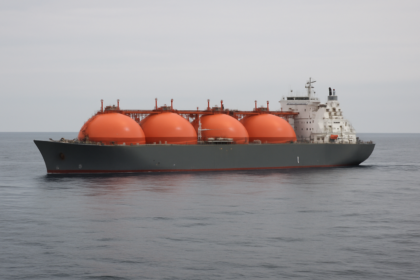
The situation is further compounded by disruptions in liquefied natural gas (LNG) production, particularly affecting Qatar, which constitutes about 20% of global LNG supply. The inability to operate at normal production levels is causing cascading effects throughout the energy market.

Market Implications
Energy prices have surged dramatically, with Brent crude and diesel prices now around 60% above pre-war levels, retail gasoline prices rising over 50%, and jet fuel costs up more than 70%. Despite the scale of these increases, analysts expected an even sharper rise, suggesting the market has been partially shielded by several factors.
Trafigura’s Chief Economist, Saad Rahim, highlighted that elevated oil inventories, strategic petroleum reserve releases, and already afloat, floating cargoes have mitigated the immediate price impact. Nonetheless, this buffer is depleting rapidly, with OECD commercial inventories declining significantly. For instance, U.S. gasoline stocks are at levels typically reserved for post-summer driving seasons, highlighting the urgency of addressing supply shortages.
Future Outlook
Restoration of normal production and shipping operations is projected to take months, even with a potential peace agreement in place. Trafigura’s report emphasizes that the supply shock’s enormity means sufficient molecules are not available to meet existing demand, leading to a necessary adjustment in consumption patterns. The reality is that the global energy market remains in a precarious state with persistent supply deficits likely on the horizon.
Interestingly, despite the crisis, Trafigura has reported one of its strongest financial performances to date, achieving a net profit of $4.1 billion for the first half of 2026. This figure significantly surpasses the $1.5 billion profit recorded during the same timeframe last year. The company’s success is attributed to heightened demand for trading, logistics, and shipping services that arose from the heightened volatility in supply chains.
Behind the Headline
The significant operational disruptions cited by Trafigura underline the fragility of global oil supply chains amid geopolitical conflicts. For operators and charterers, the immediate challenge involves navigating the complexities of reduced oil availability and heightened risk management. The potential for prolonged supply deficits means that strategic planning and alternative routing for vessels will be essential. Observers should monitor developments within the Strait of Hormuz closely, as any escalation could further jeopardize shipping operations and global energy prices.