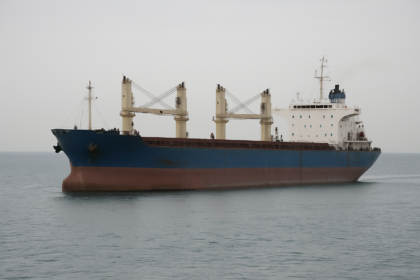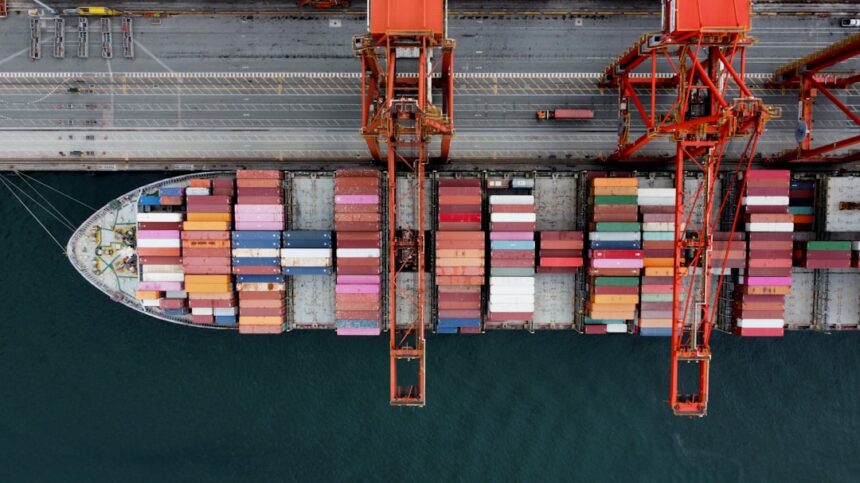
Argentina has reinstated port operations after a disruption caused by a pilots’ strike left over 150 vessels in limbo. The government intervened to negotiate with port and river pilots, leading to the temporary suspension of a controversial overhaul of the pilotage regime.
The Strike Background
The strike, which brought much of Argentina’s maritime trade to a standstill, centered on proposed changes to the pilotage system that pilots argued would undermine safety and operational integrity. The industrial action led to significant delays in vessel movements, impacting shipping schedules and raising concerns about the country’s economic stability.
A Government Resolution
On Tuesday evening, following tense negotiations, pilots agreed to resume their duties under a temporary suspension of the government’s decree. This agreement marks a critical step towards reinstating the flow of maritime trade, allowing vessels that had been delayed to expedite their departures and arrivals. The government’s intervention highlights the influence of industrial actions on key national economic sectors, especially during challenging trade periods.

Market Implications
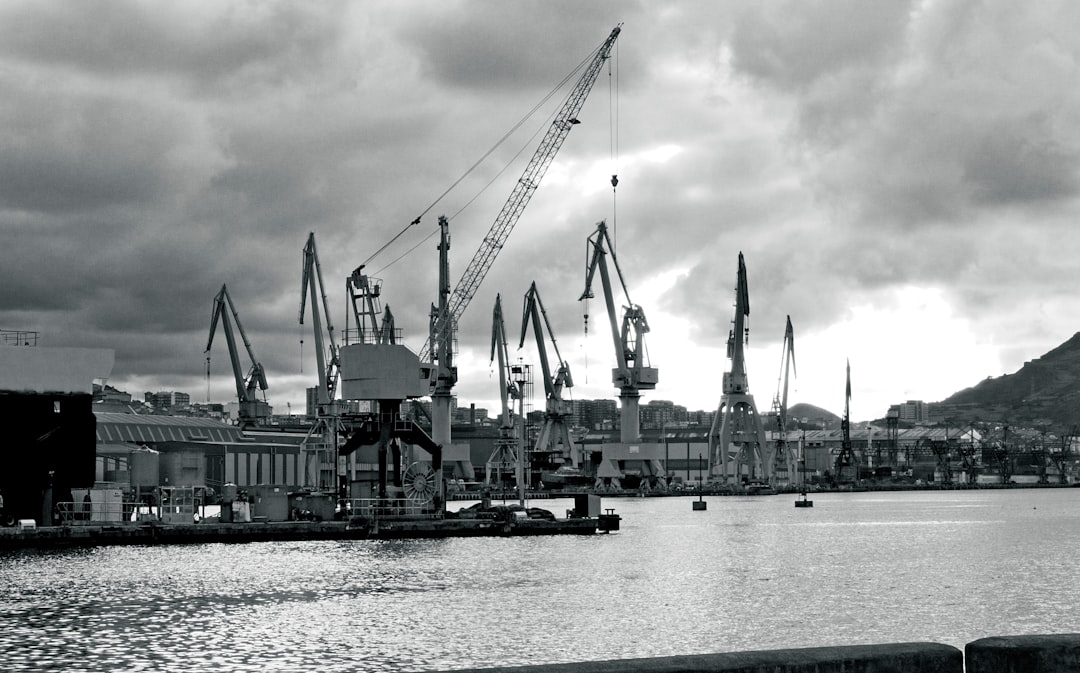
The backlog of over 150 vessels had the potential to impact the supply chain significantly, affecting delivery schedules and possibly increasing shipping costs as carriers sought to prioritize urgent cargo. With pilot services now back in operation, there is optimism that normal shipping activities will resume swiftly, alleviating pressure on operators and traders who rely on timely port access.
Behind the Headline
The recent pilots’ strike underscores the necessity of effective communication and negotiation in maritime operations. The operational reality reveals how pilotage systems are integral to safe navigation and efficient trade. Shipping operators must stay vigilant about local regulatory changes and labor relations, as disruptions can have swift and far-reaching effects across global supply chains. The current resolution is temporary; operators should prepare for potential future negotiations that could alter the maritime landscape again.