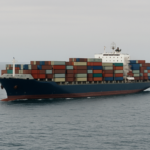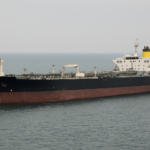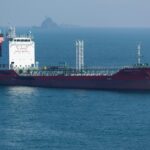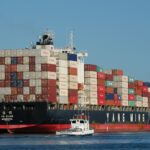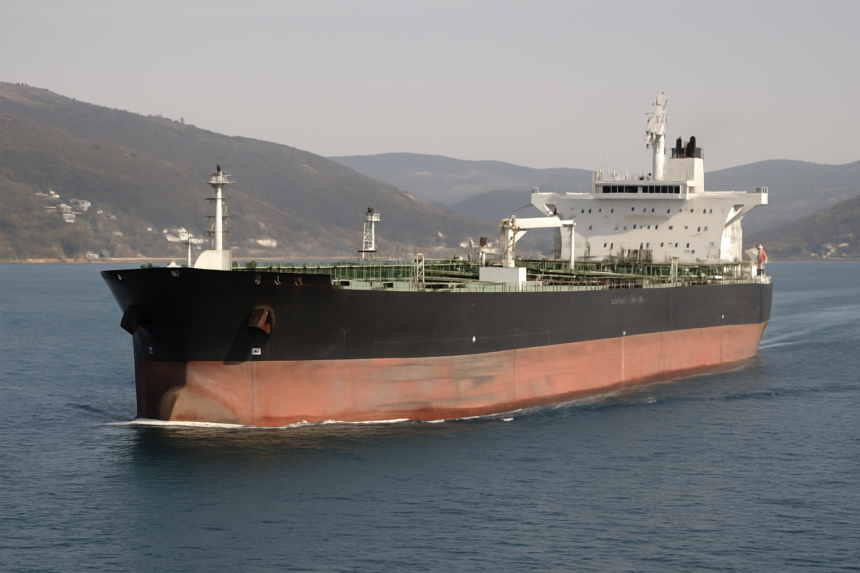
During a Senate Foreign Relations Committee hearing on June 2, U.S. Secretary of State Marco Rubio reiterated the administration’s position that sanctions relief for Iran is conditional upon the country abandoning its nuclear program. His statement highlights the ongoing tensions surrounding the critical Strait of Hormuz, a vital maritime passage for global oil transport.
The Context of Nuclear Negotiations
Rubio’s testimony marks the first time he has addressed Congress publicly since the Iran conflict escalated in February, following U.S. and Israeli strikes against Iranian targets. He clarified that any sanctions relief would be rewards for compliance with stipulations concerning Iran’s highly enriched uranium activities and nuclear ambitions. “If they agree to give up those things, there will be sanctions relief associated with their commitment and compliance with those agreements,” Rubio stated.
Political Pressures from Congress
As Rubio discussed foreign policy challenges, he faced questions from lawmakers seeking clarity on the administration’s strategy to end the Iran conflict. Senator Murphy pressed for details on what actions would be needed to reopen the Strait of Hormuz, asserting, “We can’t live in a world where they get to close the Strait and tell everybody to pay us a toll or we’ll blow you up.” Meanwhile, Senator Jeanne Shaheen criticized the administration’s approach, expressing frustration that constituents are more concerned with domestic economic relief than foreign military engagements.

Impact on Global Oil Markets
The Strait of Hormuz is critical for shipping and global oil supply, with nearly a fifth of the world’s oil passing through this narrow waterway. The sanction strategy emphasizes the delicate balance between U.S. foreign policy in the region and the immediate economic concerns of American citizens, particularly regarding rising gasoline prices. With the November elections approaching, Republicans are under pressure to demonstrate efficacy in managing the situation to secure the Strait and stabilize fuel costs.
The Operational Read
The ongoing geopolitical tensions in the Strait of Hormuz have substantial implications for shipping operations and global energy markets. Shipping operators must navigate heightened risks associated with potential disruptions in this vital chokepoint. The U.S. administration’s firm stance on Iran complicates the landscape, necessitating careful risk assessments for routing decisions. Furthermore, operators should monitor developments closely regarding the potential for military escalation and its impacts on maritime security and insurance costs, particularly as legislative support for foreign military engagements comes under increasing scrutiny.