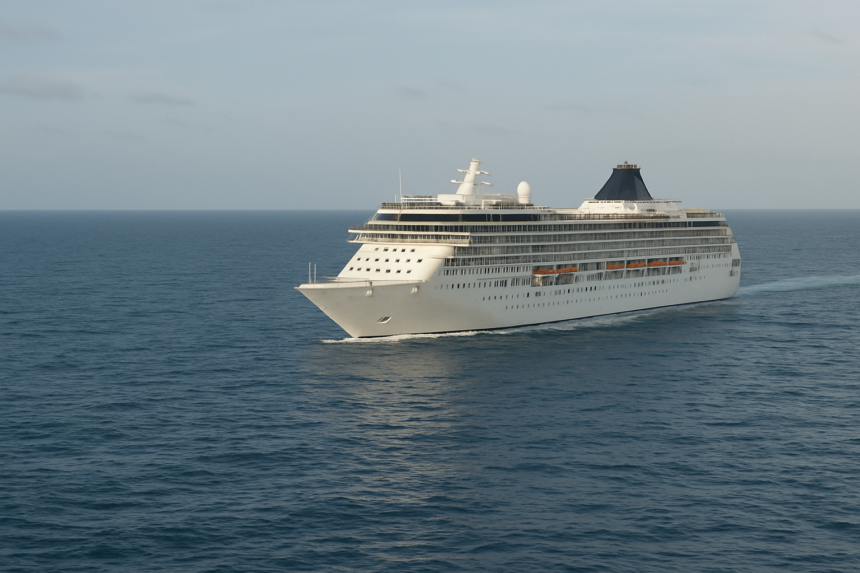
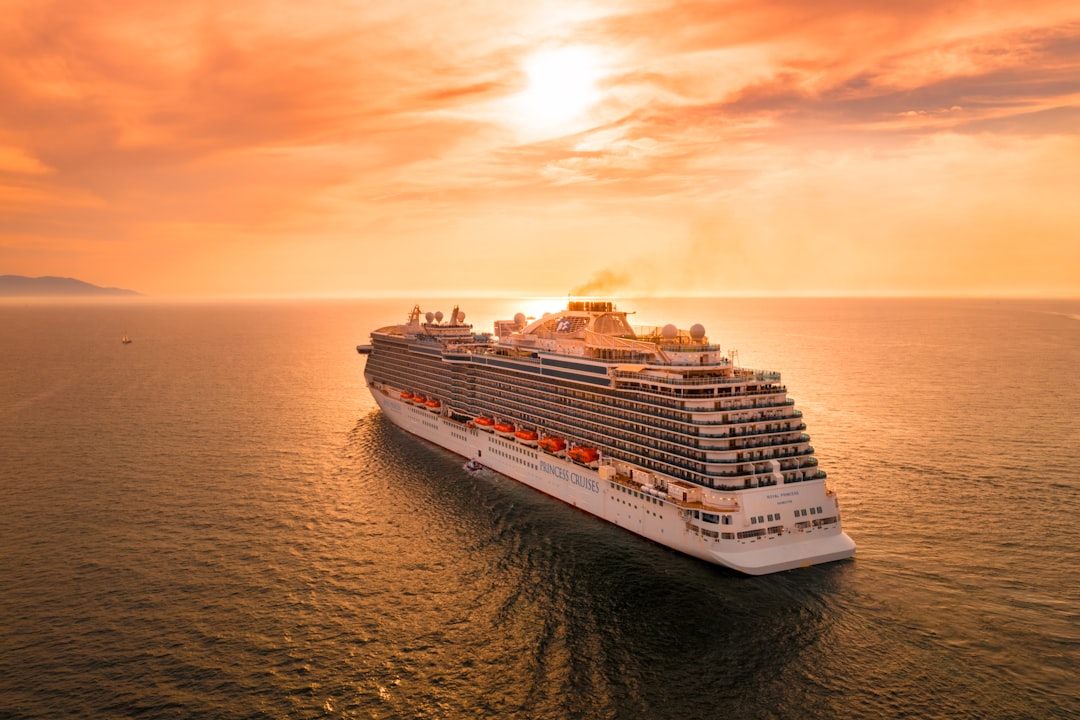
The cruise ship Silver Whisper executed a successful rescue operation on May 28, 2026, aiding an injured sailor aboard the Canadian-flagged yacht April Alice. The yacht, which had been dismasted, was located approximately 420 nautical miles off the Oregon coast. Given the distance from shore, the U.S. Coast Guard was unable to deploy a helicopter for a rescue. The Silver Whisper’s crew acted promptly upon receiving the distress call, marking a critical moment in maritime emergency response.
The Incident
The distress call from April Alice detailed the plight of its sole sailor, who was not only stranded due to the yacht’s dismasting but had also sustained a shoulder injury. Recognizing the urgency of the situation, the master of Silver Whisper made the decision to divert the vessel slightly northward to reach the incapacitated yacht. After an estimated seven-hour journey to the distress position, the cruise ship successfully made contact, showcasing effective maritime coordination amidst challenging conditions.
Market Impact
This incident calls attention to the interplay between different types of maritime vessels during emergency situations. Cruise ships such as Silver Whisper often find themselves in positions to assist in maritime rescues due to their operational capabilities and geographic mobility. This case may encourage other cruise operators to train their crews for emergency maritime rescue scenarios, reinforcing the need for comprehensive safety protocols in a variety of operational contexts.

Operator Response
Silver Whisper’s crew demonstrated exemplary readiness in joining the search and rescue efforts. The successful response enhances the cruise line’s reputation for safety and operational integrity within the industry. Such actions underscore the critical role that larger vessels can play in resolving maritime emergencies, particularly when traditional rescue resources are unavailable.
The Operational Read
This incident highlights the importance of maritime operational readiness and the integration of larger vessels into search and rescue missions. For operators, maintaining the capability and training to respond to emergencies can have substantial implications for safety and insurance. The maritime industry should evaluate the systems in place for mutual support among various vessel types, ensuring that crew members are equipped with the necessary skills to handle distress situations effectively. Monitoring future rescue operations will provide further insights into how capabilities can evolve within the sector.