Update 19 Nov 2026, 10:35 UTC:
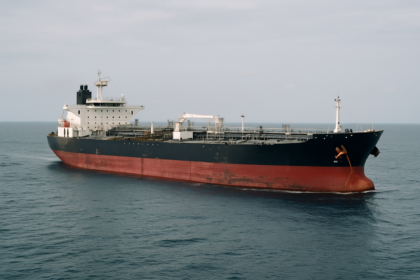
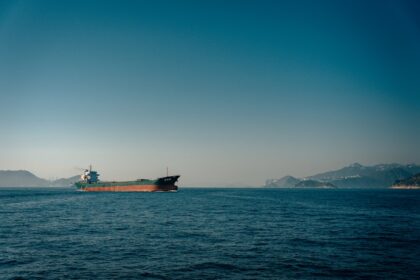
Recent intelligence indicates that merchant vessels with previous port calls in Ukraine may become increasingly vulnerable to Russian maritime targeting operations in the Black Sea. This development marks a notable expansion of Russia’s campaign, reminiscent of tactics used by Houthi forces in the Red Sea.
The Threat Landscape
According to British maritime security specialist Ambrey, the identification of merchant ships could lead to targeted strikes, even if their current voyages have no present connection to Ukraine. This alarming trend underscores the escalating risks faced by shipping operators in the Black Sea.

As geopolitical tensions remain high, the implications for maritime operations extend beyond immediate safety concerns, impacting insurance and operational strategies. The rising likelihood of attacks necessitates comprehensive risk assessments by shipowners, with a focus on prior port calls serving as key indicators of vulnerability.

Market Reactions
The maritime insurance market is expected to react swiftly to these developments, potentially leading to higher war-risk premiums for vessels operating in or near the Black Sea. The increased scrutiny on ship movements may require operators to implement enhanced security measures to safeguard their assets and crew.
Shipping companies might consider alternative routes to avoid potential hotspots, particularly as the possibility of targeted attacks remains a significant concern. The geopolitical landscape is continually evolving, necessitating adaptive responses from all stakeholders involved in maritime trade.
The Operational Read
This expansion of Russia’s maritime targeting strategy presents serious operational implications for shipping companies. The historical context of prior port visits provides a new layer of risk that vessel operators must navigate carefully. Each port call now requires thorough analysis of potential repercussions, leading to increased pressure on crews and charterers. The expectation of heightened war-risk premiums signals a recalibration of operational budgets, compelling companies to assess their exposure proactively. As the situation develops, continuous monitoring of the threat landscape is essential for informing strategic decisions, operational planning, and ensuring the safety of vessels in this volatile region.