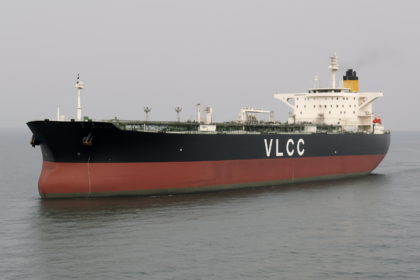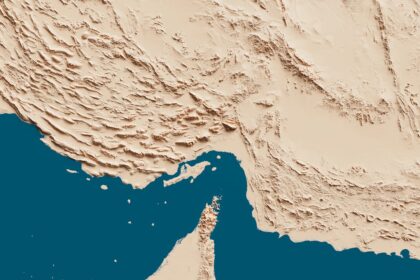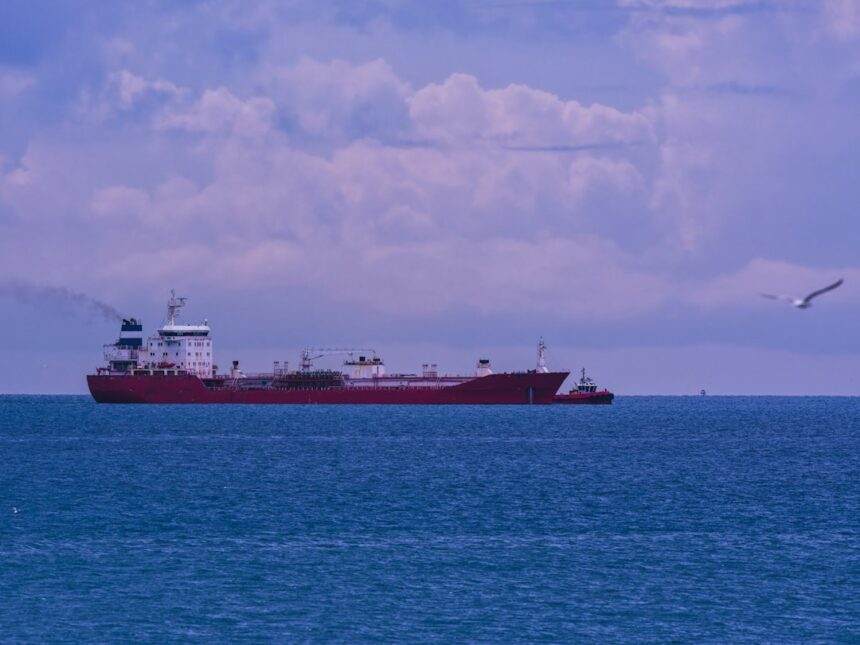
During the first three quarters of 2026, LR2 tankers have experienced a notable shift in cargo dynamics, with clean product volumes loading down by 28% year-on-year. This decline is attributed to disruptions in the Strait of Hormuz, which significantly affected trade routes and volumes.
According to Niels Rasmussen, Chief Shipping Analyst at BIMCO, LR2s averaged a loading of 2.1 million barrels per day (mbpd) in clean products during this period, a reduction of 0.8 mbpd compared to 2025. The Persian Gulf, which accounted for over 40% of clean product volumes in 2025, saw this share plummet to just 18% in 2026, falling to 0.4 mbpd as navigation through the Strait became increasingly difficult.
Increased Volumes in Crude and Heavy Products
Despite the reduction in clean cargo, LR2s saw a dramatic rise in crude oil and heavy product transport. Average volumes for these categories reached 5.1 mbpd, an increase of 1.8 mbpd year-on-year. This uptick resulted in an overall increase of 1.0 mbpd in total loadings for LR2s, representing a 15% growth compared to the same period in 2025.


The increase has largely come from higher exports out of the Mediterranean and the Americas, which together accounted for 80% of the rise in crude oil and heavy products. Notably, LR2s gained almost 30% of the increase in Venezuelan crude oil exports during this timeframe. Key routes witnessing significant growth include shipments from the US Gulf to Northern Europe, and exports from the west coast of Canada to North Asia and North Africa to Italy.
Market Dynamics and Fleet Trends
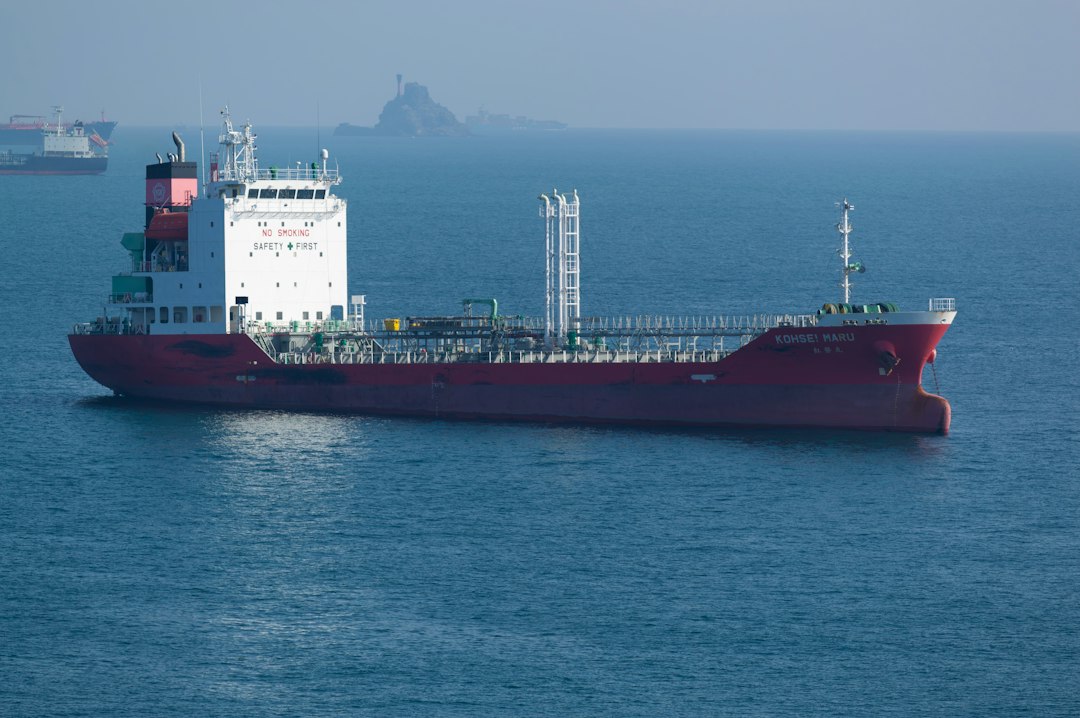
Operational dynamics also suggest that as crude oil and heavy product volumes have surged, average sailing distances for these cargoes have shortened by 33% compared to clean products. This aligns with a broader trend where LR2s adapted quickly to changing market conditions.
Furthermore, an 18% expansion in the LR2 fleet capacity, coupled with a significant order book, indicates continued growth potential for these vessels. In contrast, the Aframax crude tanker fleet’s growth remains constrained, due to a more limited order book and higher recycling potential among older vessels.
Behind the Headline
The recent trends in LR2 demand showcase an adaptive industry responding to geopolitical and market pressures. Operators are likely to continue shifting strategies toward crude and heavy products, given the substantial changes in regional supply dynamics and dislocations in maritime routes. With ongoing geopolitical uncertainties, the reliance on crude oil exports may escalate, emphasizing the need for flexibility in shipping operations and an eye on fleet developments over the next few years.