Update 27 Sep 2026, 22:33 UTC:
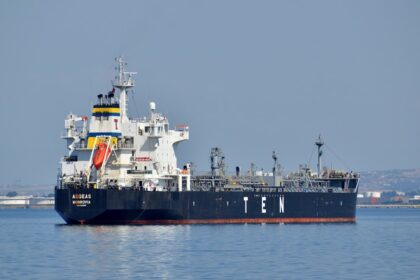
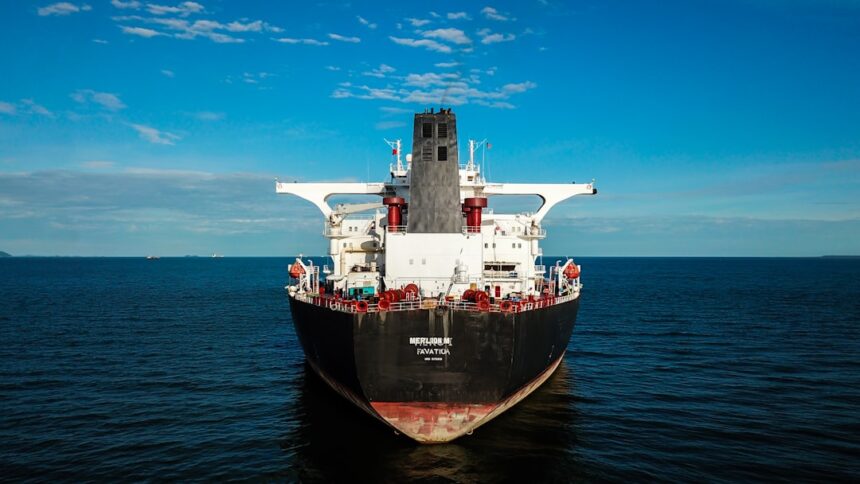
Iran has reiterated its unwillingness to soften conditions for reopening the strategic Strait of Hormuz following a rejection of its proposal by U.S. President Donald Trump. This development extends the ongoing stalemate surrounding one of the world’s most vital maritime channels for energy transport.
The Negotiation Standoff
Despite Iran’s vocal position, further diplomatic engagement is anticipated through Qatar and Pakistan, which are acting as intermediaries. Iranian Foreign Minister Abbas Araghchi confirmed that Tehran is awaiting a formal response from Washington, underscoring that the negotiation process primarily hinges on mutual concessions which have yet to materialize. Reports suggest that negotiations were considering an arrangement involving the reopening of the Strait in exchange for the lifting of U.S. port blockades against Iran.

Regional Tensions Escalate
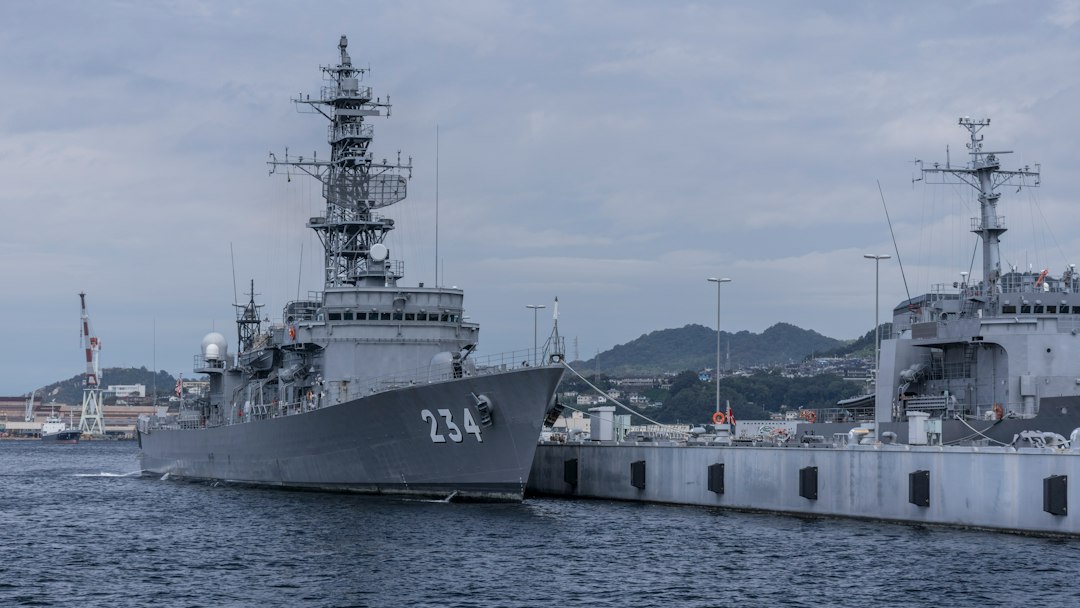
As diplomatic avenues appear to stall, tensions in the region have intensified. Saudi coalition forces have recently reported intercepting Houthi drones and missiles aimed at targets within Saudi Arabia, signaling a broader regional conflict that could disrupt maritime security in the Arabian Gulf. Iranian President Masoud Pezeshkian highlighted that Iran will not ensure free navigation through the Strait while U.S. sanctions are upheld, complicating the operational environment for maritime traffic.
Additionally, the potential for U.S. military actions post-midterm elections is a looming concern, which may affect vessel movements and insurance premiums in affected shipping lanes.
The Operational Read
The prolonged dispute regarding the Strait of Hormuz shapes a precarious environment for commercial shipping operators. The Strait is pivotal for oil exports and energy security; thus, unresolved tensions demand careful route planning and risk assessments. Operators should be cognizant of the implications of military escalations, which may result in increased war-risk premiums and insurance costs, potentially impacting freight rates. Stakeholders should prepare for fluctuating market conditions, as the next steps taken by both Iran and the U.S. could significantly influence maritime logistics and energy supply chains.