Update 11 Nov 2026, 22:32 UTC:
The US Treasury Department is considering allowing the acquisition of sanctioned shipping vessels on a case-by-case basis, aiming to reintegrate them into the legitimate shipping sector. According to a government source, this initiative is intended to ensure that no sanctioned entities benefit from these transactions while simultaneously reducing the overall size of the sanctioned fleet and alleviating pressures in the global energy market.
Sanctioned Tanker Landscape
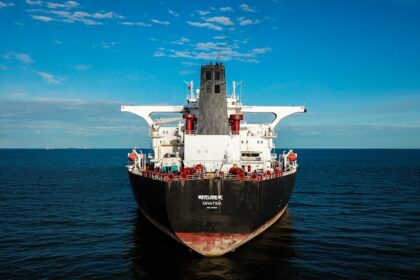
As of September, a total of 1,225 tankers were sanctioned by the US, UK, or EU, with 560 of these sanctions originating from the US. The Treasury’s initiative could target a subset of 50 to 80 sanctioned tankers that are owned by companies not subjected to sanctions, thereby enabling legitimate operators to restore these vessels to compliant operations.

Market Dynamics
This potential for reintegration comes amid rising freight rates which have attracted interest in shadow fleet tankers. Reports indicate that in 2026 alone, 41 shadow-fleet crude tankers successfully transitioned into compliant trade through October 20, with 68% of these vessels maintaining compliance. This contrasts sharply with the mere 17.5% compliance rate recorded for the entire year of 2025, highlighting a significant shift in the market.
The surge in compliant tanker earnings has been prominent, particularly in the third quarter of 2026, where VLCC freight rates for transport from the Arab Gulf to China averaged approximately $197 per metric ton in September, marking a 77% increase from August figures. This rise underscores the increasing attractiveness of adherence to regulatory requirements in an evolving market landscape.
Behind the Headline
This initiative from the US Treasury reflects a developing strategy to manage the challenges posed by a large number of sanctioned vessels. For operators, the decision to permit the purchase of these tankers may create opportunities to expand capacity and reinforce compliance with international regulations. It will be important for operators and charterers to closely monitor the specific compliance protocols to be established, as these will ultimately determine operational viability. Additionally, industry stakeholders should be alert to further developments and potential increases in freight rates as the market adjusts to the reintegration of these vessels.