On September 12, 2026, Russia executed a significant airstrike on the Ukrainian port city of Odesa, further complicating shipping operations in the Black Sea. This action comes amid a backdrop of escalated military engagement between Russian and Ukrainian forces, disrupting the export of essential commodities, particularly grain. Reports indicate that Russia launched a combination of sea-launched cruise missiles, ballistic missiles, and drones, targeting civilian and military infrastructure.
The Incident
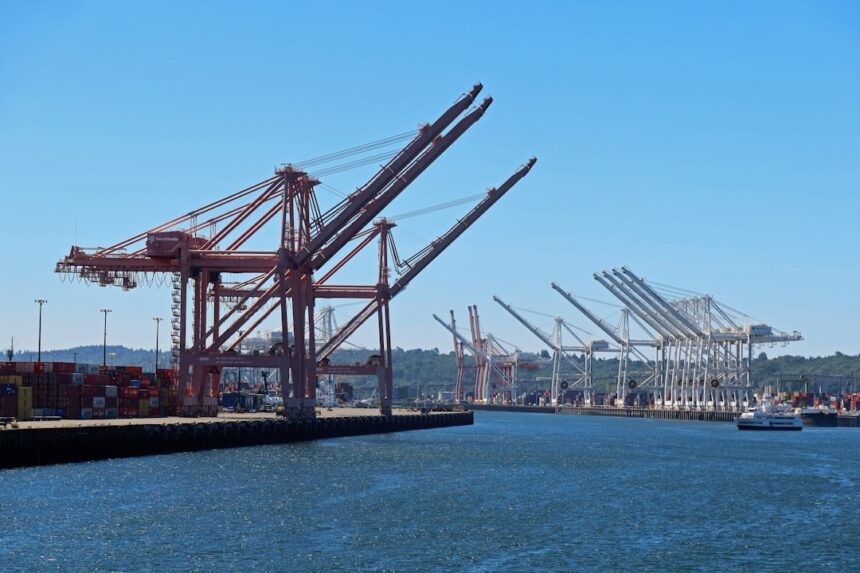
According to the General Staff of Ukraine, the military indications suggest that Russian forces deployed over 129 drones during this aggression. Ukrainian air defenses managed to intercept or neutralize approximately 110 of these aerial threats. Local authorities reported at least 17 injuries and significant damage to residential buildings in Odesa, illustrating the impact on civilian life and infrastructure.
Ukraine’s response included strikes against industrial targets purportedly linked to Russian military production, particularly in the Samara region, emphasizing the ongoing tit-for-tat nature of the conflict. The situation has led to heightened fears among shipping operators regarding the safety of navigation in the Black Sea, which has historically been a vital corridor for grain and other exports.


Market Impact
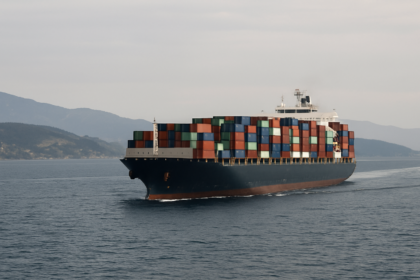
The Black Sea has seen a marked decline in shipping activity due to the escalating frequency of military strikes. As a direct consequence, the movement of crucial commodities, including wheat and fertilizers, has been severely affected. This disruption is causing shipping costs to rise, as operators grapple with the additional risks posed by aerial and maritime hostilities.
Reports from various sources indicate that the conflict has prompted operators to explore additional safety measures, including increased maritime insurance costs and potential rerouting options. The ongoing disruptions have also raised concerns over grain supplies in international markets, where Ukraine has been a major exporter.
Operator Response
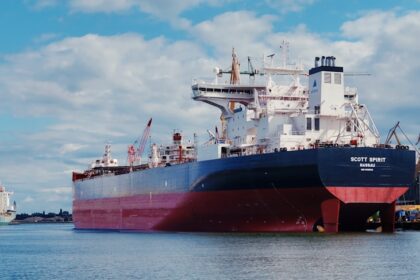
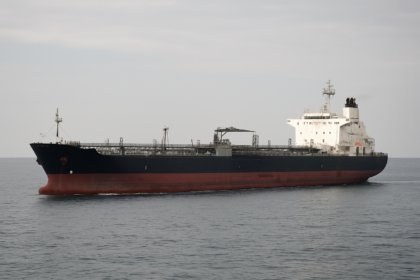
Shipping companies are now reassessing their operations in light of the heightened risks associated with traversing the Black Sea. The presence of military actions and the reciprocal nature of these strikes create an environment fraught with uncertainty for both commercial vessels and their crews. Stakeholders are closely monitoring the situation, with particular attention on any developments related to maritime safety protocols and insurance premiums.
The Operational Read
The recent airstrikes in Odesa exemplify a critical escalation of hostilities that directly impacts operational protocols for shipping in the Black Sea. The risk of collateral damage, particularly to commercial vessels and port facilities, poses a significant challenge for operators who must prioritize the safety of crews and cargoes. This evolving security landscape necessitates a comprehensive review of risk management strategies, including potential contingency plans for rerouting. The resilience and adaptability of shipping operators will be pivotal in navigating this uncertain environment and ensuring the continuity of essential commodity flows.