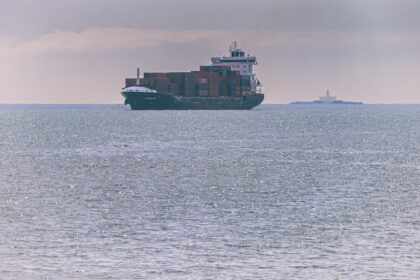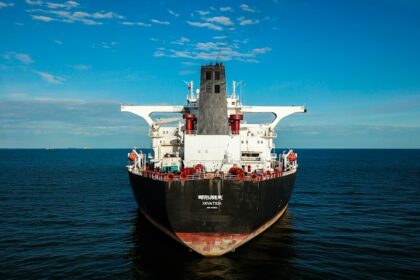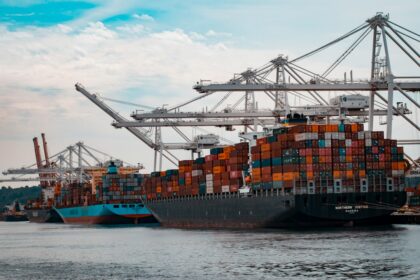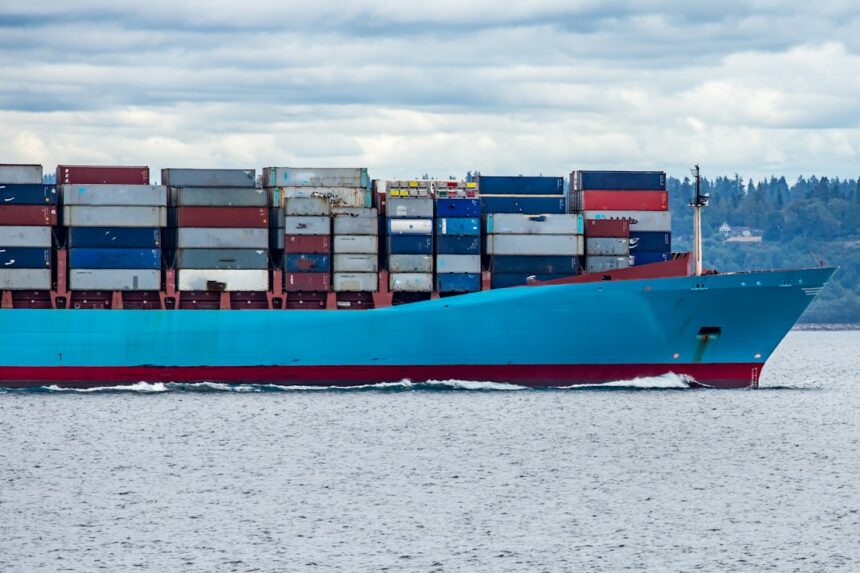
The US military disabled the M/V Pacific Archer, a Palau-flagged commercial vessel, as it attempted to breach a blockade imposed by the US on Iran. This action, taken on November 26 in the Gulf of Oman, followed multiple warnings to the ship after its departure from Bandar Abbas.
The Incident
According to US Central Command (CENTCOM), military aircraft employed precision munitions to strike the stern of the vessel, effectively immobilizing its propulsion system. Reports indicate that the civilian crew onboard remained unharmed during the operation. This incident marks a significant escalation in maritime security actions since the US reaffirmed its naval blockade against Iranian ports earlier this year.
Iran’s Response
In the wake of this military action, Iranian officials have reaffirmed their commitment to maintaining control over the Strait of Hormuz. Mohammad Mokhber, an advisor to Iran’s Supreme Leader, declared that the strait would not be reopened, and efforts to break the US embargo would continue. He emphasized the Iranian stance against the blockade, asserting that “neither will the Strait of Hormuz be reopened, nor will we allow the blockade to remain in place.”

Market Implications
The strategic Gulf of Oman is a critical transit route for global maritime operations, particularly for oil and gas shipments. As US and Iranian military activities intensify, shipping operators face amplified risks, leading to potential increases in war-risk premiums for vessels operating in the region. The US’s Task Force Iron Gate is designed to ensure compliance with sanctions and restrict the movement of arms and materials, thereby heightening scrutiny of commercial vessels.
The Operational Read
The challenges for operators in this region are multifaceted, with heightened military actions impacting safe navigation and commercial viability. The disabling of the M/V Pacific Archer serves as a stark reminder of the operational risks present in waters adjacent to Iran. Operators must now more than ever consider alternative routes and the potential for rerouting shipping as military tensions unfold. Vigilance and adaptability will be paramount, as ongoing geopolitical unrest has the potential to disrupt supply chains and escalate operational costs in the short term.