On November 28, the International Tribunal for the Law of the Sea delivered a notable ruling, rejecting Argentina’s bid to stop British-authorized oil drilling near the disputed Falkland Islands. The tribunal’s vote was decisive, with 18 votes in favor of allowing the Sea Lion project to proceed, while only 3 votes supported Argentina’s position.
The Legal Context
Argentina had sought provisional measures to suspend all oil exploration activities around the Falklands, which it claims as the Malvinas. However, the tribunal ruled that halting the Sea Lion project could significantly impact the economy of the Falkland Islands, which have a population of approximately 3,660 people, largely of British descent. The tribunal’s president, Maurice Kamga, clarified that the ruling did not prejudice the tribunal’s jurisdiction to address the core issues of the territorial dispute in future proceedings.

Statements from Officials
British Foreign Minister Ed Miliband welcomed the ruling, asserting it protects the rights of Falkland Islanders to utilize their natural resources. Miliband and Attorney General Ellie Reeves called on Argentina to respect these rights and to cease economic pressures against the territory. Conversely, President Javier Milei expressed respect for the tribunal’s decision while affirming that Argentina would continue its fight for sovereignty in accordance with international law.

Implications for Oil Companies
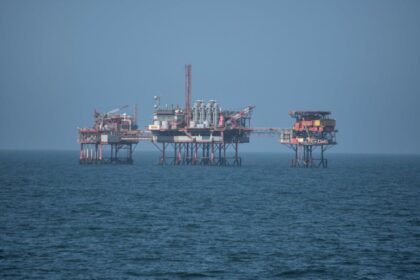
The Sea Lion project, developed by Navitas Petroleum and Rockhopper Exploration, continues to face scrutiny amidst Argentina’s intensified legal and political efforts. Major oil services firm Halliburton recently declared it would not participate in the Sea Lion project. In September, Argentina initiated arbitration under the United Nations Convention on the Law of the Sea, disputing Britain’s authorization of resource exploitation in territories with unresolved sovereignty issues. This reflects a broader trend of escalating tensions in the region, particularly as Milei’s government advances its sovereignty claims.
Behind the Headline
The tribunal’s decision represents a critical juncture in the ongoing dispute over the Falkland Islands, impacting not only immediate oil exploration activities but also the broader geopolitical landscape in the South Atlantic. For operators and companies involved in the Sea Lion project, the ruling provides a clearer path forward but exposes them to political risks tied to sovereignty claims. Observers will watch closely as Argentina’s administrative and legislative responses unfold, particularly in light of recent U.S. political statements that could influence alliances and support in favor of Argentina’s claims. The evolving situation demands attention from maritime stakeholders involved in oil exploration, as the intertwined legal and economic ramifications will undoubtedly shape their operational strategies in the region.