Update 13 Nov 2026, 10:33 UTC:
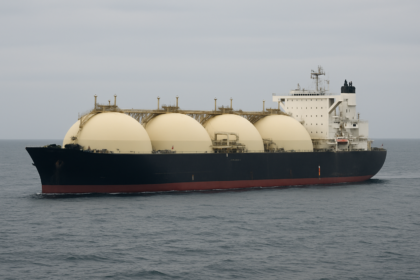
On November 13, 2026, the United Kingdom announced new sanctions targeting 11 ships associated with Russia’s energy exports, marking a significant escalation in efforts to disrupt Moscow’s maritime energy operations. The sanctions include five liquefied natural gas (LNG) carriers, five oil tankers, and a floating storage unit, underscoring the UK’s focus on seaborne oil and gas trade.
Details of the Sanctions
The UK’s latest sanctions not only affect these vessels but also impact nine companies linked to Russia’s energy sector, including prominent entities such as Slavneft and Rosneft’s Vostok Oil project. These measures aim to curtail Russia’s ability to transport energy resources, a critical revenue stream for the nation amid ongoing geopolitical tensions.

Broader Implications
These sanctions come against the backdrop of increasing global concerns regarding energy security and the geopolitical implications of Russia’s actions. By targeting key maritime assets, the UK seeks to apply pressure on Russia’s energy exports, which have been a focus of international sanctions since the onset of tensions in the region. The involvement of multiple vessel types indicates a comprehensive strategy to disrupt the supply chain and diminish Russia’s energy influence globally.
The Operational Read
For shipping operators, the new sanctions may introduce heightened compliance scrutiny and operational adjustments within the energy sector. The targeting of LNG carriers and oil tankers signals an intensified focus on ensuring that maritime routes remain controlled and monitored to mitigate the risk of facilitating Russia’s energy exports. Operators must stay alert to potential interruptions in logistics and shipping schedules, and review contracts for laytime and demurrage implications. Continuous monitoring of the evolving sanctions landscape will be essential for determining the long-term implications for shipping operations associated with Russian energy.