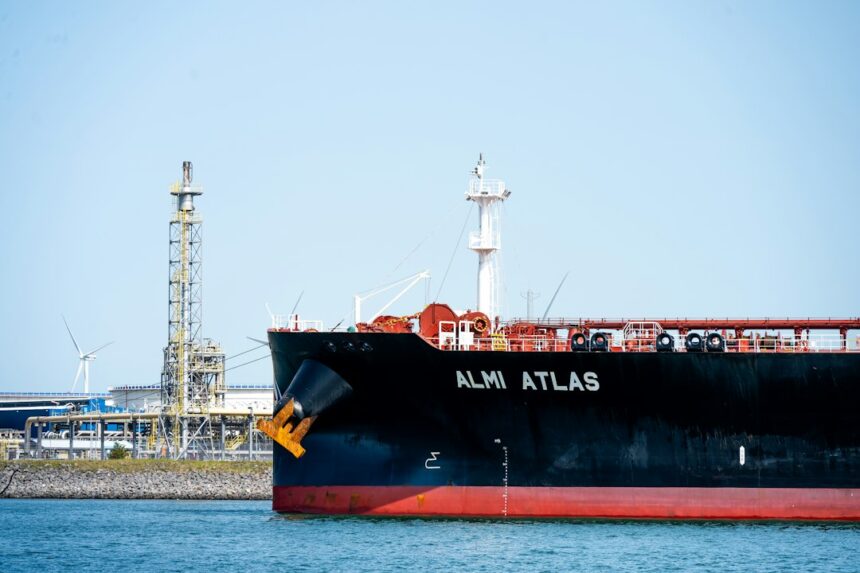
Japan’s government has taken significant steps to mitigate risks associated with oil imports from the Strait of Hormuz. On Tuesday, the Japanese cabinet approved three bills designed to subsidize the additional costs of sourcing oil from suppliers outside this strategically important waterway.
Government Initiatives
The newly approved legislation focuses on diversifying energy imports, bolstering tanker insurance, and financing infrastructure for alternative oil transportation routes. This proactive measure aims to enhance Japan’s energy security amidst rising geopolitical tensions in the Middle East, particularly around the Strait of Hormuz, which has long been a vulnerable hotspot for crude oil shipments.
Strategic Context
Japan, heavily reliant on oil imports, has historically depended on the Strait of Hormuz, through which a significant share of global crude oil transits. However, escalating regional instability has prompted the Japanese government to seek ways to ensure a more stable and secure supply chain. By incentivizing imports from alternative suppliers, Japan aims to reduce its vulnerability to disruptions that can arise from conflicts in the region.

The Operational Read
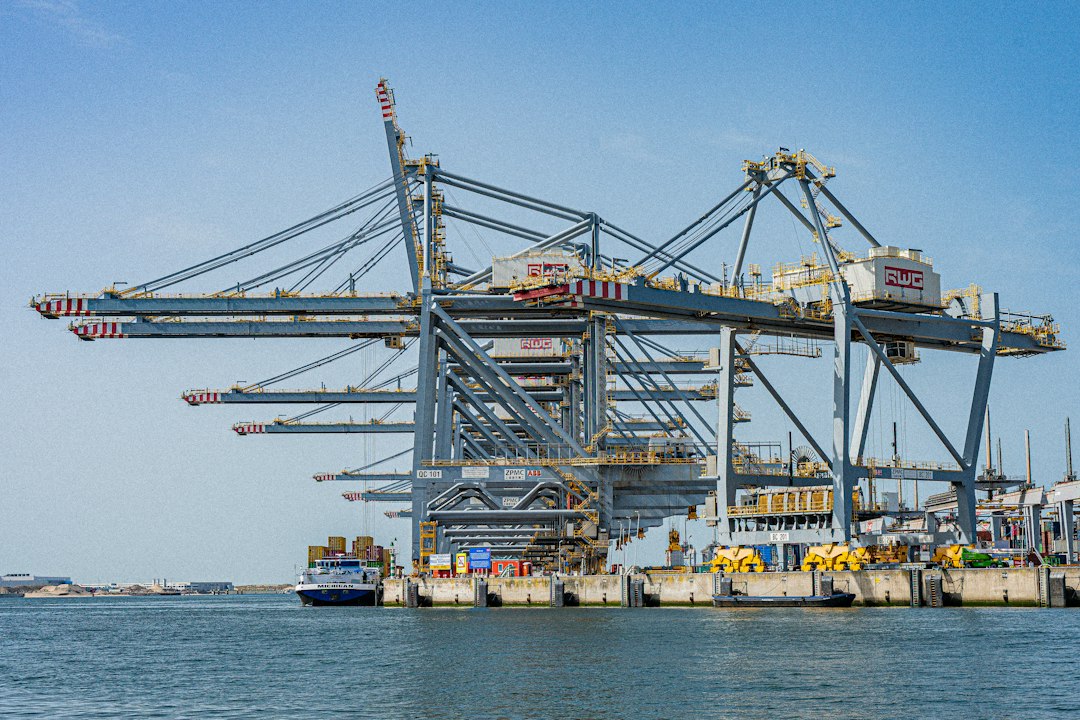
The Japanese government’s initiative to subsidize imports from non-Hormuz sources highlights a critical shift in energy procurement strategies amid evolving geopolitical risks. For operators, this move may result in increased demand for tanker services to and from alternative routes, potentially altering the dynamics of shipping contracts and insurance premiums. As demand for non-Hormuz oil rises, attention will also shift to the infrastructure needed for these routes, including the capacity of ports and terminals to handle increased cargo flows. Stakeholders in the maritime sector should monitor developments closely, as they may lead to longer-term adjustments in global oil logistics and regional supply chains.