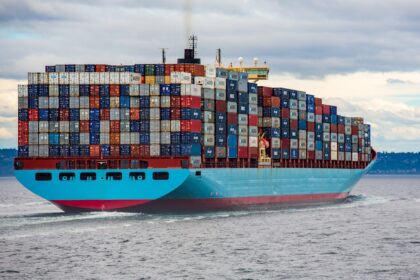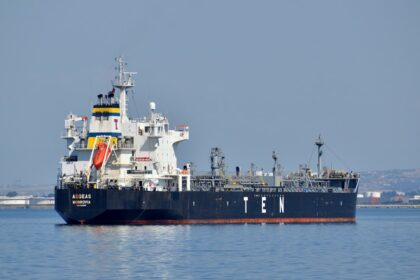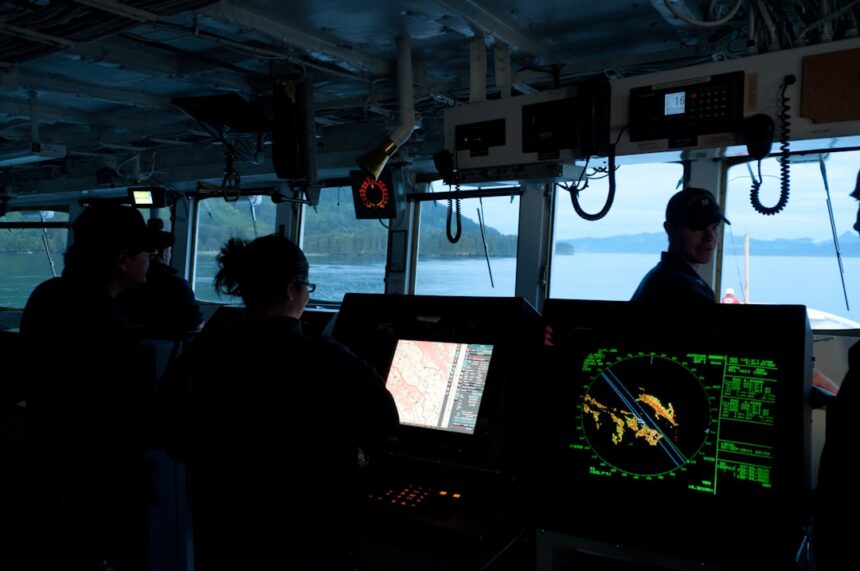
The UK Chamber of Shipping has published a landmark report titled Alternative Fuels: Building the Safety Evidence Base, which marks a significant step forward in addressing the safety considerations for alternative marine fuels. As shipping moves towards net-zero emissions, the report underscores the critical importance of safety and operational readiness in the transition to sustainable fuels.
Overview of the Report
Developed by the Chamber’s Safety of Alternative Fuels Working Group (SAFWG), the publication presents preliminary risk assessments for five key fuel pathways: Battery Energy Storage Systems (BESS), biofuels, methanol, hydrogen, and ammonia. The document emphasizes that there is no singular solution for decarbonizing shipping; rather, a multifaceted approach is necessary to meet varying vessel requirements and operational environments.
Francesco Sandrelli, Policy Director (Environment) at the UK Chamber of Shipping, highlighted that while alternative fuels are progressing from pilot projects to commercial applications, it is imperative that safety standards keep pace with these advancements. He stated, “Different vessel types, trades, and operating environments will require different solutions. What is essential is that the transition takes place safely. This publication is an important step towards achieving that goal.”

Key Findings
The report reveals the necessity for robust design and process safety frameworks to facilitate the commercial deployment of alternative fuels. It points out critical factors such as material compatibility, emergency response preparedness, crew training, and the enhancement of regulatory pathways for these new fuel types. The SAFWG aims to foster a shared understanding of the operational implications of adopting alternative fuels and has involved collaboration from various industry stakeholders, including ship operators, fuel suppliers, equipment manufacturers, and classification societies.
Stephen Brown, Chair of the SAFWG and Technology Manager at Shell Shipping & Maritime, stated, “The breadth of expertise involved in this work has created a valuable resource for operators, designers, regulators, and the wider maritime sector.” The collaborative nature of this initiative is seen as vital for addressing the shared challenges in implementing new fuel technologies.
Collaboration and Future Directions
With participation from over 200 individuals across 50 organizations, the SAFWG has made substantial progress in compiling and disseminating knowledge regarding the safety and operational requirements of alternative fuels. James Helliwell, Vice-Chair of the SAFWG, noted, “Significant work has already been undertaken across the industry to pilot and test alternative fuels, but much of that experience is not widely available.” The insights derived from this report will serve as a clear baseline for understanding potential risks and considerations that will influence future vessel design and operational practices.
As the maritime industry faces evolving challenges during the transition to sustainable energy sources, the SAFWG’s publication stands out as a vital resource, fostering increased collaboration and advancing safety standards across the sector.
Why It Matters
The successful transition to alternative marine fuels hinges on robust safety measures that align with emerging technologies. For ship operators and charterers, understanding the associated risks and safety requirements is essential to ensure compliance and operational efficiency. The report not only identifies current knowledge gaps but also emphasizes the importance of crew training and preparedness in mitigating potential hazards. As the industry continues to innovate, close attention to safety regulations and operational standards will be indispensable in facilitating a smooth shift towards decarbonization, enabling shipping to meet future environmental mandates effectively.