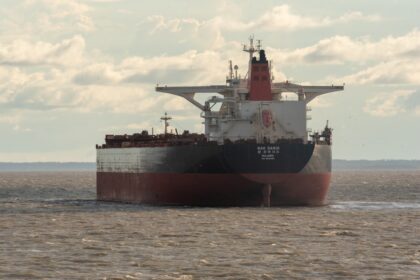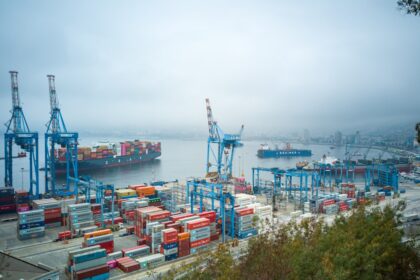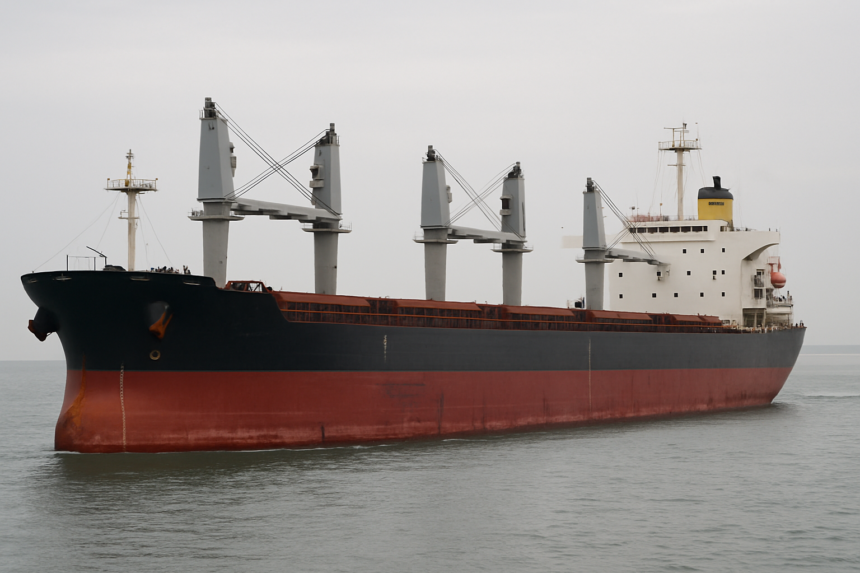
Fortescue’s shipping division has introduced significant changes to its fleet procedures following an incident involving the FMG Nicola, which lost propulsion while departing from Port Hedland, Western Australia, on a scheduled iron ore export operation. The Australian Transport Safety Bureau (ATSB) delivered a final report detailing the circumstances surrounding the fully laden bulk carrier’s main engine shutdown.

The Incident
During its departure, the FMG Nicola unexpectedly experienced an engine failure that resulted in a loss of propulsion. This incident occurred in one of the world’s busiest iron ore export ports, raising immediate safety concerns regarding operational protocols and equipment reliability.
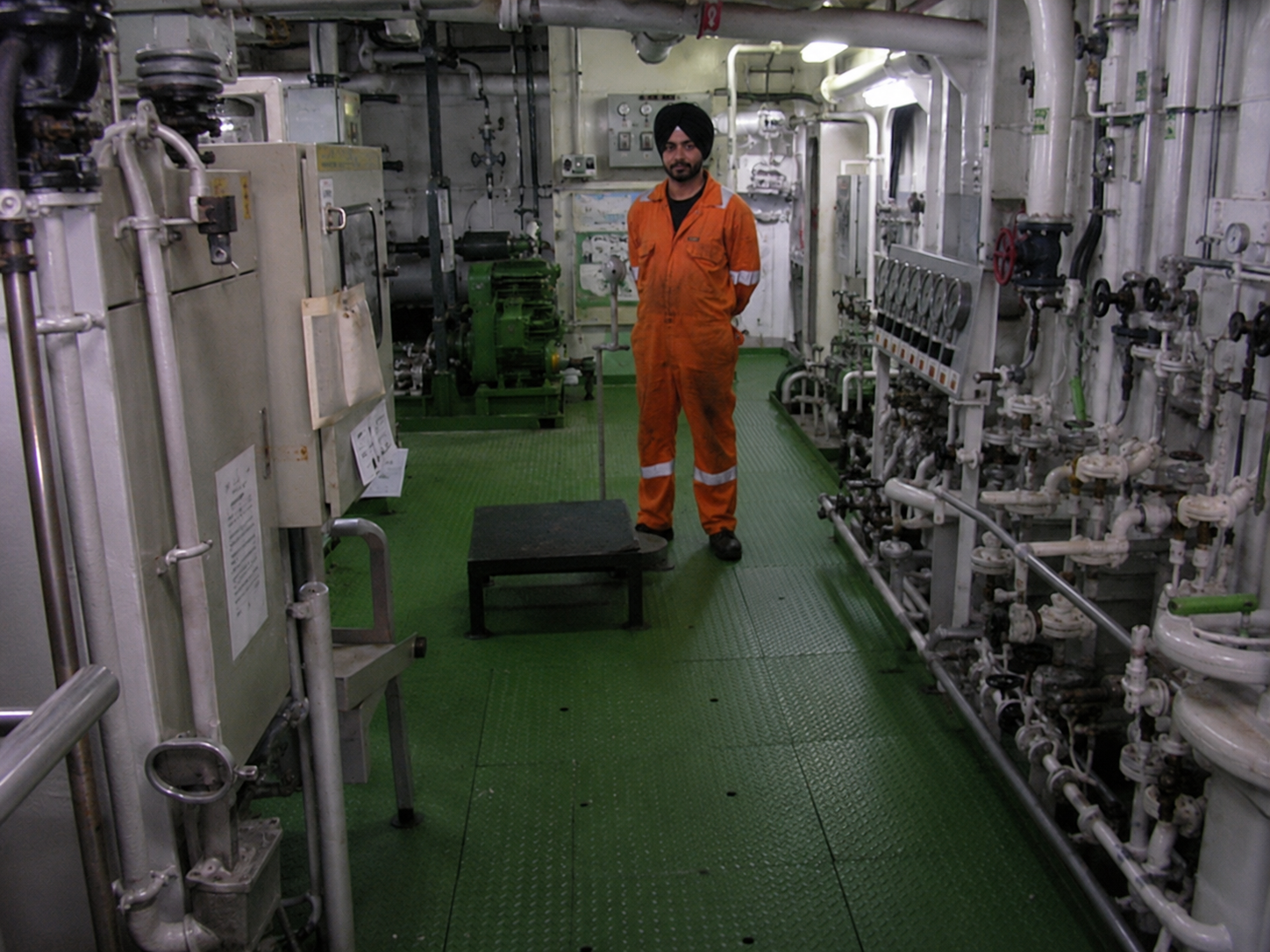
The ATSB’s findings have prompted Fortescue to accelerate its review of engine management practices, with the goal of preventing similar occurrences in the future. The report emphasized that unanticipated engine shutdowns require stringent preventive measures and thorough maintenance checks.

Operational Changes
In response to the ATSB recommendations, Fortescue has issued a fleetwide directive to implement revised engine management protocols. These new procedures are designed to enhance monitoring and maintenance of main propulsion systems across their entire fleet of bulk carriers.
Furthermore, Fortescue’s management aims to improve training programs for crew members regarding engine monitoring and responses to emergencies. This proactive approach is intended to bolster the safety and operational efficiency of its vessels, particularly as they navigate high-traffic ports.
Market Implications
The incident involving the FMG Nicola highlights broader themes within the bulk carrier market, where maintaining fleet reliability is critical for operational success. Operators across the industry may need to reassess their engine management practices in light of this incident, particularly those operating in similar high-risk environments.
As the demand for iron ore continues to be robust, ensuring the uninterrupted operation of vessels is paramount not only for Fortescue but for all stakeholders involved in the supply chain. The pressure to maintain high operational standards is compounded by the ongoing challenges of crew training and equipment reliability.
Behind the Headline
The operational realities following the FMG Nicola incident underscore the critical importance of stringent engine management in bulk shipping. For operators, the implications are clear: enhanced maintenance protocols and crew training can mitigate risks associated with engine failures. Industry stakeholders must closely monitor the effectiveness of Fortescue’s revised procedures, as their success could set a benchmark for fleet operations throughout the bulk carrier segment.