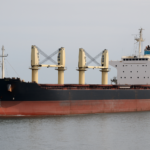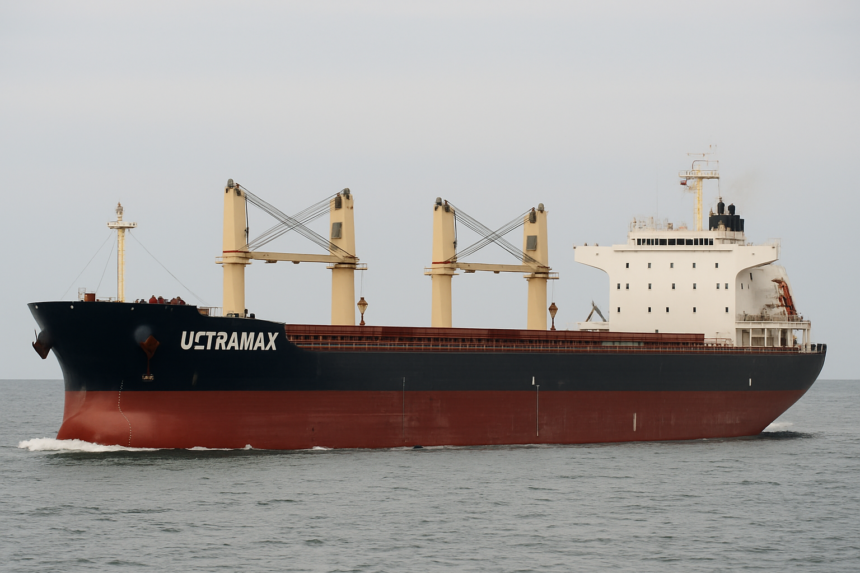
Diana Shipping has secured a new charter agreement with Fednav, a prominent Canadian dry bulk operator, that involves its ultramax vessel, DSI Pegasus. The newly negotiated daily rate stands at $18,350, marking a substantial increase of nearly 30% from prior arrangements.
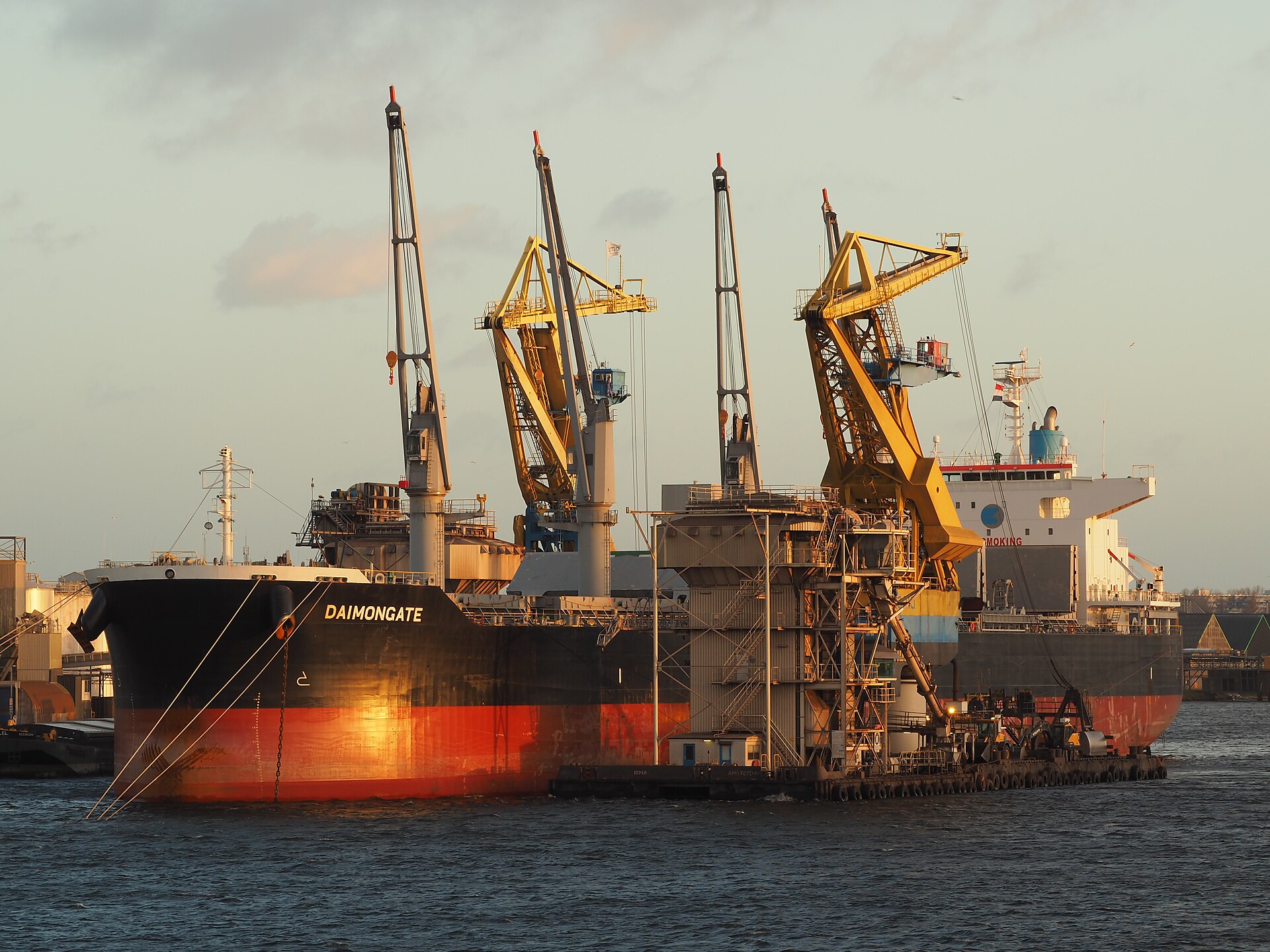
The DSI Pegasus, with a deadweight tonnage of 60,500 metric tons, was built in 2015 and is recognized for its efficiency in the dry bulk shipping market. This charter reflects a noteworthy shift in the dry bulk sector, driven by changing demand dynamics and operational costs.
Details of the Charter
Scheduled to begin on July 27, this charter represents a strategic move by Diana Shipping to enhance its revenue streams. The rate of $18,350 per day is before the deduction of a 5% commission, increasing the vessel’s earning potential significantly. This adjustment fits into a broader trend within the shipping industry where charter rates are increasingly being influenced by the balance between available tonnage and demand.


Market Context
The dry bulk market has shown fluctuations owing to varying export and import demands across key commodities, prompting operators to revisit their charter agreements. By securing this agreement, Diana Shipping not only positions itself favorably in a competitive landscape but also reflects confidence in the vessel’s operational capabilities and market readiness.
Behind the Headline
The significant increase in charter rates for the DSI Pegasus illustrates the adaptive strategies shipping operators must undertake in a volatile market. Higher rates may indicate an improving supply-demand scenario, suggesting that operators are willing to pay a premium for assured capacity as cargo demand fluctuates. Stakeholders should monitor subsequent chartering activities and commodity pricing trends, which may directly impact vessel employment and profitability schemes for further operations.