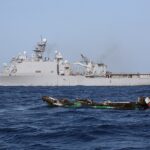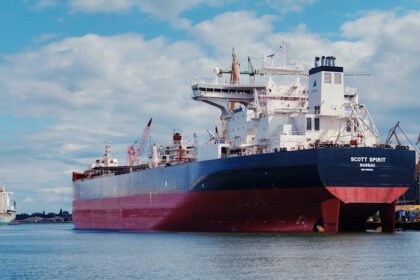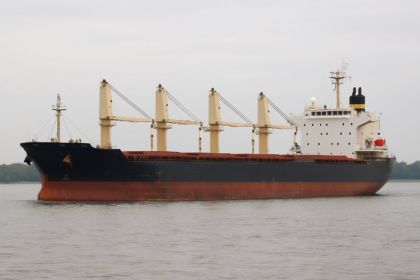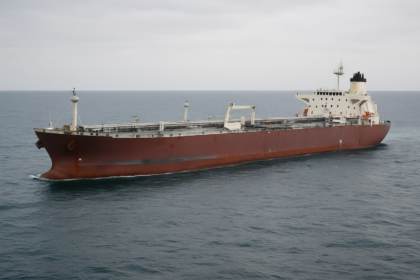
On August 25, President Donald Trump announced that the U.S. Navy had cleared all mines from international waters in the Strait of Hormuz. This declaration came despite warnings from the Joint Maritime Information Center (JMIC), which cautioned that mine danger areas remain active and clearance operations are still ongoing.
In a statement posted on Truth Social, Trump indicated that Iran had been warned that any attempt to deploy new mines would result in immediate military action by the United States. This ‘Zero Tolerance’ policy reinforces the U.S. commitment to ensuring the safety of vital maritime routes.
The Contradiction
However, JMIC’s advisory released the same day presented a different narrative. The advisory highlighted that drifting and uncharted mines continue to pose a threat in and near the traffic separation scheme (TSS) within the Strait, which is one of the busiest maritime chokepoints globally. The center maintained its threat level at ‘SEVERE’ and urged vessels to regularly obtain updated mine-danger coordinates from U.S. Naval Forces Central Command’s Naval Cooperation and Guidance for Shipping (NCAGS).

This discrepancy in information highlights the complex operational environment faced by commercial shipping operators. While the President emphasizes the removal of mines from international waters, the ongoing risk assessment indicates that caution remains necessary for vessels navigating the area.
Commercial Implications
Historically, the Strait of Hormuz is crucial to global oil transport, accounting for approximately 20% of the world’s oil traffic. Disruptions to navigational safety can lead to significant ramifications, including increased freight and insurance costs for shipping operators. As tensions between the U.S. and Iran continue, navigating the Strait has become increasingly complicated. Merchant vessels face threats from both state and non-state actors, requiring heightened security measures and careful planning.
JMIC’s ongoing clearance operations are an acknowledgment of the Strait’s hazardous conditions. With Iran asserting authority over marine movements, the environment for commercial shipping remains precarious. Operators must remain vigilant and adaptable, weighing Trump’s assurances against JMIC’s warnings as they make real-time operational decisions.
The Operational Read
For shipping operators, the current situation in the Strait of Hormuz represents a critical juncture. Although the U.S. Navy’s claim of mine clearance aims to instill confidence, the persistent warnings from JMIC suggest that navigating the Strait remains fraught with risk. Operators must incorporate updated information on mine locations into their transit plans and remain prepared for potential disruptions arising from geopolitical tensions. The operational realities necessitate a comprehensive risk assessment framework to ensure crew safety and cargo integrity in this volatile region.