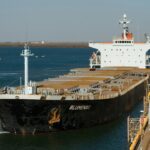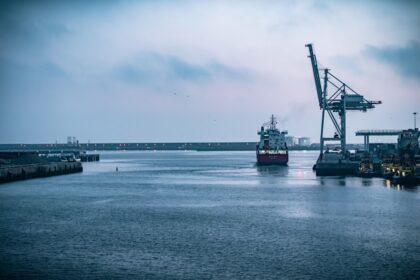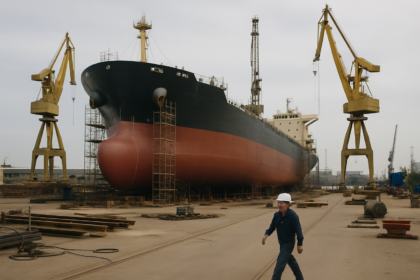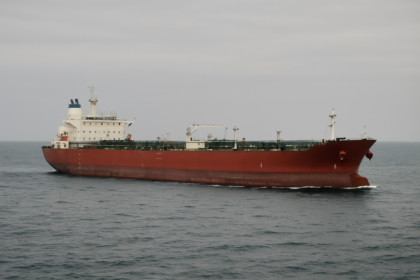


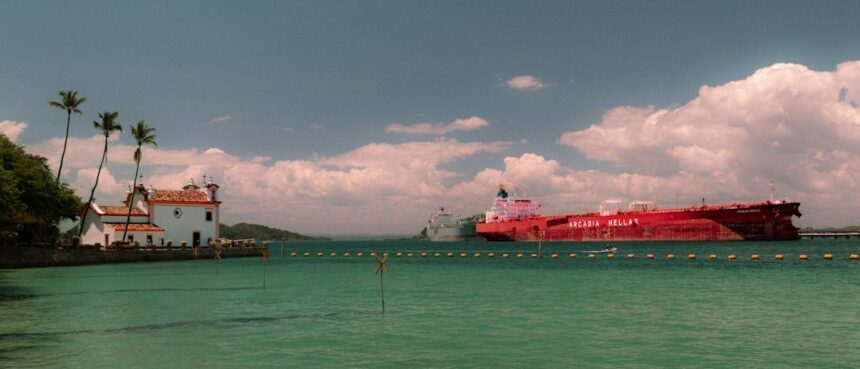
The Trump administration has initiated a plan to allow sanctioned oil tankers to transition into legitimate shipping vessels. Energy Secretary Chris Wright confirmed this strategy during an event in New York, indicating that the U.S. is collaborating with investors to refurbish idled tankers and reintroduce them into the market for transporting non-sanctioned oil. Through this initiative, Wright referred to moving vessels from the ‘bad-guy fleet’ into the ‘good-guy fleet,’ clearly stating that this process does not entail the removal of sanctions but rather the conversion of these vessels for lawful purposes.
The Sanctioned Tanker Landscape
Wright noted the critical context for this decision, emphasizing the impact of the ongoing war in Iran and the effective closure of the Strait of Hormuz on shipping capabilities. With escalating tensions, the U.S. government is pursuing an approval process that aims to integrate a portion of the approximately 1,600 vessels in the ‘dark fleet’ back into legitimate shipping operations. This transition could add dozens or even hundreds of tankers to the active global fleet, easing some supply chain pressures.
Impact on Shipping Costs
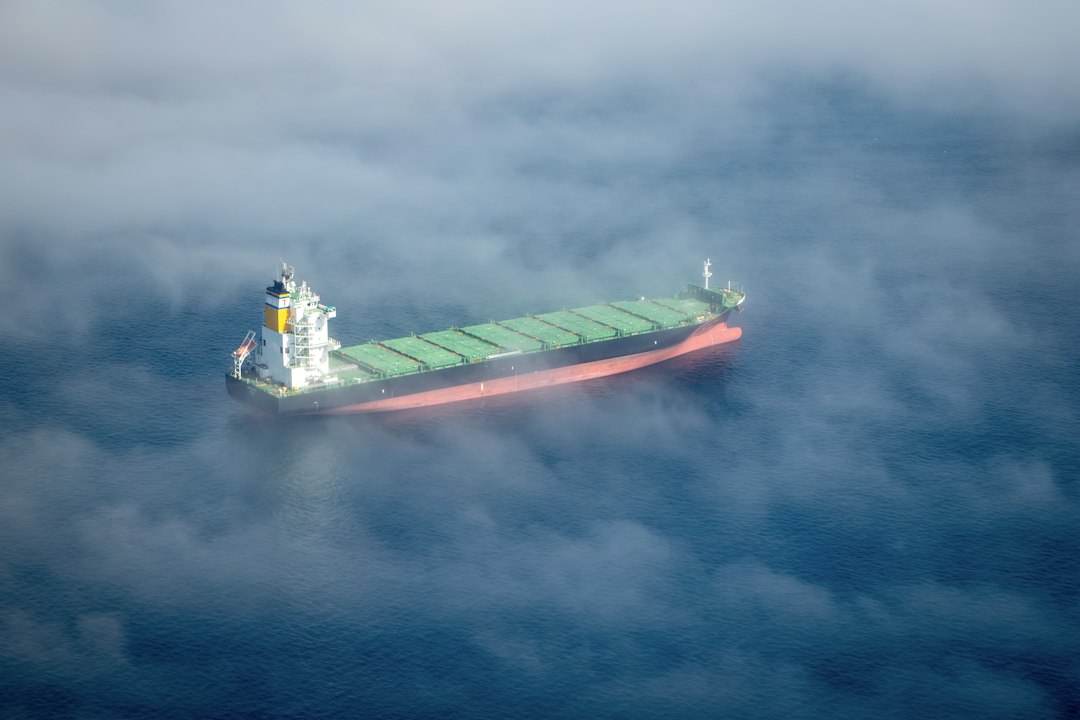
The costs associated with transporting oil have seen drastic increases due to the geopolitical climate. Reports indicate that moving oil from the Persian Gulf to East Asia now commands prices over six times higher than pre-conflict levels. Over 40% of the world’s fleet of very large crude carriers is reported to be either positioned within the Persian Gulf or close to it, further compounding the challenges for operators. As shipping fees continue to rise, the logistics of managing oil supply have become increasingly complex.

Political Context and Future Directions
This initiative also coincides with rising fuel prices, which have become a significant concern for U.S. voters as midterm elections approach. The administration’s focus on converting sanctioned vessels may provide a means to alleviate economic pressures on constituents. In his remarks, Wright further touched upon international relations, highlighting the negotiation dynamics with Russia in the context of diesel supply and broader geopolitical conflicts.
Behind the Headline
The operational implications of converting sanctioned tankers into legitimate shipping vessels reflect ongoing challenges in maintaining a stable oil supply chain amidst geopolitical tensions. This initiative may enhance shipping capacity and potentially stabilize pricing in a volatile market. Operators must remain vigilant regarding the evolving regulatory landscape and the logistics involved in integrating these ships back into mainstream trade routes. As election pressures mount, the balance between political strategy and market stability will be crucial for stakeholders across the maritime sector.