Update 09 Nov 2026, 20:32 UTC:
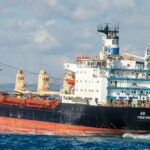
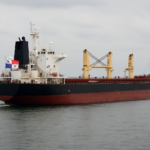
In a significant escalation of military aggression in the Strait of Hormuz, the United States military struck a commercial vessel identified as the M/V Huda after it allegedly attempted to breach the U.S. naval blockade around Iran. According to U.S. Central Command (CENTCOM), this action was taken following the ship’s visit to an Iranian port and subsequent efforts to depart regional waters.
The Incident
The strike involved precision munitions launched from a U.S. military aircraft, resulting in an explosion on the vessel’s stern. CENTCOM released a video showing the aftermath of the incident, emphasizing that repeated warnings to the ship’s civilian crew had been disregarded. The U.S. maintains that its naval blockade is essential for applying pressure on Iran, which has imposed its own blockade that severely impacts vital maritime traffic in the region.

Impact on Maritime Operations
The situation in the Strait of Hormuz is critical, as it serves as a conduit for approximately one-fifth of the world’s oil and gas supplies. The recent blockade by Iran has already led to significant spikes in energy prices globally. Iranian authorities have responded to U.S. actions with threats and fire incidents involving non-compliant vessels navigating its waters, which adds further complexity and danger to shipping operations in the region.
Wider Geopolitical Context
Beyond the maritime incident involving the M/V Huda, tensions in the Middle East continue to escalate. Recent missile attacks directed by Iran-backed Houthi rebels in Yemen towards Saudi Arabian targets have raised alarms. Saudi Arabia reported intercepting missiles aimed at Riyadh, which damaged property of state-owned Aramco but resulted in no casualties. The persistent conflict underscores the broader regional volatility influenced by Iranian activities and proxy warfare.
The Operational Read
The operational environment in and around the Strait of Hormuz is marked by increased risks for shipping operators. The U.S. strike on the M/V Huda illustrates the potential for direct military engagement, making compliance with navigation protocols and local maritime laws even more crucial. Operators should prepare for heightened military presence and potential delays caused by increased inspections or escalated hostilities. Continuous monitoring of developments in regional geopolitics will be vital for navigating these high-risk waters and managing associated operational costs effectively.