Update 10 Sep 2026, 18:35 UTC:
As the situation in the Strait of Hormuz continues to deteriorate, U.S. military operations targeting Iranian maritime assets have intensified significantly. Following President Trump’s broad “Economic D-Day” initiative on August 19 and subsequent military actions, the security landscape within this crucial maritime corridor remains highly volatile.
Escalation of Military Operations
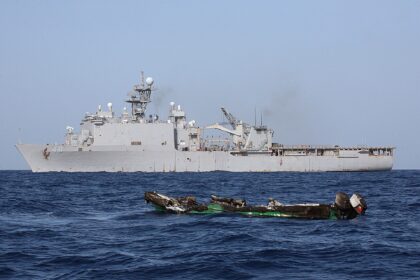
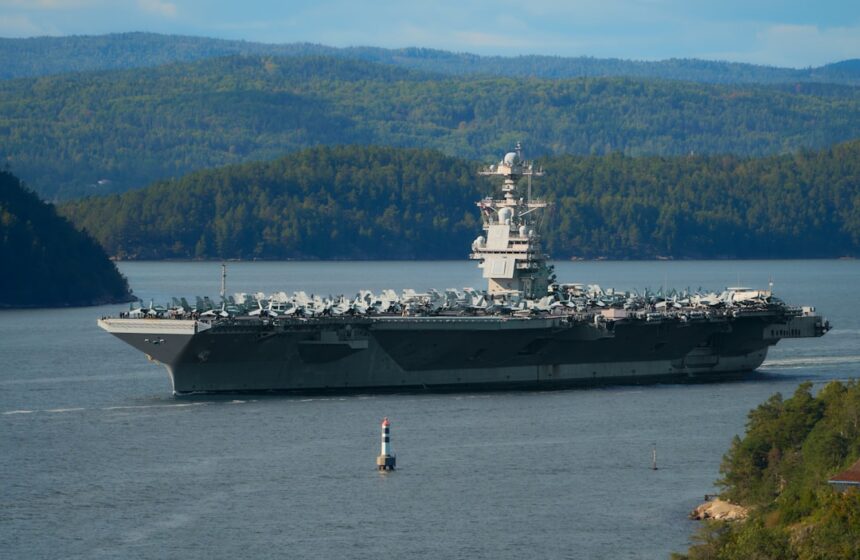
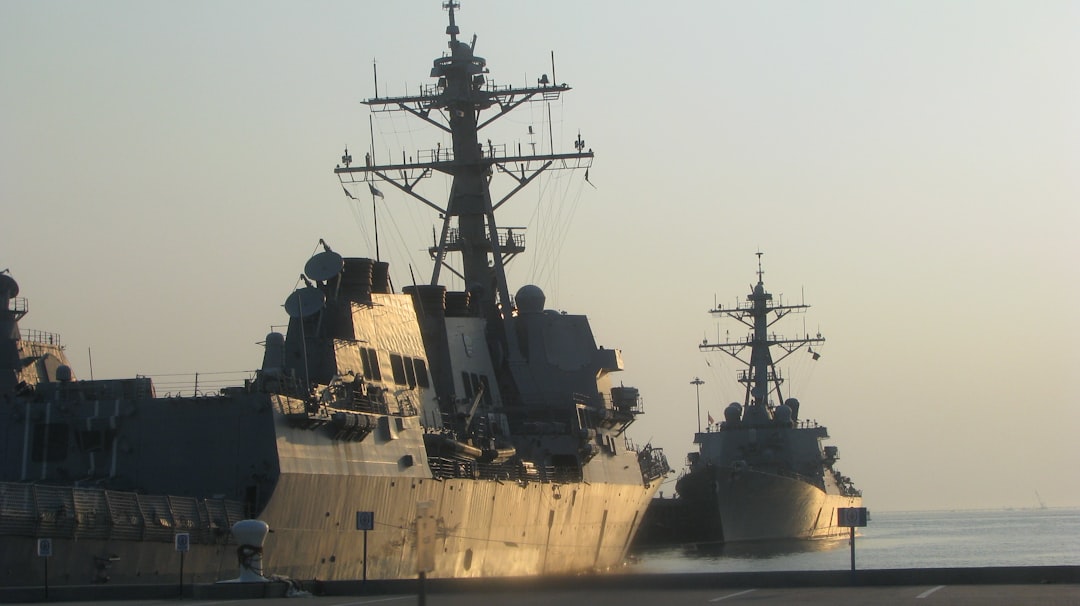
Since reimposing the blockade on July 14, U.S. forces have actively intercepted commercial vessels attempting to transit to and from Iranian ports, resulting in 94 vessels being redirected and 2 boarded for compliance checks. The U.S. response escalated dramatically on September 5 when military forces struck Iranian crude oil carriers in retaliation for missile launches by the Islamic Revolutionary Guard Corps (IRGC) against U.S. Navy ships.

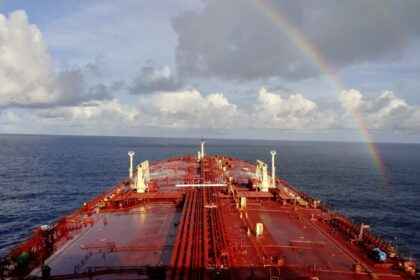
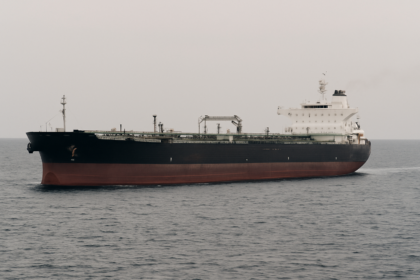
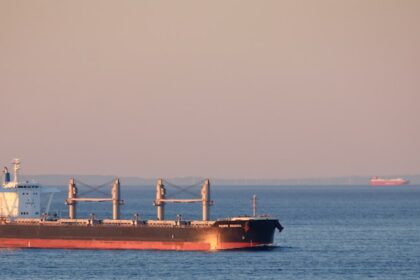
Notable among the recent operations were the disabling of M/T DOWNY and M/T STARK 1, both laden with crude oil, along with the complete destruction of the unladen crude carrier M/T KYLO in the Gulf of Oman. Such operations underscore the ongoing commitment of U.S. forces to counter threats posed by the IRGC and safeguard maritime traffic in the region.
Impact on Shipping and Maritime Safety
The ongoing conflict has resulted in a spike in maritime incidents, with 79 reported since hostilities began. This has heightened safety concerns for commercial seafarers, with the International Maritime Organization indicating 21 fatalities linked to these incidents. For tanker operators, the South Corridor of the Strait of Hormuz has seen fluctuating traffic levels, with data from the Joint Maritime Information Center (JMIC) reflecting an increase in open transits amidst the blockade and military actions.
Following notable incidents at the hands of the IRGC, some shipping firms initially rerouted their vessels, leading to a rise in the measured transit numbers in recent weeks. The JMIC recorded 54 transits on June 24, marking the highest daily traffic since the war’s inception—a tentative sign that operators are beginning to navigate around safety risks despite the persistent threats.
Recent Iranian Threats
The maritime landscape is not only affected by Iranian actions; proximate threats from Houthi forces have led to their declared naval blockade against Saudi Arabian ports since July. While there has been a noticeable lull in Houthi attacks since late August, tensions persist, generating unease among shipping operators in the Red Sea and adjoining waters.
The most recent attack occurred on September 9, as M/T NEW ANDROS was struck by a drone in Iraqi territorial waters, highlighting the persistent threat posed by regional instability to international shipping networks.
The Operational Read
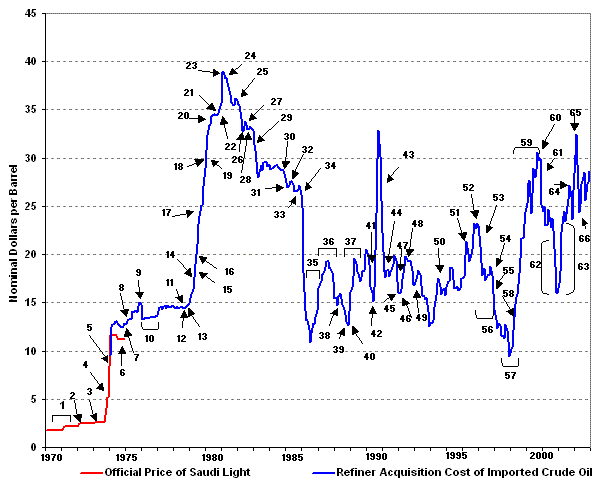
The current operational environment in the Strait of Hormuz reflects acute challenges for shipping companies, with heightened risks due to military engagements and a noteworthy uptick in maritime threats. Operators must remain vigilant, assessing the evolving security landscape and its potential impact on vessel routing and laytime negotiations. The continued volatility will likely lead to increased war-risk premiums, influencing shipping costs and logistical strategies. As operators navigate this precarious situation, the focus will remain on compliance with emerging military directives while ensuring cargo delivery timelines against the backdrop of unpredictable threats.