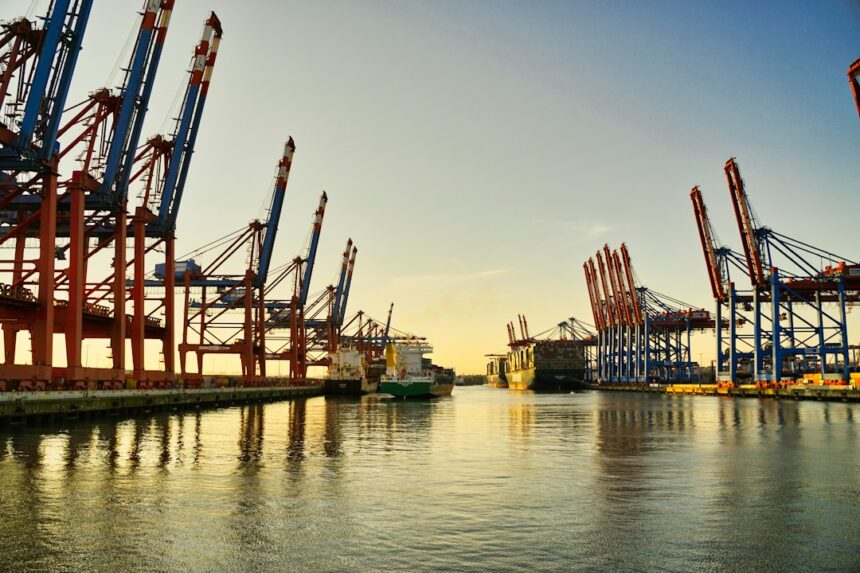
A broad coalition comprising maritime, agricultural, manufacturing, retail, and logistics organizations is advocating for the permanent removal of U.S. port fees applied to China-linked vessels. They argue that reinstating these charges would increase operational expenses, adversely affect exporters, and disrupt global supply chains.
In a letter dated October 30 and addressed to U.S. Trade Representative Jamieson Greer, the coalition expressed support for a proposed two-month extension of the current suspension of the Section 301 vessel fees, set to last until January 9, 2027. However, the signatories, including the U.S. Chamber of Commerce and the National Retail Federation, urge a more decisive action to eliminate the fees entirely.
Impact on Supply Chains
The coalition cautions that reinstating the port fees would exert additional financial pressure on supply chains that are currently grappling with elevated freight rates and equipment availability issues. Given that Chinese-built ships constitute a significant portion of global shipping capacity, the effects of such fees would extend beyond Chinese-operated vessels, influencing costs for American importers and exporters alike.


The letter highlights particular concerns regarding provisions that target foreign-built roll-on/roll-off vessels. These measures could inadvertently impact shipping companies from allied nations and disrupt essential transportation services utilized by U.S. manufacturers. For American importers, the fees could lead to increased transportation surcharges and ultimately higher prices on consumer goods and industrial inputs. Exporters, especially in agriculture and manufacturing, could find American products at a competitive disadvantage in international markets.
Long-term Solutions for Shipbuilding
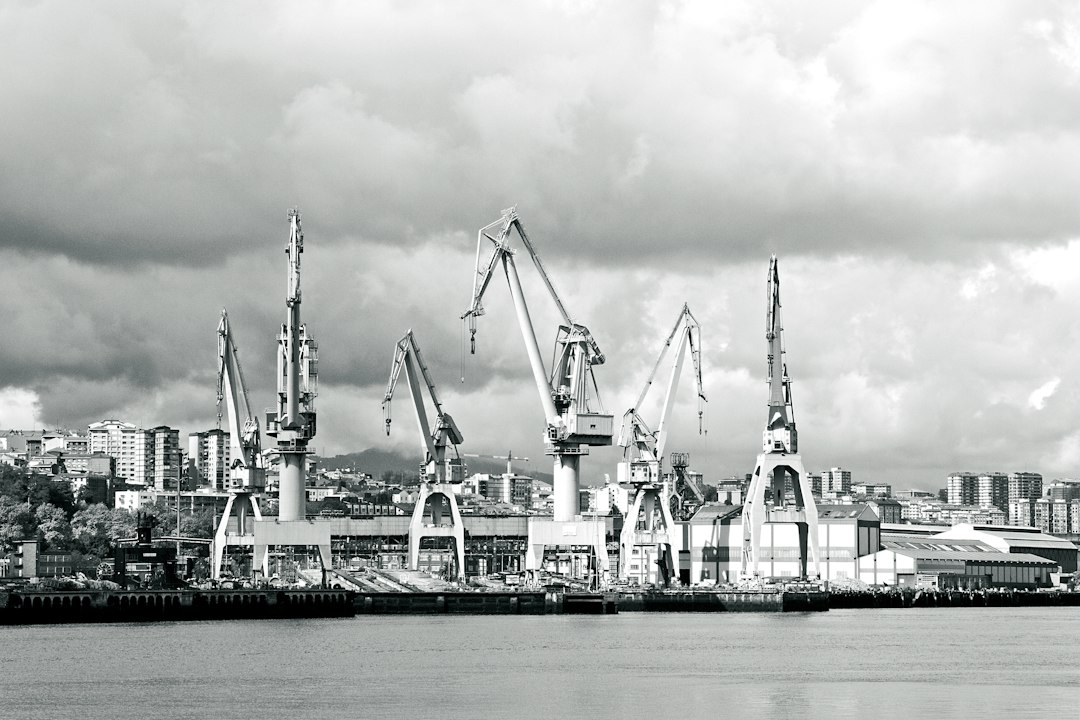
The coalition challenges the notion that the introduction of port fees would meaningfully bolster the struggling American shipbuilding industry. They assert that underlying issues contributing to China’s dominance—such as limited U.S. shipbuilding capacity, workforce shortages, and a lack of competitive alternatives—have yet to be addressed. A call for a dedicated long-term shipbuilding strategy is emphasized, advocating for stable investment and commitment from both public and private sectors.
The World Shipping Council also voices support for revitalizing U.S. shipbuilding but argues that sustained legislative measures, along with workforce development initiatives, would yield more significant outcomes than merely imposing vessel fees.
Industry Response and Legislative Context
This recent push for a permanent suspension follows the Trump administration’s suggestion on October 23 to prolong the fee suspension through early January. These fees were first imposed in October 2025 but were suspended the following month as part of a larger U.S.-China trade agreement. Currently, the suspension is set to expire on November 9 unless the proposed extension is enacted.
Countering the coalition’s position are calls from lawmakers and maritime labor unions, including Senators Mark Kelly and Elizabeth Warren, who argue that such fees are necessary to combat China’s state-backed shipbuilding efforts and foster investment in U.S. shipyards.
Behind the Headline
The ongoing discussions surrounding U.S. port fees illustrate the complexities of international shipping and trade dynamics. For operators, the reinstatement of these fees could translate into increased operational costs, prompting a reevaluation of shipping routes and contracts. Exporters may particularly feel the impact, facing higher costs that could affect American goods’ competitiveness in global markets. The focus on a long-term shipbuilding strategy highlights the broader issue of U.S. maritime capacity, as stakeholders advocate for a sustainable approach to domestic shipbuilding that could enhance resilience against foreign competition. Industry players should monitor developments closely, as negotiations continue to evolve amid changing geopolitical landscapes.