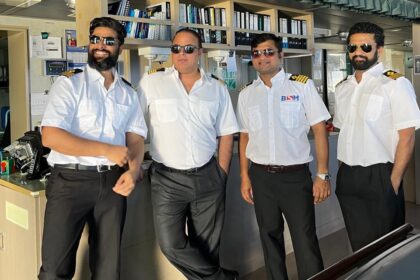
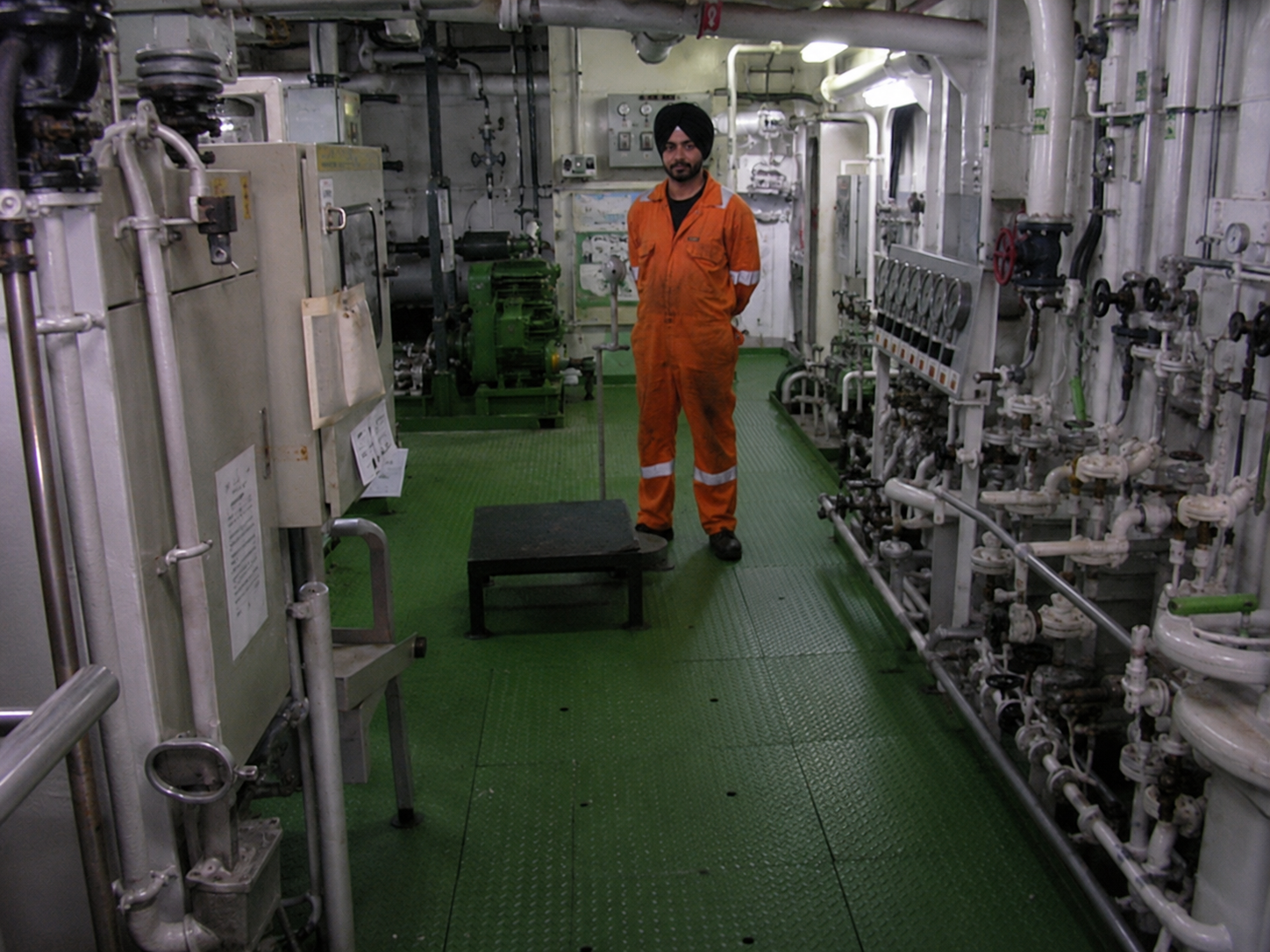
Good day, I am Paramveer, EX Chief Engineer, with 24 years at sea; I last sailed on a product tanker. A young guy told me to share my story with you all, and somehow he convinced me to do it.
I want to tell you about a night I have never told anyone, because I think someone younger needs to hear it.
We were a medium-range product tanker, loaded, heading for a discharge port at coast of Oman, and we were short one engineer. One man had signed off sick, and his relief never came. So the rest of us covered. On paper everyone rested the right hours. In the engine room, we did not. You cannot. The machinery does not read the rest hours rule.
There was a third engineer on board, a young fellow, sharp, honest, the kind who actually reads the manuals. Around two in the morning we had a problem with the purifier, and we were all down there, soaked, tired in that deep way where your eyes burn. And at the end of it he had to fill the work and rest hours record. He looked at me. He knew, and I knew, that the truth would not fit inside the numbers we are allowed to write.


I told him, “Just sign it the normal way.” Three words. He looked at me for a second, then he did it.
I didn’t think about it again for years. Then one day I caught myself, and I rememIbered being a young engineer, years before, when I disagreed with a senior about something small, and he told me to keep quiet, follow orders, that’s how you become a seafarer. I hated that man for it. And there I was, doing the exact same thing to a boy who trusted me.
We talk a lot in this industry now. Safety culture. Just culture. Speak up. Big words on posters in nice offices. But on board, at two in the morning, with a port state inspection coming and a fatigued crew and one missing man, the poster does not help you. The system around us is built to make the lie easier than the truth.
A few contracts later I had another trainee, on an old chemical tanker this time, and the same kind of night came around. Long hours, a job that wouldn’t end, a record to fill. He looked at me with that same tired face, pen ready, waiting for me to tell him what to write. And I told him the truth instead. I said, “Write what actually happened. If anyone has a problem with the real numbers, that’s the company’s problem to fix, not yours to hide.” He blinked like I’d said something strange. Maybe no one had ever told him that. We logged the real hours. Nothing bad happened. The sky did not fall. I should have learned that lesson twenty years sooner, but at least I learned it.
I am not writing this to confess and feel better. I am writing it because that first third engineer is probably a Chief himself by now, and one night he will be standing in front of his own young trainee with a logbook that doesn’t fit, and he will remember what I said to him.
I hope he says something different.
Good seamanship is not keeping quiet. It is having the nerve to say the thing that is hard to say, before it becomes the thing that hurts someone. I learned that too late to use it myself. Maybe one of you reading this can use it in time.