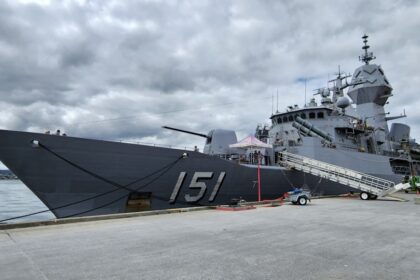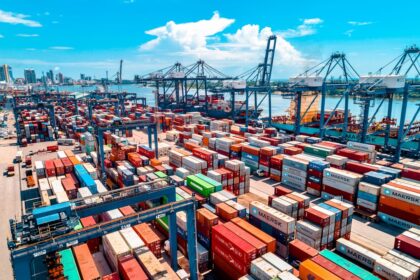
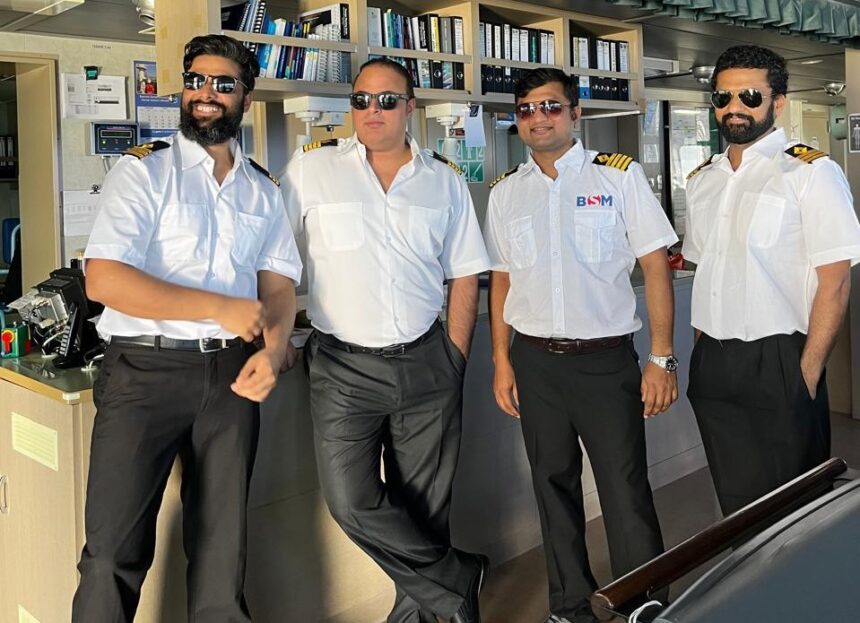
We, as mariners, are trained to deal with storms, machinery failures, accidents, injuries, regulatory compliance, and even the occasional threat of piracy. But nothing in our training prepares us for the moment when a routine trade route suddenly becomes a battlefield.
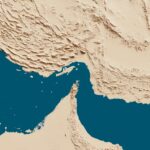
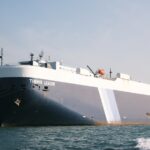
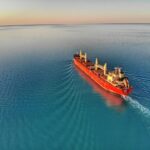
The defining challenge of my career as a Master Mariner came when the Strait of Hormuz was effectively closed, leaving my vessel stranded in the Persian Gulf amid missile interceptions, drone activity, and an increasingly volatile security situation. Overnight, what had been an ordinary commercial voyage turned into an operation where every decision carried extraordinary consequences.
When the Horizon Changed
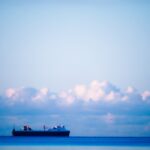
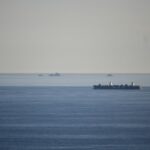
From the bridge, the horizon was no longer just sea and sky. Every radar echo demanded attention. Reports of nearby missile activity and drones transformed routine navigation into a constant exercise in risk assessment.
Commercial shipping depends on predictability. Schedules, routes, procedures, and contingency plans are all built around known risks. Yet here we found ourselves operating in an environment that none of us had trained for—an active conflict zone where uncertainty became the new normal.

Leadership Without a Rulebook
Perhaps the greatest challenge was the absence of practical guidance from ashore.
This was understandable. Shore management teams had never experienced such a situation either. The updates we received focused mainly on fuel, water, food reserves, and operational status, while the responsibility for protecting the ship, cargo, and crew rested entirely with the Master onboard.
In those moments, the bridge became much more than a command centre. It became the place where calm had to be projected, even when certainty no longer existed.
Fighting Fear, Not Just Missiles
The external threats were obvious.
The internal ones were more subtle.
Fake news, AI-generated videos, sensational headlines, and rumours spread quickly among the crew through social media. Stories of attacks, exaggerated reports, and unverified information began affecting morale as much as the conflict itself.
One of my most important responsibilities became filtering truth from speculation. The crew needed facts, not rumours. Leadership required maintaining confidence without ignoring reality, ensuring vigilance never turned into panic.
Managing People Under Pressure
As conditions worsened, manpower became our most valuable resource.
Non-essential maintenance was reduced to minimise unnecessary risks. Emergency preparedness took priority over routine work. Every operational decision was measured against one simple question: Does this improve safety?
At the same time, leadership meant keeping people mentally engaged.
Routine was maintained wherever possible. Responsibilities were delegated carefully. Open communication became essential. Crew members were encouraged, recognised, and reassured that discipline—not fear—would keep everyone safe.
Leadership was no longer about issuing orders. It was about maintaining trust.
The Human Side of Command
Every Master knows that responsibility ultimately rests on one pair of shoulders.
During this crisis, self-leadership became the anchor.
Drawing upon over twenty-five years of sea-going experience, I had to project confidence even during moments of uncertainty. Decisions had to be taken quickly, often without external reassurance, while ensuring the crew remained focused, disciplined, and united.
The experience reinforced an important lesson: the Master’s role extends far beyond navigation. It is about guiding people through uncertainty, even when facing situations no one has previously encountered.
A Lesson for the Maritime Industry
No MBA programme or management course can truly prepare someone for commanding a merchant vessel under missile threats while simultaneously managing misinformation, fear, and operational continuity.
What carried us through was not theory but professionalism, teamwork, and the unwavering dedication of every officer and crew member onboard.
As geopolitical tensions increasingly affect global shipping lanes, the maritime industry must recognise that today’s Masters face challenges extending well beyond navigation and machinery. Training, emergency preparedness, and shore-side support must evolve to address conflict-zone operations, psychological resilience, and the growing impact of misinformation.
Because when the next shipping lane closes and the horizon fills with drones and missiles, leadership alone should not be the only line of defence.