Update 05 Sep 2026, 16:33 UTC:
On Saturday, September 5, 2026, U.S. Central Command (CENTCOM) executed military strikes against three Iranian oil tankers in retaliation for missile attacks launched by the Islamic Revolutionary Guard Corps (IRGC) on U.S. Navy vessels. This incident marks a significant escalation in the ongoing maritime conflict between the United States and Iran.
The Incident
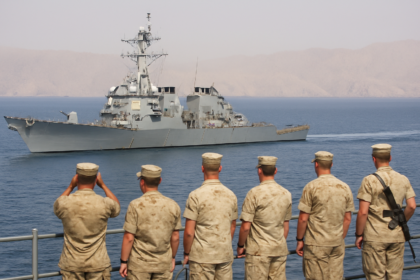
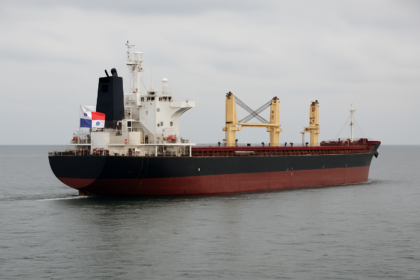
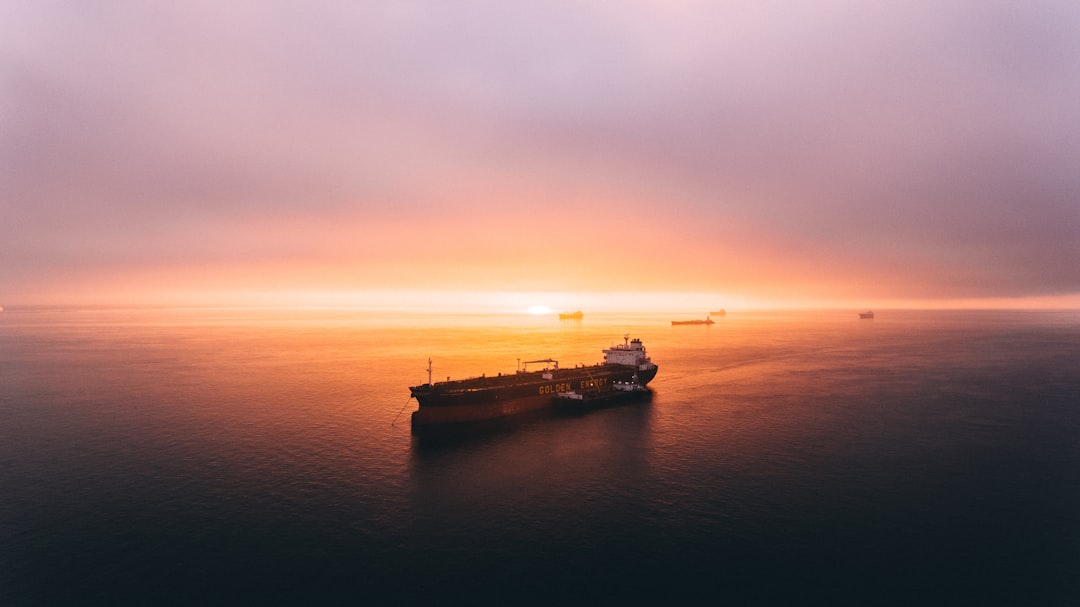
The missile attacks targeted an American aircraft carrier and a guided-missile destroyer operating in regional waters, both of which successfully evaded the strikes without reported injuries to U.S. personnel. In response, U.S. forces targeted the M/T Downy, permanently disabling the vessel off Kharg Island, Iran’s primary oil export hub. The M/T Stark 1 was similarly rendered inoperable near Jask, while the M/T Kylo, also known as Noxen, was destroyed in the Gulf of Oman. This vessel was reported to be unladen, and the crew had abandoned ship prior to the attack.

Strategic Implications
In comments following the strikes, CENTCOM commander Adm. Brad Cooper articulated a firm warning to the IRGC, stating, “If you shoot at two of our ships, we will impose an even higher economic cost—taking out three of yours.” This marks an aggressive stance intended to deter future attacks against U.S. vessels. Defense Secretary Pete Hegseth further elaborated on U.S. strategy, asserting that any continued aggression from Iran would result in the destruction of its oil tankers, leveraging the perceived vulnerability of Iran’s maritime assets.
Market Impact and Operational Readiness
These military actions are set against a backdrop of increased instability in the Strait of Hormuz, a critical transit point for global oil supplies. Shipping operators must prepare for heightened risks and potential disruptions in this vital maritime corridor. Insurance premiums for war-risk coverage are likely to increase as the conflict escalates, compelling charterers and operators to reassess route viability. Additionally, the U.S. military’s demonstrated readiness to target Iranian vessels poses an evolving threat for maritime operators engaged in trade in the region.
The Operational Read
The ongoing escalation between U.S. forces and the IRGC directly impacts operational conduct in the Persian Gulf and surrounding waters. For commercial operators, the risks associated with navigating these waters are rising, prompting a realignment of risk assessment protocols and potential rerouting of vessels to avoid conflict zones. Vigilance and instant readiness will become essential as threats persist. Moreover, the operational dynamics may lead to increased engagement from naval forces, influencing laytime negotiations and demurrage concerns as shipping lanes may be temporarily altered due to military activity. Observers will need to monitor developments closely and analyze the implications for global shipping routes as tensions evolve.