Update 27 Aug 2026, 18:33 UTC:
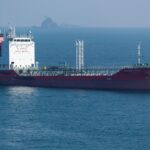
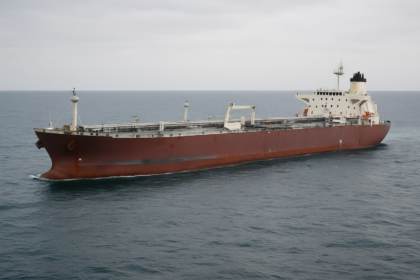
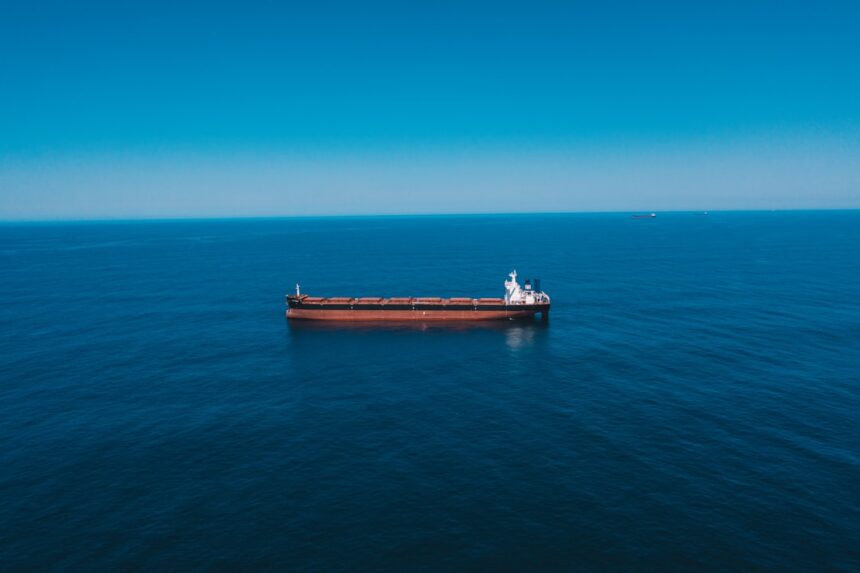
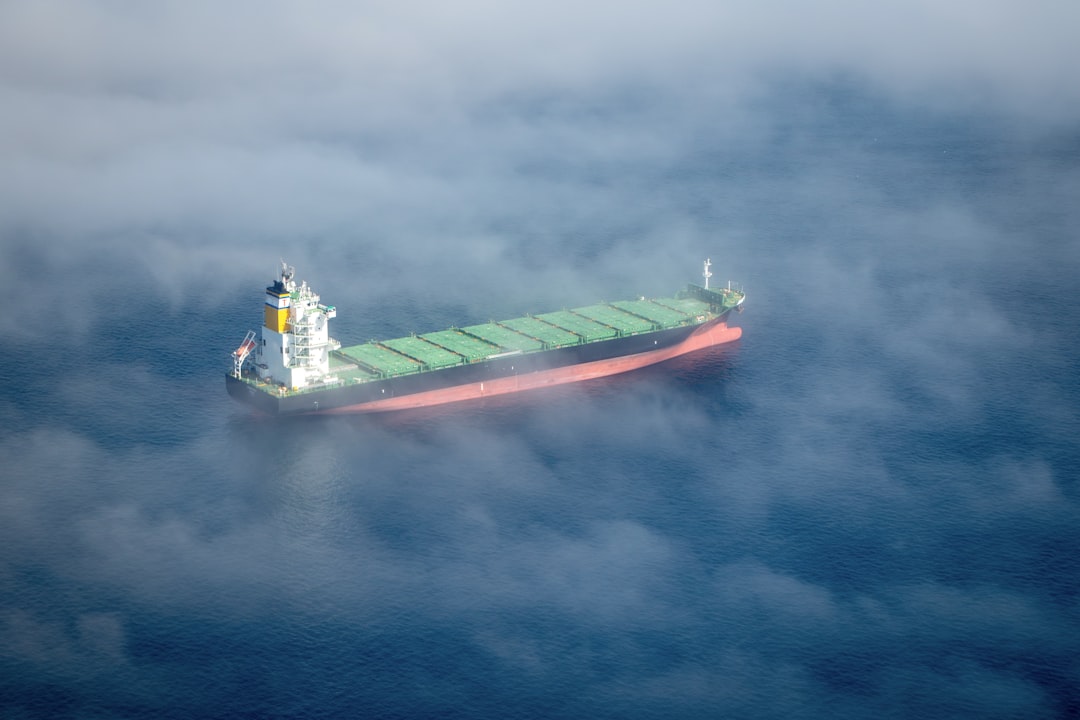
On August 25, 2026, the product tanker AL SALAM II was struck by a projectile while traversing the Strait of Hormuz, close to Khasab, Oman. The incident occurred at 1730 UTC and has prompted Warning 121-26 from the UK Maritime Trade Operations. Initial reports indicate that the projectile impacted just above the waterline, causing a fire which was promptly extinguished by the ship’s crew. Thankfully, all personnel aboard were reported safe, and there were no significant environmental repercussions.
The Incident Details
Following the incident, the AL SALAM II anchored approximately 0.8 nautical miles northwest of Jazirat Tawakkul. Tug assistance is anticipated for any further damage control or to facilitate transit away from the incident area. This event adds to the continuing narrative of risk that commercial shipping faces in the Strait of Hormuz, particularly as the region grapples with renewed tensions and security measures.

Diplomatic Context
The attack comes during a critical moment for diplomatic efforts in the Persian Gulf. Concurrently, President Donald Trump declared a semblance of victory regarding U.S. operations in Iran, with a post on Truth Social stating, “MISSION ACCOMPLISHED 2026.” This declaration follows an earlier announcement regarding the U.S. Navy’s role in mine clearance operations in the Strait. According to the Joint Maritime Information Center (JMIC), there are still identified risks from drifting or uncharted mines that necessitate vigilance from maritime operators.
In a strategic approach to enhance navigation safety, Iran and Oman unveiled a phased proposal aimed at establishing a temporary navigation corridor alongside a joint mine-clearing initiative. These talks are expected to build upon a memorandum of understanding agreed upon by the U.S. and Iran earlier in the year, which lays the groundwork for future maritime governance in the Strait.
Further discussions are underway involving other Gulf states such as Qatar, which are pivotal in developing this framework to bolster navigation safety and manage the ongoing risks associated with commercial transit in the Strait of Hormuz.
Market Impact
Despite the diplomatic engagements, commercial shipping traffic through the Strait of Hormuz remains dramatically below its historical averages. JMIC reports that the region normally sees around 138 vessels per day; however, U.S. data indicated that only 37 U.S.-facilitated transits were recorded on August 25 and 26. This sharply reduced traffic underscores the impact of recent hostilities and the heightened state of alert among shipping operators.
The Operational Read
For maritime operators, the incident involving AL SALAM II emphasizes the persistent security threats that define operations in the Strait of Hormuz. Operators must remain proactive in assessing risk profiles while navigating complex waters, where commercial transit has become increasingly precarious. The ongoing mine-clearance efforts by regional forces will be crucial in determining future maritime safety, but operators should continue to monitor both military and diplomatic developments closely. The interplay between these actors affects not only navigation strategies but also insurance premiums and operational costs in one of the world’s most critical maritime chokepoints.