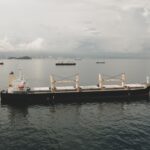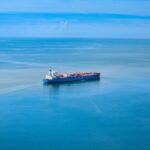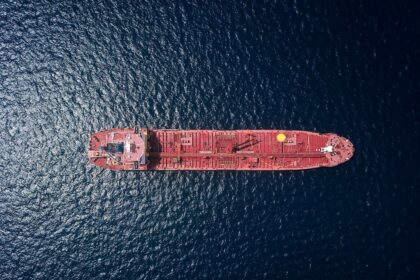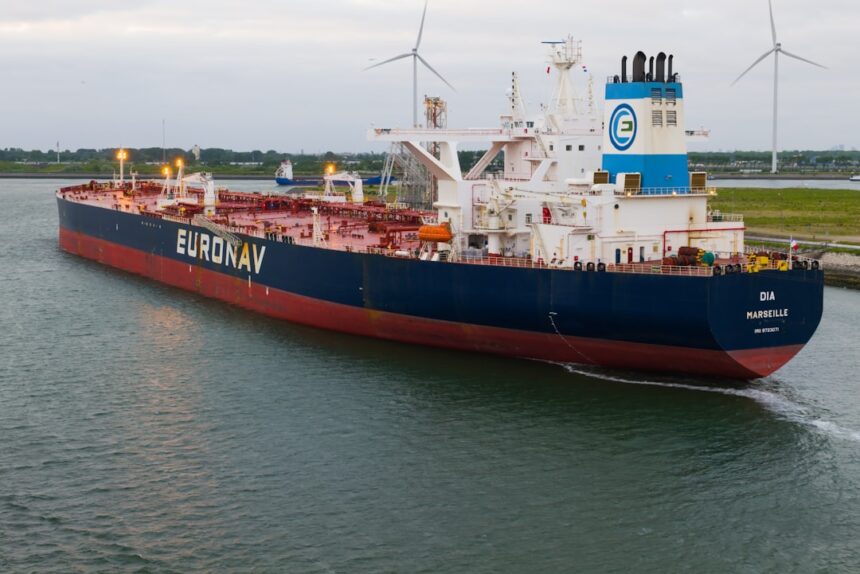
Buana Lintas Lautan (BULL) has expanded its fleet by acquiring the Lady of Doria, a vintage MR tanker built 20 years ago. This recent addition, with a deadweight tonnage of 46,000 dwt, is the fourth MR vessel BULL has purchased in the past four months. The company’s fleet now consists of 13 ships, continuing a pattern of investment in older tanker units.
Strategic Market Positioning
BULL’s recent acquisitions reflect a calculated approach to fleet composition amidst the current tanker market dynamics. These aged vessels, while less technologically advanced, pose lower upfront capital costs compared to newbuilds. This strategy may enhance operational flexibility, especially in a market characterized by volatile freight rates and shifting tonnage demand.
Fleet Growth Trends
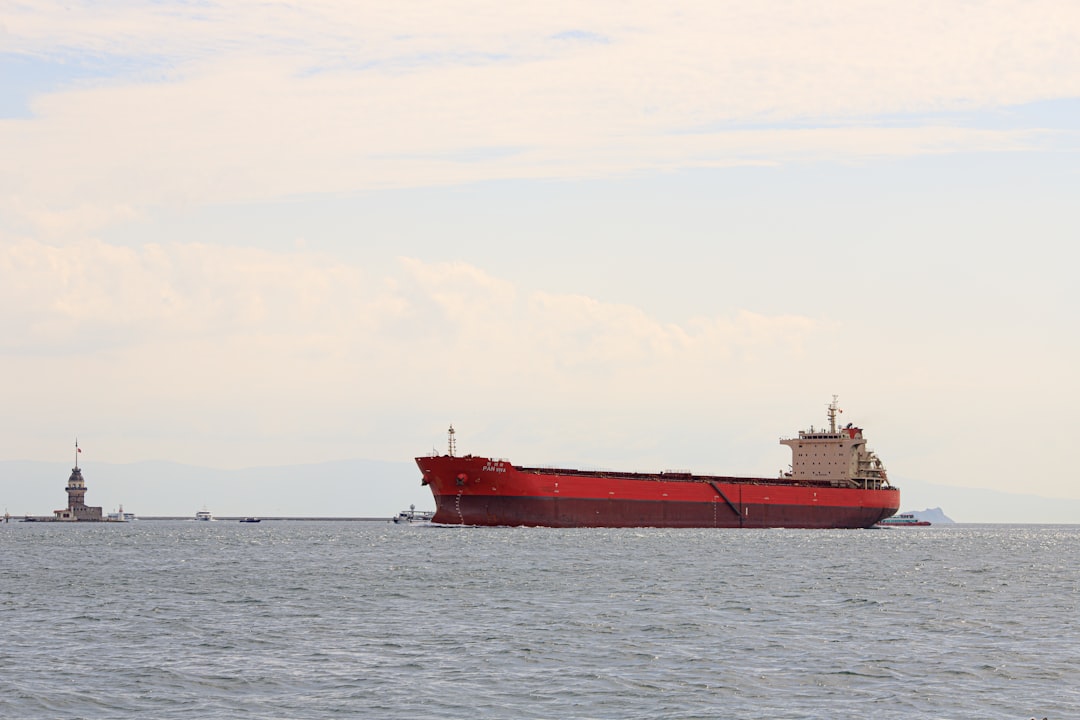
The move to acquire older MR tankers aligns with broader industry trends where operators seek cost-effective solutions to meet evolving transportation needs. As older units like the Lady of Doria continue to serve specific niche markets, their roles can be pivotal for charterers looking to balance laytime against operational expenditures.

Behind the Headline
This acquisition signifies more than a mere expansion of BULL’s fleet. The purchase of aging tankers suggests a deliberate strategy to capture demand in niche segments of the market where older ships can still thrive. In an environment where the global fleet faces pressures from decarbonization regulations and competition from advanced, fuel-efficient vessels, the implications of such acquisitions should be closely monitored. The decision to invest in older tonnage may also influence charter party rates as operators weigh the economic viability of utilizing such vessels against newer, more efficient alternatives. Observers will be keen to see if BULL’s strategy yields sufficient operational advantages in the wake of ongoing market uncertainties.