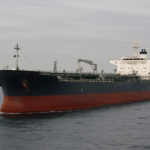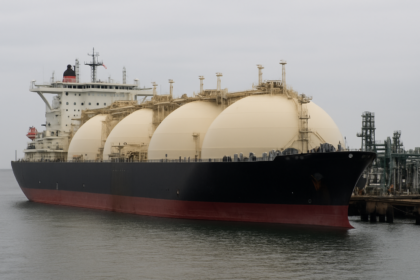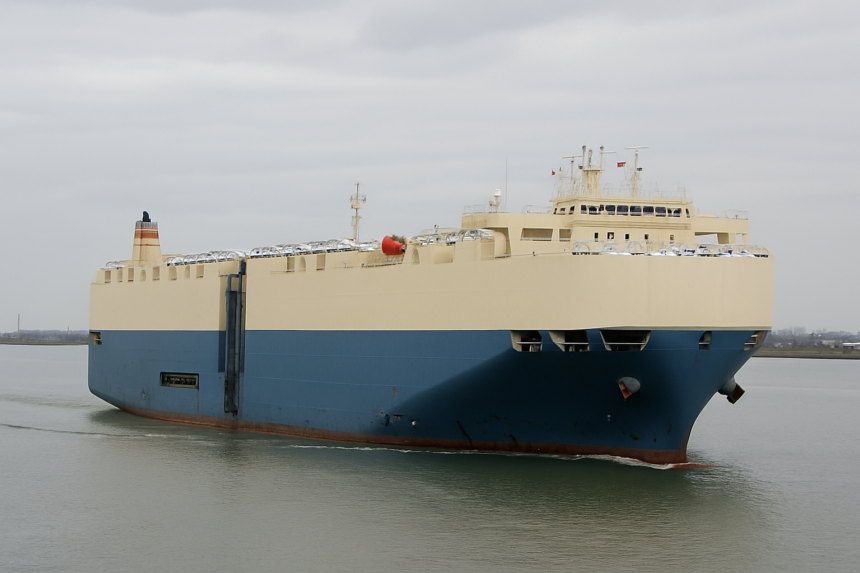
Sallaum Lines has recently ordered the largest vessels in its fleet history, securing a shipbuilding contract with Xiamen Shipbuilding Industry Co., Ltd. (XSI) for a total of four next-generation Pure Car and Truck Carriers (PCTCs), including two firm vessels. Each unit will have the capacity to carry 8,600 Car Equivalent Units (CEU), representing one of the company’s most significant fleet investments to date.
Fleet Expansion Strategy
This new order marks a strategic effort in Sallaum Lines’ ongoing fleet renewal program, following the delivery of its latest LNG dual-fuel ships. The addition of these larger vessels is designed to enhance operational flexibility and capacity, in line with rising demand across established trade lanes including Europe, the Americas, Africa, and the Middle East. Director Hasan Sallaum emphasized that this development reflects the company’s responsibility towards its customers and partners while addressing future market demand.
Environmental Commitment
The dual-fuel carriers will be equipped with engines capable of utilizing Liquefied Natural Gas (LNG), Very Low Sulphur Fuel Oil (VLSFO), and Marine Gas Oil (MGO). Notably, their ammonia-ready designation positions them for future conversion as the green ammonia supply chain evolves, aligning with the International Maritime Organization’s (IMO) 2030 targets and the European Union’s Green Deal. This investment is part of Sallaum Lines’ broader sustainability initiatives, which include the incorporation of LNG-powered vessels into its Ocean Class fleet and the deployment of advanced eco-technologies such as photovoltaic systems and self-polishing anti-fouling paints across its fleet.

Market Implications
The timing of this order coincides with strong structural demand from global automotive manufacturers, bolstering Sallaum Lines’ position in a competitive market landscape. By focusing on sustainability and expanding its capabilities, the company is poised to meet the growing needs of its clients while minimizing its environmental footprint.
Why It Matters
The construction of these new dual-fuel carriers illustrates a proactive approach to balancing operational efficiency and environmental responsibility in the shipping industry. For operators and charterers, the additional capacity and flexibility offered by these vessels will be crucial in adapting to changing market demands and regulatory pressures. The focus on future fuels and technologies not only demonstrates a commitment to sustainability but also ensures that Sallaum Lines will remain competitive as international standards evolve. Shipping companies that invest in lower-emission and adaptable fleets are likely to stand out in a market increasingly influenced by environmental considerations.