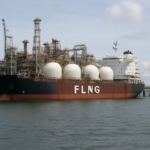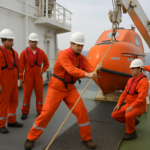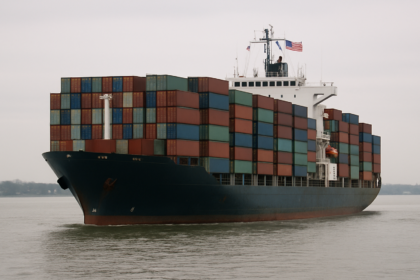
Following the recent signing of a Memorandum of Understanding between the Islamic Republic of Iran and the United States, the International Maritime Organization (IMO) has announced a comprehensive evacuation plan for approximately 11,000 seafarers stranded in the Strait of Hormuz. IMO Secretary-General Arsenio Dominguez expressed satisfaction over the peace agreement, which he views as a crucial step toward enhancing maritime security and ending the attacks against civilian vessels.
The Evacuation Plan
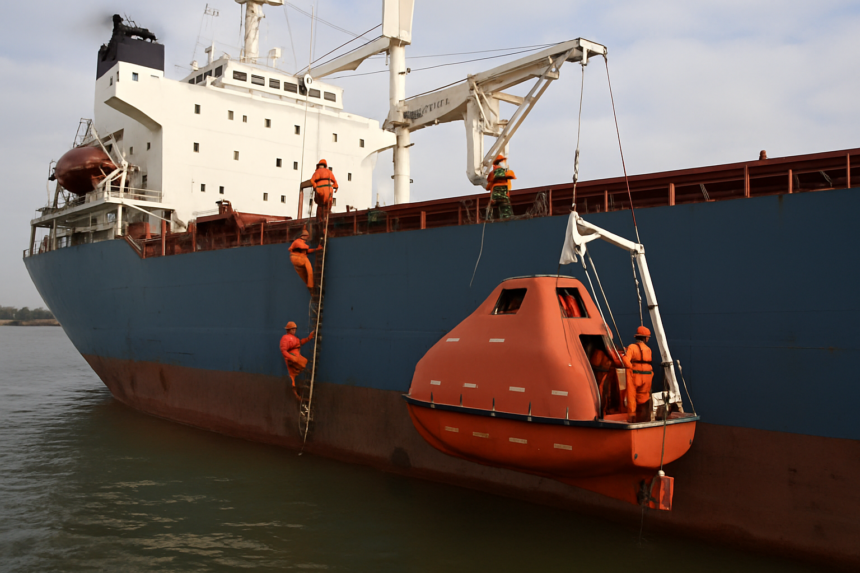
The IMO has initiated a large-scale operation to facilitate the safe evacuation of seafarers affected by the ongoing tensions. This operation will take place with the full cooperation of regional stakeholders, including Iran and Oman, as well as the United States and other coastal states in the region. This collaborative effort aims to improve safety conditions for maritime traffic in the area.
Operational Considerations
Dominguez emphasized the necessity of ensuring seafarer safety and the uninterrupted flow of global trade. The IMO has worked rigorously to secure safety guarantees and verify conditions for safe navigation, essential for supporting the evacuation operations. This level of coordination is critical in addressing the operational challenges posed by the ongoing maritime unrest.

Impact on Seafarers
The ongoing conflict has taken a heavy toll, with the tragic loss of fourteen seafarers who dedicated their lives to maintaining global trade. The IMO’s evacuation plan reflects a commitment to not only restoring normal shipping operations but also honoring the sacrifices made by those in the industry. The emphasis is on reinforcing the maritime community’s resilience amid challenging circumstances.
Why It Matters
This evacuation initiative highlights the vital importance of international cooperation in maritime operations, especially in conflict-prone areas like the Strait of Hormuz. As potential threats to maritime security remain, operators and crews will need to stay vigilant and adaptable in their routing and operational strategies. Moreover, the successful execution of this evacuation could serve as a model for future humanitarian efforts in similar crises, reinforcing the collective responsibility of stakeholders to ensure seafarer safety and the continuity of trade.