Update 23 Nov 2026, 10:35 UTC:
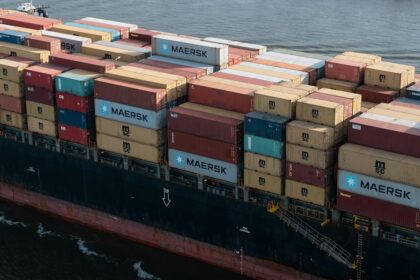
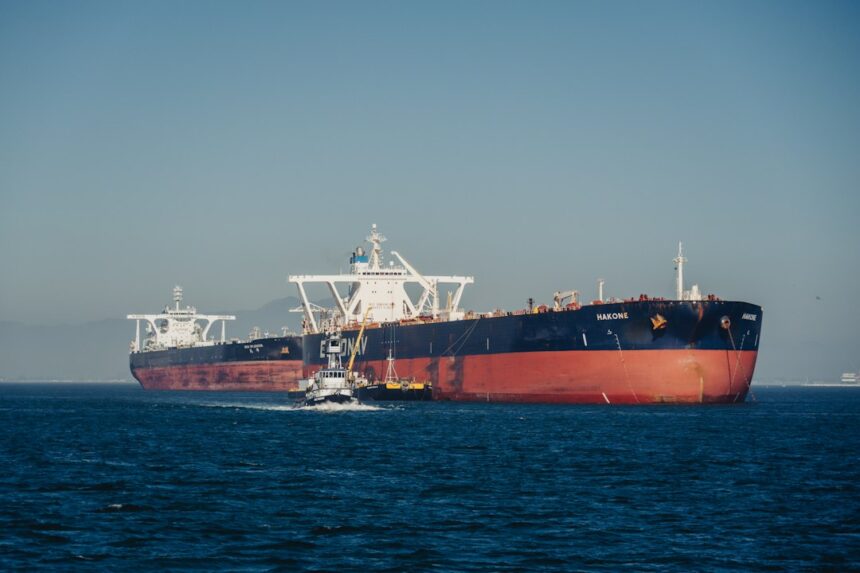
The Shipping Corporation of India (SCI) has announced an ambitious fleet expansion initiative valued at approximately $3.2 billion. This strategic move involves the issuance of tenders for up to 22 new vessels, focusing on gas carriers, tankers, and similar container segments, while also exploring options for secondhand tonnage.
Fleet Expansion Plans
Among the newbuildings, the ambitious plan includes tenders for eight very large gas carriers with a capacity of 88,000 cubic meters, aimed at enhancing India’s LNG transport capabilities. By expanding its fleet, SCI seeks to position itself competitively in the rapidly evolving global shipping landscape, capitalizing on increased demand for energy transportation and logistics.



Market Context
This move is particularly timely as global trade continues to rebound, with shipping demand showing significant resilience in the post-pandemic period. The acquisition of both new and secondhand vessels allows SCI to quickly adapt its fleet to the dynamic market conditions, enhancing operational flexibility. It is crucial for the state-owned enterprise to align its growth strategy with international maritime standards, not only to improve operational efficiency but also to comply with environmental regulations governing emissions.
Implications and Next Steps
By investing significantly in new maritime assets, the Shipping Corporation of India demonstrates a commitment to strengthening its operational capabilities. The upcoming tender outcomes will be closely watched by industry stakeholders, as these decisions can have lasting impacts on shipping routes and logistics frameworks within the region. Furthermore, the enhanced fleet could lead to more competitive pricing and service offerings, benefiting trade partners and contributing to the growth of India’s overall maritime economy.
Behind the Headline
The decision to expand the fleet with the procurement of numerous vessels showcases the Shipping Corporation of India’s proactive approach to securing its position in an increasingly competitive maritime sector. Fleet modernization is essential for maintaining efficiency and meeting both current and future demand. Operators and stakeholders must monitor the developments closely as they reflect broader trends in the industry, including shifts in energy transport and environmental compliance, which could redefine operational strategies for shipping companies across the region.