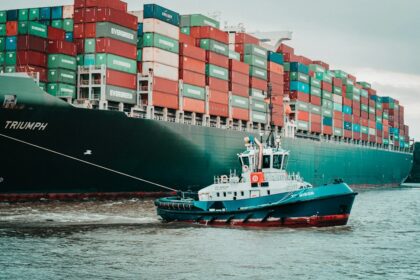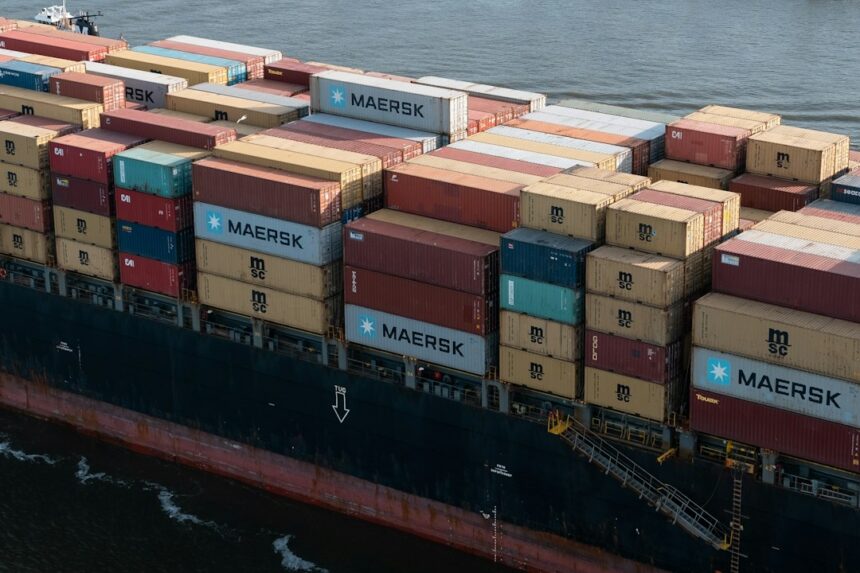
The PanStar Acro, South Korea’s first container ship to navigate the Northern Sea Route, encountered significant operational hurdles during its recent trial voyage, prompting its operator, PanStar, to consider the sale of the vessel. Reports indicate that negotiations for the sale back to its former owner, HMM, are underway as the company faces escalating financial challenges.
The Voyage
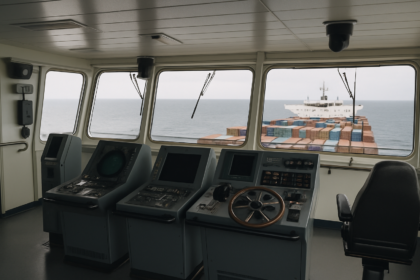
During its journey, the PanStar Acro drifted into substantial ice fields in the Chukchi Sea, particularly near Wrangel Island, on the night of August 31 to September 1. The first officer, Park Ji-jeong, reported a precarious situation where visibility was severely limited, compelling the crew to navigate using radar alone. Faced with a decision to either continue or turn back, Captain Seo Myeong-won consulted with an ice pilot and opted to wait until daylight to better assess the route ahead.
After a delay of approximately three hours, visibility improved, allowing the vessel to proceed. However, the Acro’s AIS track reflected a mere 16 nautical miles of progress during this period, extending the overall transit time by eight hours. Furthermore, challenges included encounters with large ice floes near Vilkitsky Strait and equipment complications due to cold weather, affecting fuel and oil circulation systems.

Strategic Considerations
Despite successfully completing the trial without the aid of an icebreaker, the difficulties faced during the voyage have underscored the importance of operational experience in Arctic navigation. Unlike its Chinese counterparts, which have amassed significant expertise operating container ships in these conditions, PanStar’s efforts indicate a marked learning curve in polar operations.
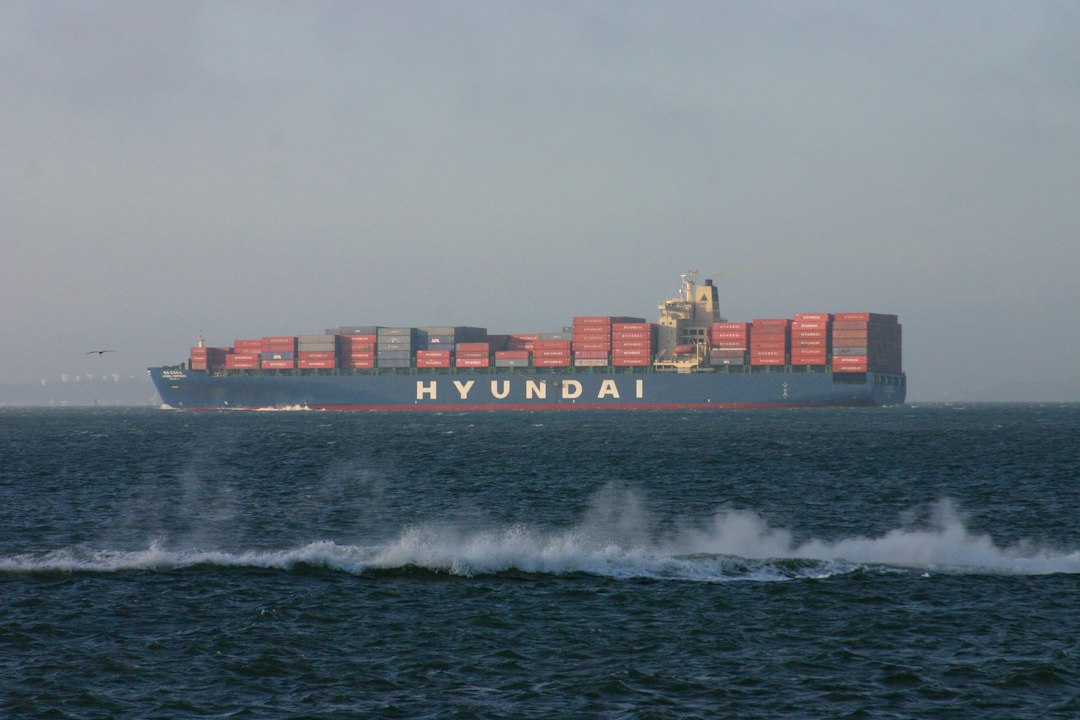
Currently, PanStar is weighing its options for the Acro, including selling or chartering the vessel while potentially seeking a more capable and fuel-efficient ship for future Arctic endeavors planned for 2027. Reports from Korean media suggest that negotiations with HMM, which sold the Acro to PanStar just months prior, are already in motion.
Financial Pressures
The decision to potentially sell the Acro coincides with mounting financial pressure on PanStar. As of 2025, the company reported a debt-to-equity ratio of 336.5% and total borrowings nearing KRW 140.2 billion (approximately $100 million). With such financial metrics, the pressure to optimize resources while ensuring operational viability in challenging environments has never been greater.
Commercially, the voyage’s results fell short of expectations, with the ship transporting only 737 TEU of loaded exports and returning with significantly more empty containers, totaling 1,743 TEU on the return leg. This discrepancy illustrates both the operational risks and economic challenges inherent in Arctic shipping routes.
Behind the Headline
The voyage of the PanStar Acro highlights critical lessons for shipping operators considering Arctic routes. The operational complexities and environmental challenges encountered emphasize the need for extensive navigational experience and robust vessel capability, especially in ice-prone areas. Companies aspiring to participate in Arctic navigation must invest in both advanced vessels and crew training to manage risks effectively. As financial pressures mount for operators like PanStar, the industry will be closely watching how the balance between experience and capability evolves in this emerging maritime frontier.