The ongoing maritime conflict between Russia and Ukraine escalated over the weekend with the sinking of the Russian Navy’s corvette Merkury in Libya’s port of Benghazi, as well as an attack on a sanctioned Russian cargo ship in the Baltic Sea. These developments signal a dangerous expansion of hostilities, which have implications for maritime trade and security across multiple regions.
The Incidents
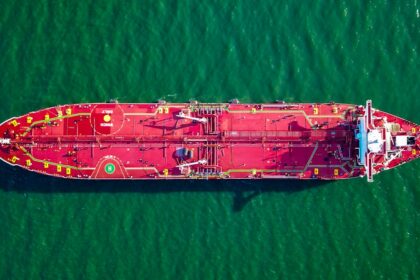
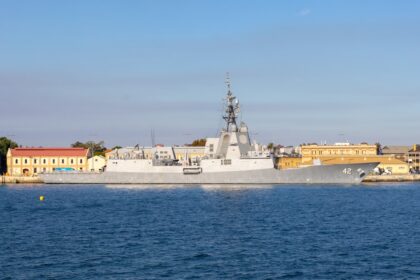
The Merkury, a Project 20380 corvette, was reportedly struck during its operations in Benghazi, further indicating Russia’s naval presence extending well beyond the Black Sea. This attack follows a rising pattern of maritime confrontations, as ships affiliated with Russia are increasingly targeted. Concurrently, a Russian cargo vessel was engaged in an assault in the Baltic, demonstrating the volatility of maritime routes expected to navigate through this area.
Operational Impact
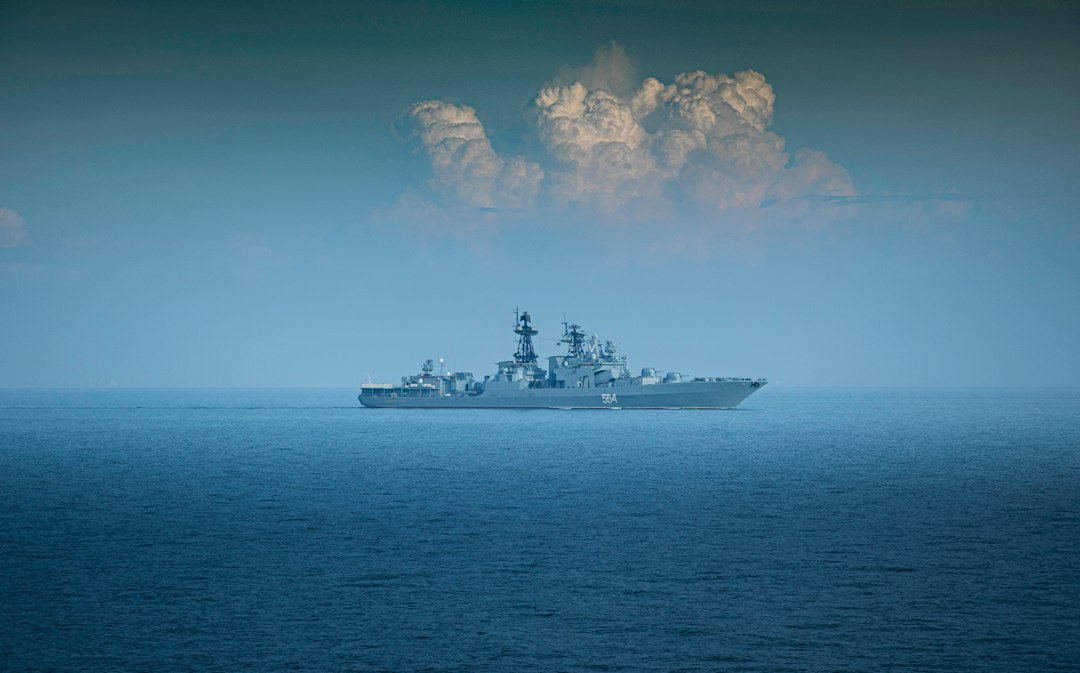
These incidents have raised the stakes for shipping operators transiting critical maritime corridors. The strategic implications of the attacks force shipping companies to reconsider their operational routes and risk assessments, particularly in relation to cargo vessels operating within the conflict zones in both the Black Sea and the Baltic Sea.


The Global Response
Maritime security experts are advising operators to enhance their vigilance and implement stricter risk management protocols. Given the expanding conflict, operators are likely to experience increased war-risk premiums and potential slowdowns due to operational disruptions. Additionally, insurance costs for vessels transiting through affected waters are expected to rise significantly, compelling companies to reassess their logistical strategies across regions.
The Operational Read
The recent escalation of hostilities in maritime zones presents a complex challenge for shipping operators. The sinking of the Russian corvette and concurrent attacks highlight the unpredictable nature of regional conflicts that can impact global supply chains. Crews must navigate these heightened risks on a day-to-day basis, which could lead to increased instances of rerouting and delays. The industry must remain agile, adapting to operational realities such as fluctuating insurance rates and emerging geopolitical tensions as the situation develops.