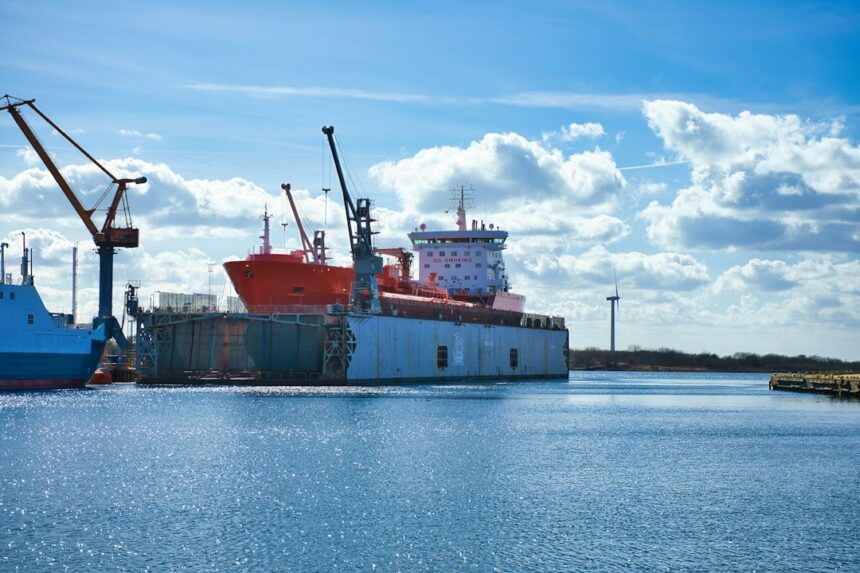
Two U.S.-sanctioned heavy-lift vessels, Glory and Bright, have commenced transporting vital power-generation modules from Zhangjiagang port in China to Novatek’s Arctic LNG 2 project on the Gydan Peninsula in Russia. This movement is notable as it highlights the operational continuity of supply chains linked to the sanctioned liquefied natural gas initiative, despite significant Western attempts to disrupt them.
The Shipment Details
The modules being delivered, identified as 2-PGM-002 and 2-PGM-004, are crucial for the completion of the electrical power system for Arctic LNG 2’s second liquefaction train. This train has been constrained to operate at roughly half of its 6.6 million metric tons per year design capacity due to the unavailability of these modules. The power-generation capacity for the project will be significantly enhanced by the installation of these modules, which are designed to utilize electrically driven equipment leveraging advanced gas turbine technology with a combined output of 482 MW.
The power modules were originally manufactured at Wison’s Zhoushan facility, which has since been sanctioned by the U.S. government for its role in supporting Arctic LNG 2. Despite the sanctions, the continued transport of these modules indicates a robust logistical alliance between Chinese heavy-industry suppliers and the Russian project.

Background and Implications
The shipment’s journey began recently, following the earlier departure of the first two power-generation modules in 2024, which highlighted the prolonged logistical efforts involved in this strategic project. The sanctions imposed in January 2025 by the Biden administration targeted both Wison Zhoushan and other entities tied to the project, marking a significant intensification of penalties against Russian energy development.
Following extensive delays, the completion and delivery of the remaining modules is pivotal to Novatek’s operational goals. By connecting the modules through various intermediary ports, the project can regain momentum necessary for optimizing its operations in a challenging geopolitical climate.
Behind the Headline
The successful transport of modules PGM 2 and PGM 4 underscores the resilience of logistics networks connecting key energy projects with their international suppliers, even under sanctions. For operators, this means increased pressure to ensure compliance while maximizing operational throughput. The enhanced capacity at Arctic LNG 2 could serve as a vital step in Russia’s broader energy strategy. As the project prepares to utilize these new power modules, industry stakeholders should monitor how geopolitical tensions will continue to shape operations and supply chains in the Arctic region.