Update 09 Jul 2026, 22:34 UTC:
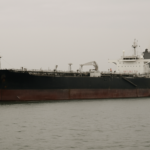
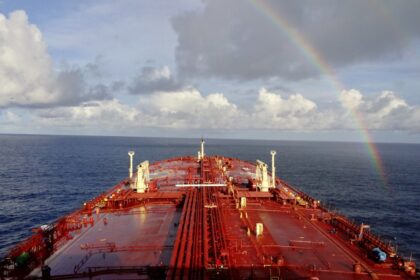
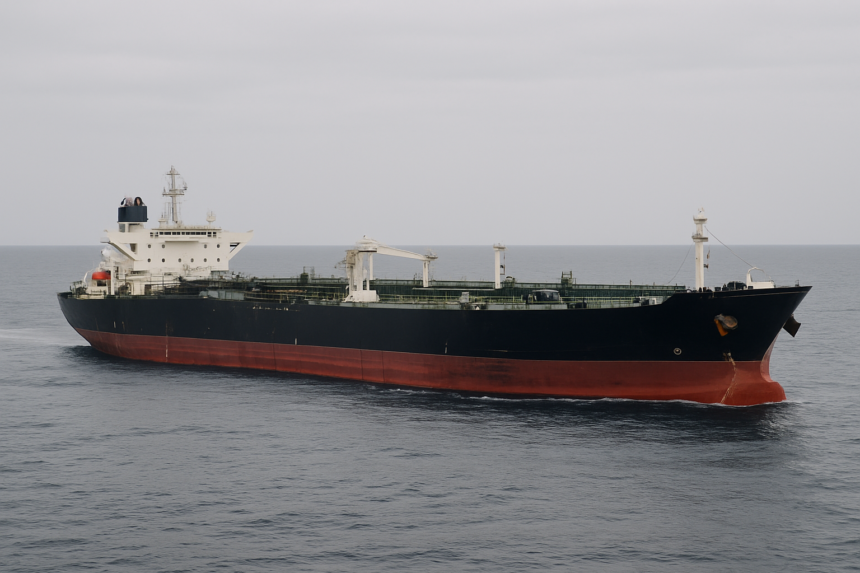
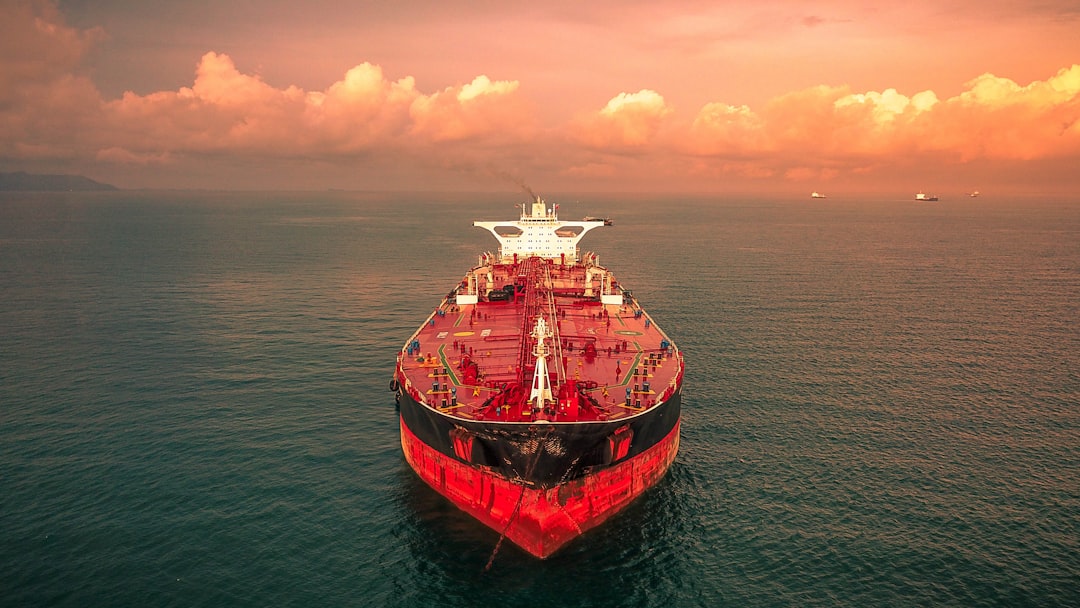
In a historic surge, crude tanker newbuilding contracting has reached an unprecedented 60 million deadweight tonnes (DWT) in 2026, as reported by BIMCO. This figure is based on contracts for 234 ships, driven by a notable increase in orders for Very Large Crude Carriers (VLCCs), which currently account for a significant majority of the contracted capacity.
The Current Landscape of Crude Tanker Orders
Filipe Gouveia, Shipping Analysis Manager at BIMCO, notes that this year alone has seen orders for 151 VLCCs, which is more than double the total from 2025. This demand has largely been fueled by high freight rates and the necessity to replace an aging fleet. Currently, the average age of tankers in operation is about 14 years, with 22% of the fleet exceeding the typical 20-year operational life.


The total crude tanker order book has hit a record high of 130 million DWT, representing 27% of the current fleet. With deliveries scheduled through 2030, a gradual increase in tanker capacity is anticipated, marking a notable shift from the previous three years, during which annual deliveries averaged less than 10 million DWT.
Market Dynamics and Future Outlook
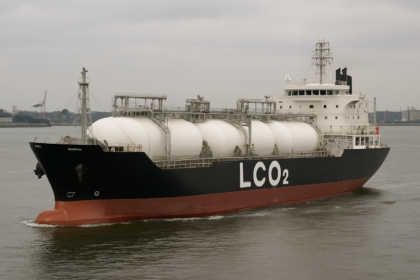
Despite the substantial upturn in orders, only 2% of the new contracts are expected to utilize alternative fuels such as LNG, with another 17% designed for future retrofitting. This indicates a slowdown in the transition toward more environmentally friendly shipping solutions compared to the wider order book, where 9% is slated for alternative fuels and 30% is retrofittable.
Chinese shipyards dominate the current market, having secured 82% of the contracted capacity in 2026. The competitive landscape features Chinese facilities accounting for 70% of the overall order book, with South Korean yards capturing an additional 25%, primarily focused on the suezmax segment.
Challenges Ahead
Looking ahead, market analysts project a potential slowdown in crude tanker newbuilding contracts. The extensive order book, paired with significant lead times—where new vessels could take two to four years to be delivered—adds to the uncertainty. Additionally, ongoing instability in key transit routes, such as the Strait of Hormuz, further complicates the outlook for crude tankers, necessitating careful observation from operators and stakeholders in the shipping industry.
Behind the Headline
The current surge in crude tanker contracting reflects an urgent need within the industry to renew an aging fleet while capitalizing on high freight rates. As shipping operators and charterers strategize for the future, the significant portion of contracted vessels remains reliant on conventional fuels, indicating a slower transition to more sustainable practices in shipping. Market participants should brace for the potential impact of prolonged uncertainties surrounding global oil transit conditions and high order backlogs, all of which could influence operational strategies and fleet management in the coming years.