Update 02 Nov 2026, 18:34 UTC:
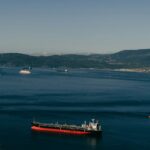
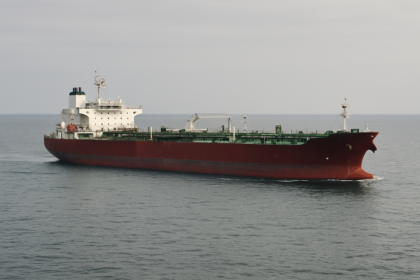
Recent attacks on commercial shipping in and around the Strait of Hormuz have heightened security concerns for maritime operations in the region. A tanker was struck late Sunday by two unidentified projectiles while traveling southeast in the Persian Gulf, approximately 72 nautical miles east of Ras Al Khafji, Saudi Arabia. The incident occurred at 2347 UTC on November 1, according to the UK Maritime Trade Operations (UKMTO). Fortunately, all crew members were accounted for, and no environmental damage was reported, though details regarding the vessel’s identity and the extent of damage remain undisclosed.
The Series of Attacks
This incident contributes to a troubling pattern of violence against commercial vessels in the Arabian Gulf and the Strait of Hormuz. Earlier on the same day, a Mayday call was reported by the captain of a merchant vessel, indicating another ship had been affected by an unknown projectile. The specifics regarding this incident, including the vessel’s identity and crew condition, remain unclear, underscoring the unpredictable environment for commercial shipping.

Adding to this alarming trend, on October 29, the Royal Navy of Oman evacuated 25 crew members from the Panama-flagged tanker RITI after it was attacked near Khasab, Oman. This attack resulted in a small onboard fire and the vessel losing propulsion. The incident highlights vulnerabilities faced by operators in one of the world’s most vital maritime chokepoints.
Impact on LNG Operations
The violence has also impacted liquefied natural gas (LNG) operations. Nakilat, Qatar’s state-owned LNG shipping company, reported that its carrier AL MAYEDA was struck by unidentified objects on October 30 while navigating approximately 40 nautical miles south of Iran’s Lavan Island. Though a fire was reported onboard, Nakilat confirmed there were no injuries and the vessel remains operational. In response to the increasing threats, Qatar’s Ministry of Foreign Affairs issued a strong condemnation, calling the attacks a serious threat to both maritime navigation and global energy security.
This unrest is poised to impact not only shipping routes but also the broader energy market, as regional stability is critical for the unimpeded flow of oil and gas. Analysts will be closely monitoring how operators adjust their routes and security protocols in light of these formidable risks.
Behind the Headline
The recent incidents in the Strait of Hormuz reveal the escalating risks associated with commercial shipping in this strategically vital area. Operators must navigate heightened threats, potentially leading to increased war-risk premiums and tighter security measures. The regulatory implications may also prompt insurance adjustments, impacting charterers and freight rates. Stakeholders should remain vigilant as tensions persist, and upcoming responses from regional governments and maritime authorities will be pivotal in determining the future security landscape in the Arabian Gulf.