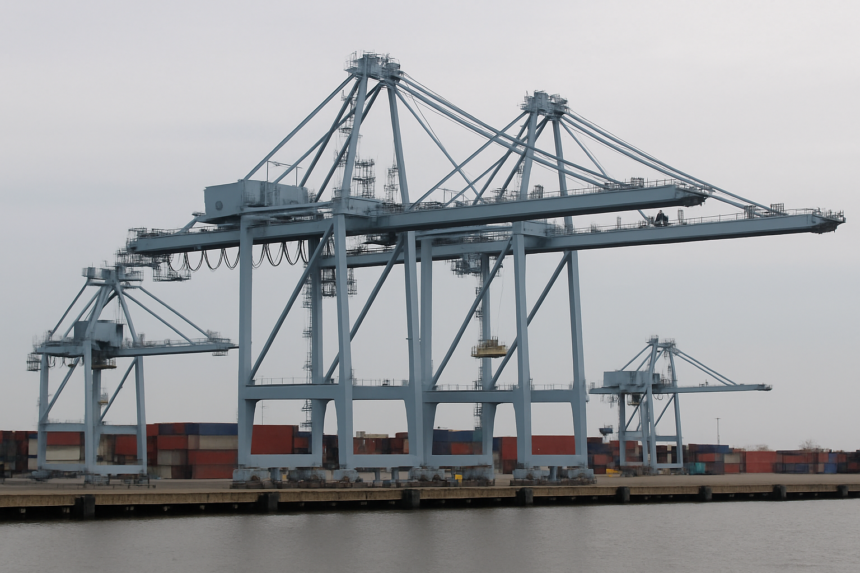
The maritime infrastructure sector is currently experiencing one of its most significant investment cycles, with ports expanding terminals and shipyards modernizing dry docks. Public and private capital is pouring into initiatives aimed at improving capacity, resilience, and supply chain efficiency in the face of heightened global competition.
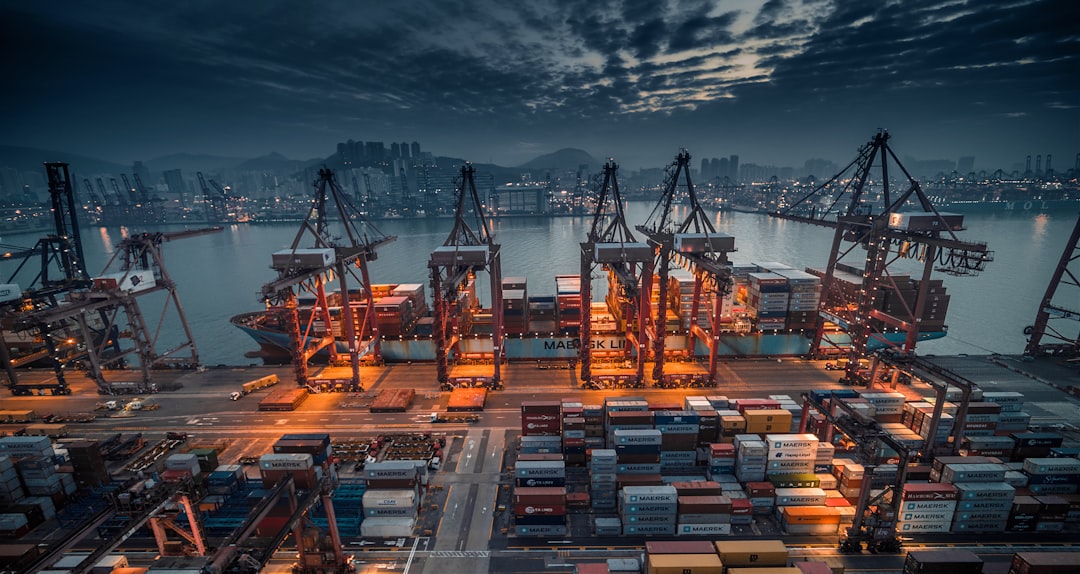
Identifying Hidden Risks
However, this rapid development is fraught with hidden risks that may not be immediately apparent. Projects often occur in active environments, which involves operating heavy machinery and construction crews alongside ongoing vessel traffic, cargo operations, and other logistics. This complexity necessitates a keen understanding of the underlying risks that can negatively affect project cost, timelines, and long-term operational stability.
One of the primary challenges is the management of subsurface conditions. As construction begins, issues such as unstable soils or contaminated sediments often surface, revealing that significant environmental legacies can lie beneath the waterline and impact operational viability. Early identification and assessment of these conditions are crucial to prevent escalating remediation costs and unforeseen delays.

The Role of Climate Resilience
In addition to subsurface challenges, climate resilience is becoming a primary focus for insurers and investors involved in maritime infrastructure projects. The evolving climate landscape has introduced heightened scrutiny regarding flood exposure, storm surge vulnerability, and drainage capacities. Project owners must now emphasize flood modeling, secondary exposure assessments, and equipment elevation among other factors.
This scrutiny places pressure on facility operators to ensure that resilience measures do not only comply with existing engineering standards but also adapt to future environmental changes. Failure to adequately plan for long-term resilience could hinder access to insurance and financing, which are vital for ongoing operations and future projects.
Technological Vulnerabilities in Modern Operations
Furthermore, increased reliance on interconnected operational technology adds layers of vulnerability that must be addressed. Modern ports and terminals utilize advanced technology for cargo handling and management, creating dependencies that can be susceptible to disruptions from cyber threats or operational failures. It is essential for operators to implement robust contingency plans that address these technological vulnerabilities to maintain continuous operations and protect assets.
In conclusion, while the influx of investment in maritime infrastructure presents promising opportunities for growth, the potential hidden risks—ranging from subsurface challenges to climate resilience requirements and technology vulnerabilities—must be carefully managed to ensure successful project execution and long-term operational viability.
Behind the Headline
The current investment wave in maritime infrastructure highlights the critical need for project stakeholders to obtain comprehensive assessments of hidden risks embedded within active construction environments. Operators must develop detailed risk management strategies that integrate factors such as subsurface conditions, climate-related challenges, and technological dependencies. The effective identification of these risks will not only safeguard project outcomes but also enhance the insurability and financing options available to maritime operators. Ongoing monitoring and adaptation to changing conditions will be essential in maintaining competitive edge within this rapidly evolving sector.