Orders for alternative-fuel vessels in the global shipping industry have shown a modest increase, with 36 vessels ordered in May 2026. However, this rate remains significantly below the pace recorded last year, indicating a more cautious and diversified investment approach among shipowners as they navigate evolving regulatory landscapes.
Current Market Overview
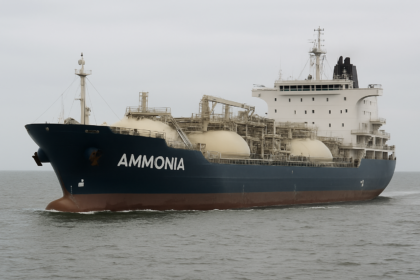
According to recent data from DNV’s Alternative Fuels Insight (AFI) platform, the cumulative total of alternative-fuel vessel orders for 2026 now stands at 119. The majority of new orders in May were concentrated within the LPG and ethane carrier sectors, which accounted for 26 of the month’s total. Additionally, eight LNG-fuelled vessels were ordered, comprising six containerships and two car carriers, alongside two ethanol-fuelled bulk carriers.
Trends in Vessel Orders
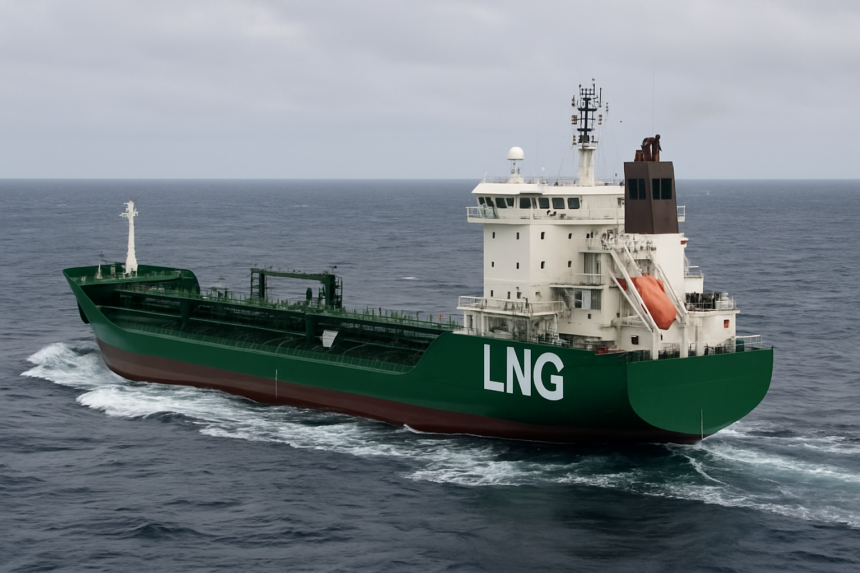
As of May, LNG continues to dominate alternative-fuel contracting, with 60 of the 119 total vessels ordered this year relying on this fuel source. Container shipping is the primary driver of this demand, with 42 LNG-fuelled vessels ordered, closely followed by 12 vehicle carriers. In contrast, orders for methanol, ammonia, and hydrogen fuels remain relatively low, reflecting a cautious stance on less proven fuel technologies.

Despite the consistency in alternative-fuel orders, DNV noted that the overall share of these vessels within total contracted tonnage has decreased compared to the same period in 2025. This reflects a backdrop of regulatory uncertainty that shipowners are currently facing. Jason Stefanatos, Global Decarbonization Director at DNV Maritime, emphasized that while contracting for alternative-fuel vessels remains active, shipowners are opting for a more strategic portfolio approach to their fuel choices.
Strategic Responses by Shipowners
Stefanatos highlighted a shift in ordering patterns, noting that while the container segment historically leads in alternative-fuel adoption, there is a noticeable move towards smaller vessels, with fewer large container ships being ordered. Simultaneously, there is heightened activity observed within the tanker and bulker segments.
Shipowners are increasingly hesitant to commit to a single-fuel strategy in their fleet deployments, instead managing investments with an eye towards future emissions regulations and fuel economics. This shift towards diversified fuel strategies enables operators to remain flexible in their operational approaches and better adapt to market changes and regulatory developments.
Why It Matters
The development in alternative-fuel vessel orders reflects a significant trend in the shipping industry’s approach to decarbonization, illustrating a move towards mitigating risk associated with fuel investments. With regulatory frameworks continually evolving, shipowners are prioritizing flexibility by ordering vessels capable of operating across various fuel types. This strategic pivot allows operators to better navigate the complexities of future regulations while positioning their fleets for success in a rapidly changing market environment. Stakeholders should closely monitor how these trends influence pricing, competition, and innovation in the shipping sector.