Oil prices surged on Thursday, reaching their highest levels in nearly a month, as U.S. President Donald Trump announced plans to intensify economic sanctions against Iran amidst a prolonged impasse over the Strait of Hormuz. This geopolitical tension is causing anxiety in the global oil market, leading to increased commodity prices.
Market Reaction
Benchmark Brent crude futures experienced a significant uptick of 2.1%, climbing to $93.57 per barrel, while U.S. West Texas Intermediate crude futures rose 2.0% to $87.56 per barrel. This increase marks the highest crude prices since July 24, reflecting market concerns over potential supply disruptions as discussions between the U.S. and Iran remain stalled.
Geopolitical Implications
President Trump’s announcement emphasized the severity of the impending economic measures, which he described as ‘Economic Warfare and Isolation on an unprecedented scale.’ Although the specifics of the new sanctions remain unclear, they are seen as part of a broader strategy to further isolate Iran economically. Analysts at ING have interpreted these comments as a signal of escalating U.S. efforts to undermine Iranian power in the region.


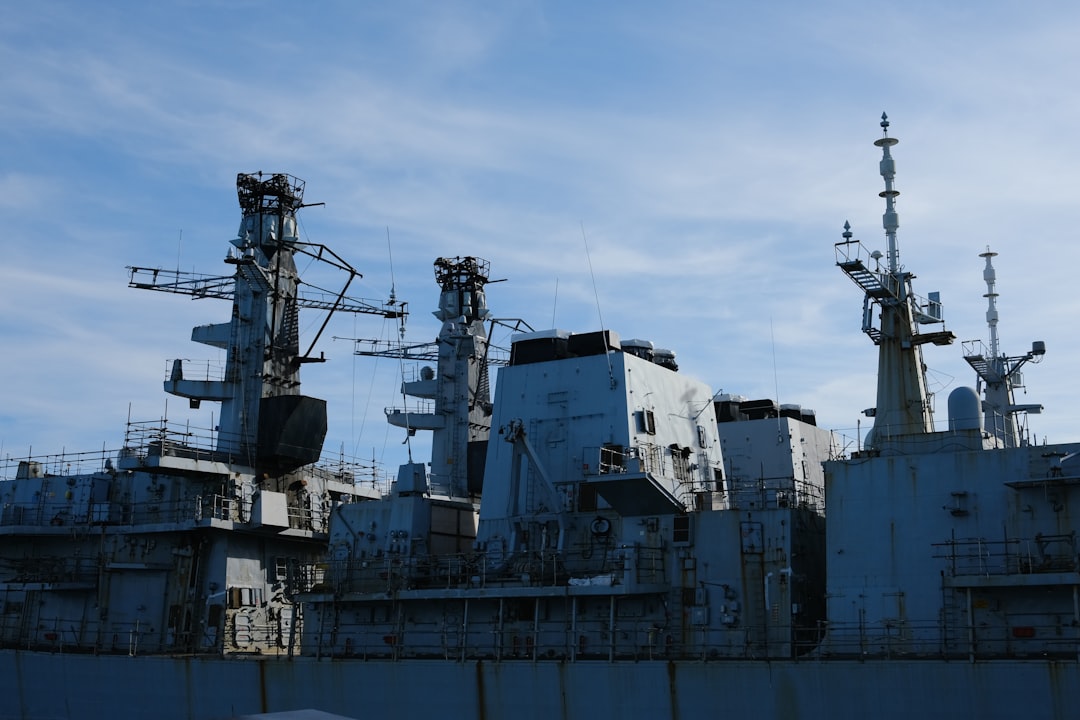
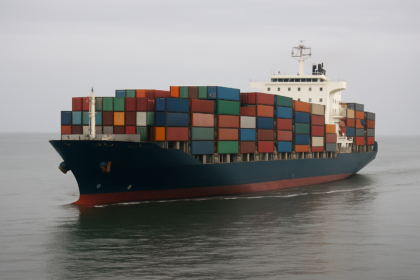
Tehran has countered U.S. actions by effectively blocking the Strait of Hormuz, through which approximately 20% of the world’s oil and liquefied natural gas supplies transit. Recent shipping data indicates that commercial traffic through this crucial chokepoint has diminished significantly, straying far from pre-conflict levels. Despite U.S. assertions of control over the strait, the ongoing military and diplomatic tensions suggest a precarious status for shipping operations in the area.
Future Considerations
Negotiations between the two nations have remained elusive, with Iran demanding U.S. compliance with the terms of a peace agreement established in June before any further discussions on unblocking the strait can take place. The Memorandum of Understanding, which served as an interim framework, lapsed earlier this week, casting doubt on the possibility of immediate resolution and further complicating the geopolitical landscape in the Gulf.
The Operational Read
The current state of affairs indicates a precarious operational environment for maritime stakeholders operating in and around the Strait of Hormuz. Shipping operators are likely to face heightened war-risk premiums and may need to reassess logistical routes in response to increasing geopolitical tensions. The ongoing turmoil necessitates vigilant monitoring of developments, as any escalations could prompt serious disruptions to both oil supply and maritime transit, with implications for global energy markets. Shipping companies should prepare for potential rerouting of vessels and increased compliance requirements as the situation evolves.